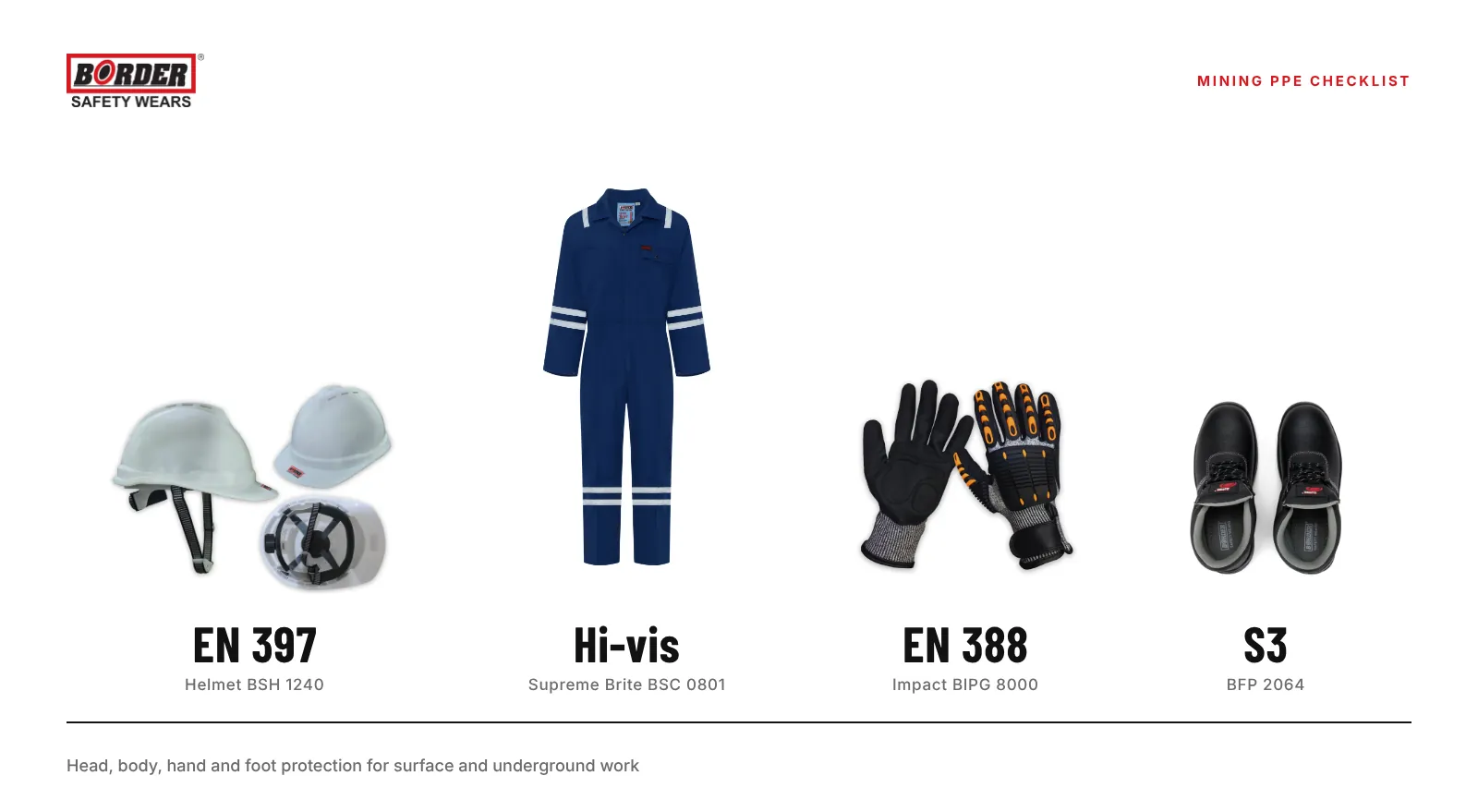
Mining combines almost every workplace hazard in one place: falling rock, heavy mobile equipment, dust, noise, heat, water and work at height. Every mine sets its own PPE rules under the mining safety law of its country, and those rules always come first. This checklist covers the items that appear on nearly every mine's list, for surface and underground work.
The checklist
| Item | What to ask for | Notes |
|---|---|---|
| Safety helmet | EN 397, with a chin strap; lamp bracket for underground | Colour by role is common |
| Safety footwear | EN ISO 20345, S3; safety gumboots (with toe cap) for wet ground | Metatarsal protection where required |
| High-visibility clothing | EN ISO 20471, often Class 2 or 3 | Reflective coveralls or vests |
| Respiratory protection | FFP2 or FFP3 (EN 149), N95 | FFP3 for silica dust |
| Hearing protection | Ear plugs or ear muffs to EN 352 | Drills, crushers, mills, haul trucks |
| Eye protection | EN 166 glasses or sealed goggles | Goggles in heavy dust |
| Gloves | EN 388; impact gloves for drilling and handling | Leather for rock and steel |
| Fall protection | EN 361 harness | Plant maintenance, shafts, conveyors |
Head protection
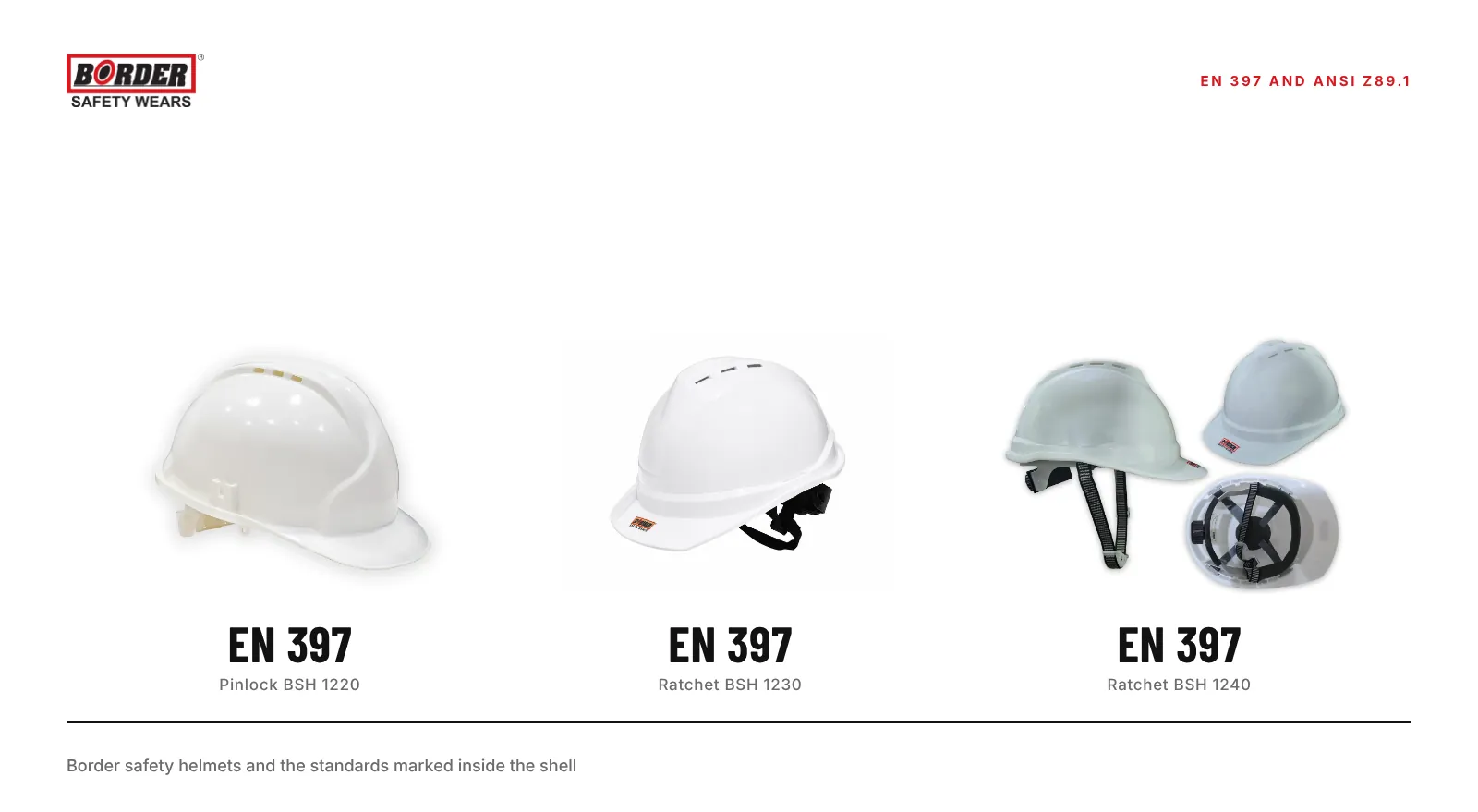
Mines generally require an EN 397 helmet with a ratchet harness and, for underground work, a lamp bracket and cable clip. A chin strap keeps the helmet on when bending, climbing or working at height. The vented BSH 1240 meets EN 397 and ANSI/ISEA Z89.1 and weighs 360 g. Lamp brackets are not standard on every helmet, so tell your supplier if you need them. Our helmet standards guide explains the markings.
Footwear
Surface mines usually require S3 safety boots: steel or composite toe cap, penetration-resistant midsole and a water-resistant upper. The BFP 2064 is certified S3 to EN ISO 20345:2022, with a steel toe cap and steel midsole. Underground and wet processing areas often call for safety gumboots, which must have a toe cap and midsole; an ordinary PVC gumboot is not a safety boot. Our BFP 2900 gumboot is oil and chemical resistant but has no toe cap, so it suits wash bays and wet areas without crush risk only. See the safety shoe ratings guide.
Be seen by the haul trucks
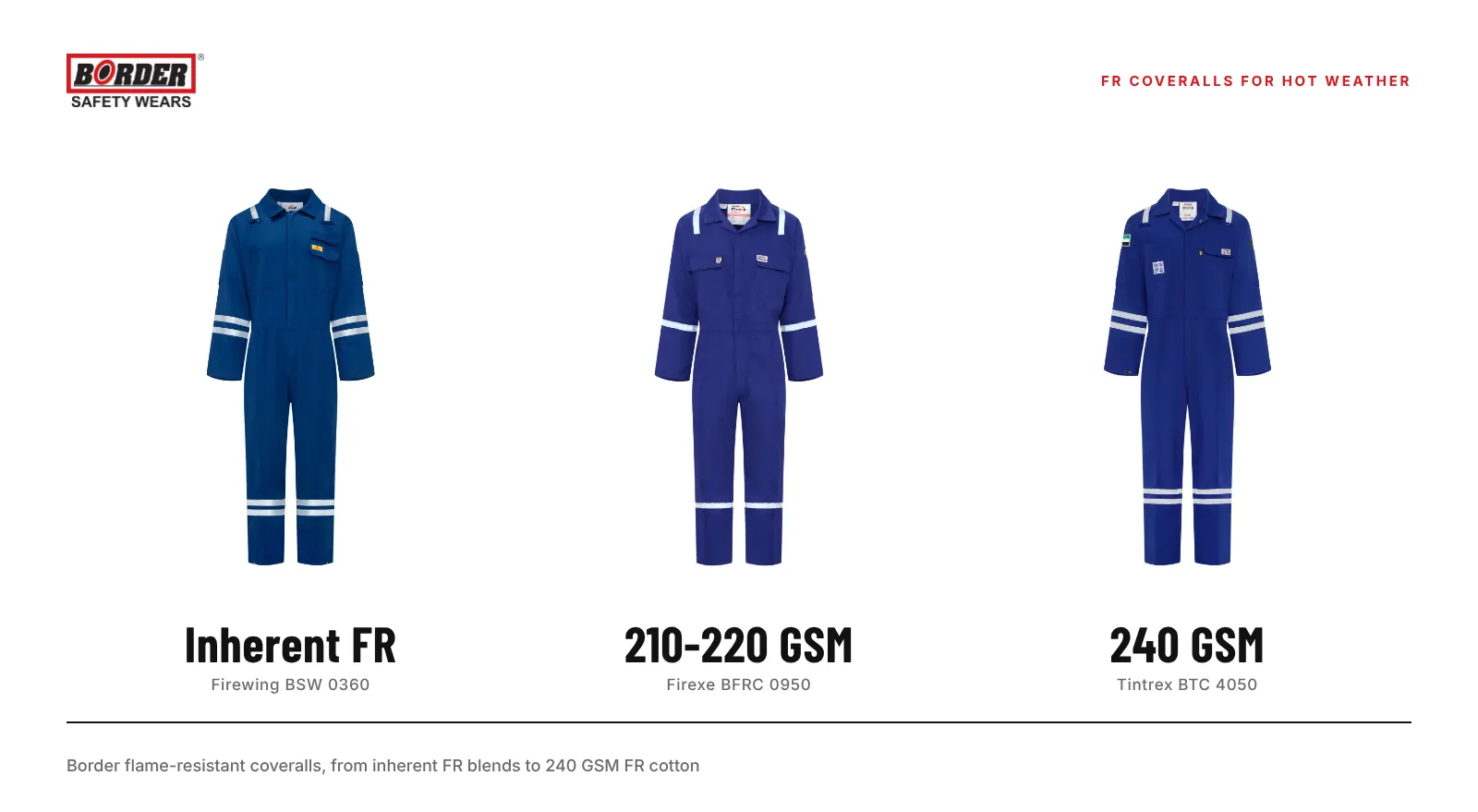
Haul truck drivers sit high and have large blind spots, so visibility is a life-or-death item. Most mines specify reflective coveralls or a reflective vest over workwear. Cotton coveralls with reflective tape, such as the Supreme Brite BSC 0801 (EN ISO 20471 in its product data), do both jobs. Our guide to hi-vis classes explains what Class 2 and Class 3 mean.
Dust and silica
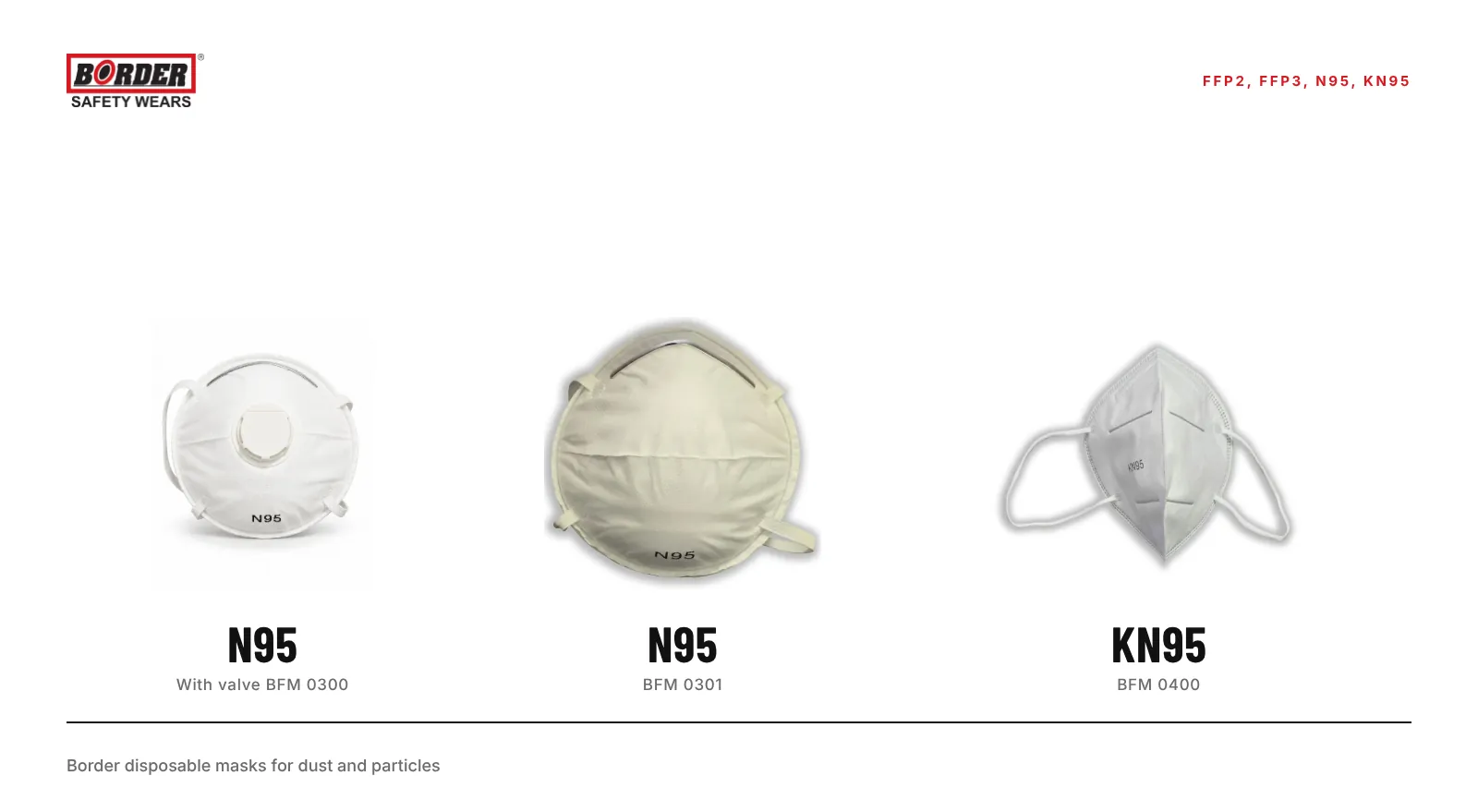
Drilling, blasting, crushing and haul roads produce fine dust, and in many ore bodies that dust contains crystalline silica, which causes silicosis. Dust suppression with water and enclosed cabs come first. For workers exposed, FFP3 is the usual choice for silica; FFP2 or N95 suits general dust. Some mines issue reusable half masks with P3 filters instead. Our FFP2, FFP3 and N95 guide explains the ratings. Masks must fit: beards break the seal.
Noise
Drills, crushers, ball mills and compressors are among the loudest equipment in any industry. Foam ear plugs such as the corded BEP 3011 (SNR 37) are cheap enough to issue daily. Corded plugs are easier to keep track of and less likely to end up in machinery or ore.
Hands
Rock, steel, drill rods and cables wear through gloves quickly. Leather rigger gloves suit general handling. For drilling and heavy handling, impact gloves with back-of-hand protection reduce crush and knuckle injuries: the BIPG 8000 is rated EN 388 4X42C with TPR guards. For wet and oily work, a fully coated nitrile glove keeps hands dry. See our EN 388 guide.
Items that need a specialist supplier
Self-rescuers, gas detectors, cap lamps and mine rescue breathing apparatus are specialist mining equipment certified for that use. Buy them from specialist suppliers and keep them separate from the general PPE order.
How African mines usually buy PPE
Many mines in Ghana, Tanzania, Zambia and elsewhere buy through local suppliers, and local content rules in several countries favour local companies. That is why we supply mines mainly through local distributors and resellers, who hold the registrations and stock near the mine. If you supply mines and want to carry our ranges, read how to become a Border distributor, or see how buying PPE from Dubai works. Country pages: Ghana, Tanzania, Kenya and Nigeria.