Choosing a PPE supplier is not like buying stationery. If the product does not meet the standard, the cost is an injury, a failed audit or a crew turned away at the gate. If the supplier cannot deliver the sizes on time, the project waits. This checklist is for procurement officers, HSE managers and traders who buy PPE in volume in the Gulf and Africa.
1. The standard is on the datasheet
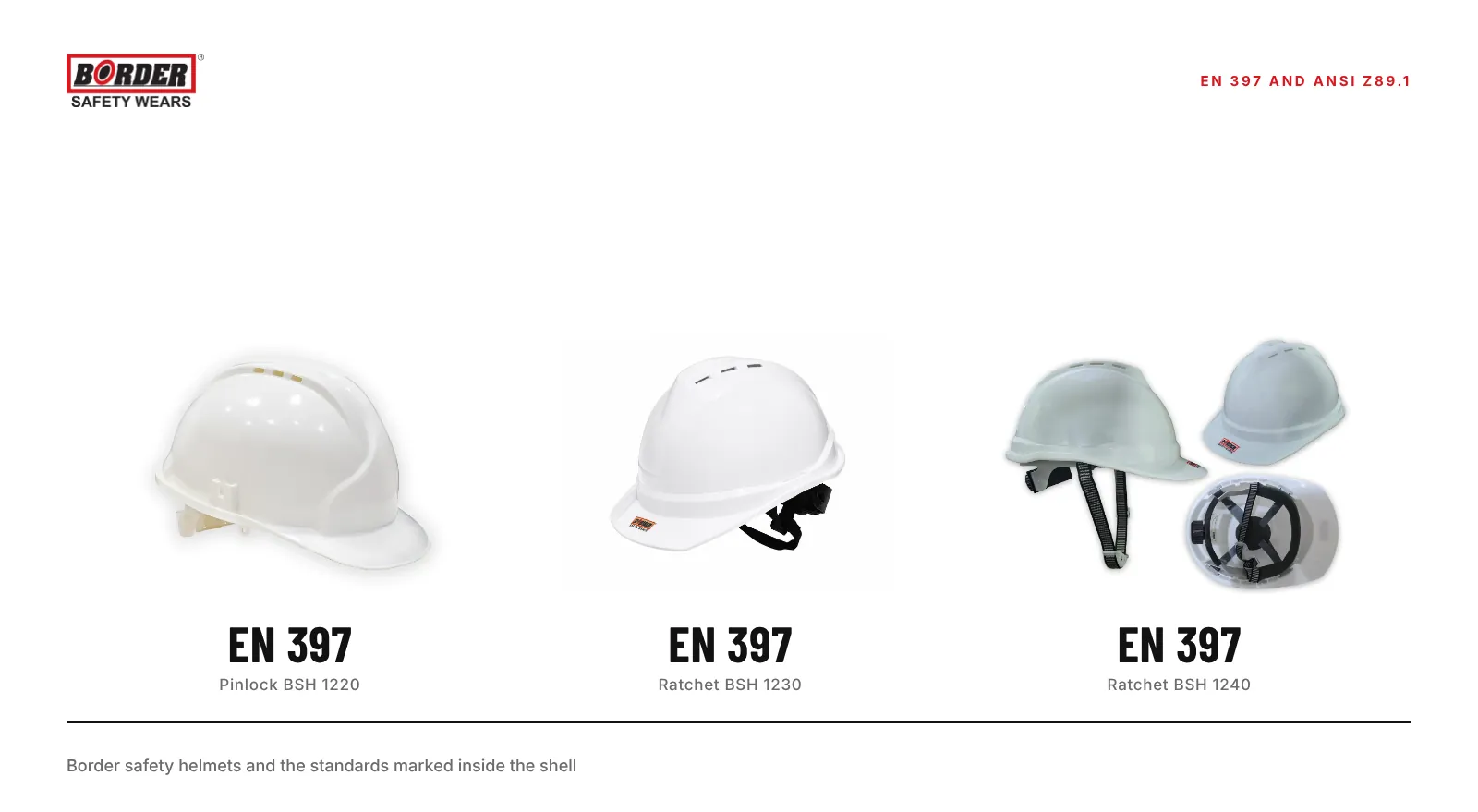
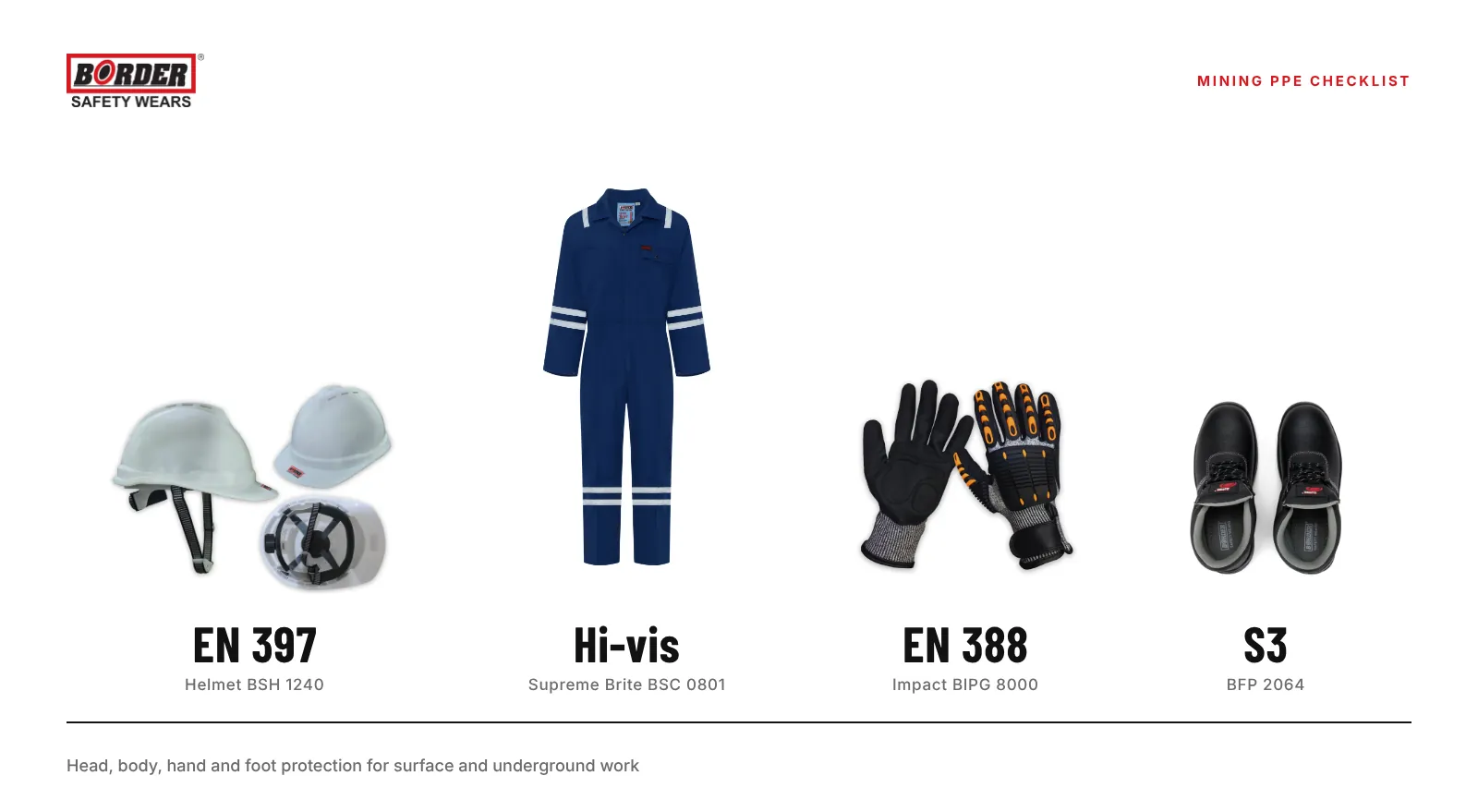
Every serious PPE product has a datasheet that names the standard it meets, such as EN ISO 20345 S3 for safety shoes, EN 388 with its rating code for gloves, EN 397 for helmets, or EN ISO 11612 for FR clothing. If the supplier cannot give you a datasheet, or it only says "high quality", move on.
2. A test report or certificate backs the datasheet
A datasheet is the supplier's claim; a test report or certificate is the evidence. Ask who issued it, check that the product name and model match, and check the date. For higher-risk items such as harnesses, respirators and FR clothing, the European certificate should name a notified body.
3. The marking is on the product
The standard and the performance codes should be on the product itself: inside a helmet, on the tongue of a shoe, on the back of a glove, on the label of a coverall. If the box says EN 388 but the glove does not, ask why.
4. Product codes stay the same
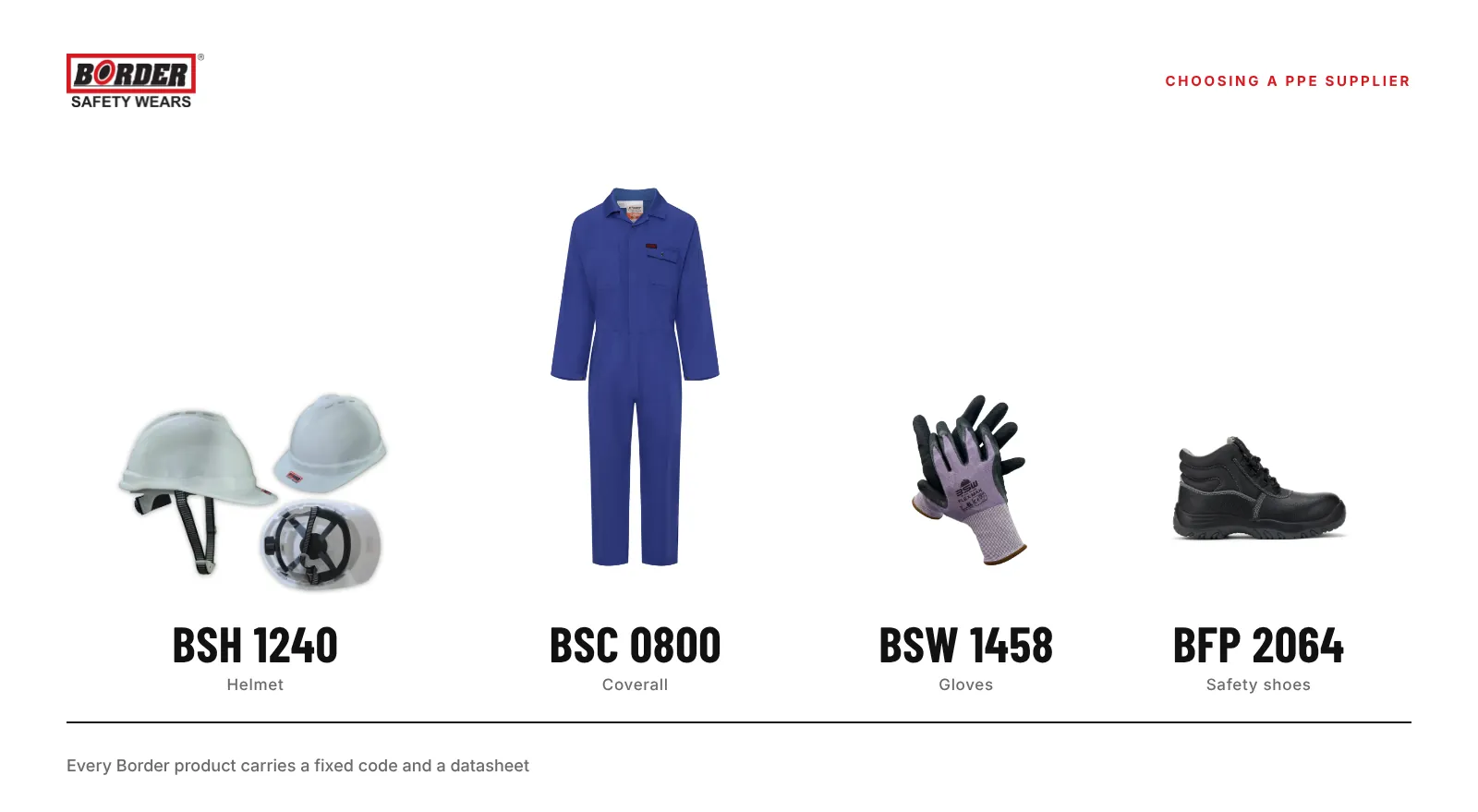
A fixed product code means your next order gets the same product. Suppliers who quote "safety shoes, black" without a code may ship something different each time. Every product on our site has its own code, for example BFP 2064 or BTC 4050.
5. Stock, not promises
Ask what is in stock now and what has to be produced or imported. For a site mobilisation, the difference matters. In the UAE we deliver stock items within 24 hours; for other countries, the lead time should be confirmed on the quotation, not left open.
6. The full size range
A supplier who has size 42 shoes but not 46, or coveralls in L but not 3XL, will leave part of your crew unprotected. Check the size range on each line before you order. Our coveralls such as the Supreme BSC 0800 run from S to 6XL.
7. Samples before large orders
For a new product or a large order, ask for samples. Let the workers who will wear them try them: comfort decides whether PPE is worn properly.
8. Documents for import and audits
If you import, check that the supplier provides a commercial invoice, packing list and certificate of origin, plus the datasheets and test reports your clearing agent or conformity programme needs. See how buying PPE from Dubai works for African imports.
9. Custom work done properly
Company logos and colours on coveralls and vests are common requests. Ask how the logo is applied, whether it affects the certification (logos must not cover reflective tape, and FR garments need FR-compatible printing or badges), and how long it adds to the lead time.
10. Signs of fake or substandard PPE
- Prices far below the market for a certified product.
- No test report, or a report for a different product or company.
- Misspelled standards or markings, or markings printed on the box but not on the product.
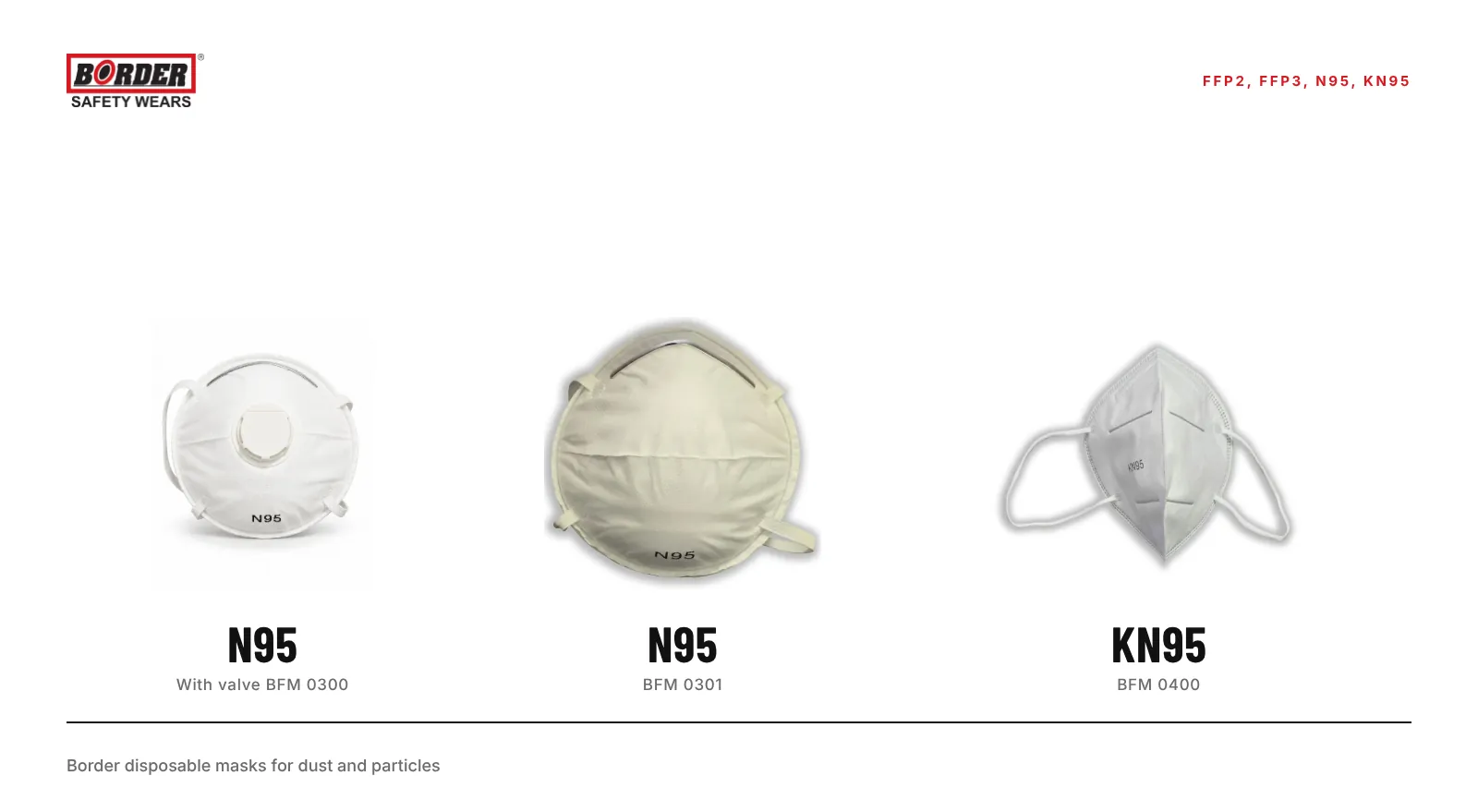
- N95 masks with no NIOSH approval number, or KN95 masks without the GB 2626 marking.
11. Someone answers after the sale
Ask how the supplier handles wrong sizes, defects and replacements. A supplier with a showroom and a sales desk you can call is easier to deal with than a phone number on a trading platform.
12. Price per use, not price per piece
A cheaper glove that lasts one shift can cost more than a better one that lasts a week. Compare cost per wear, and include the cost of a failed audit or a stopped job.
About us
Border Safety Wears has supplied PPE from Dubai since 2006, under our own brands Border, BSW and TopSafe, with datasheets on every product page and a showroom in Deira. Browse all products, read our guides to safety shoe ratings and glove ratings, or send your list for a quotation.