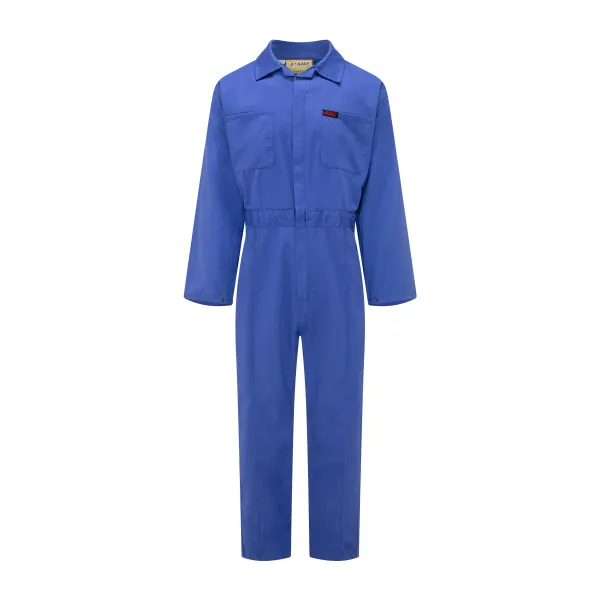
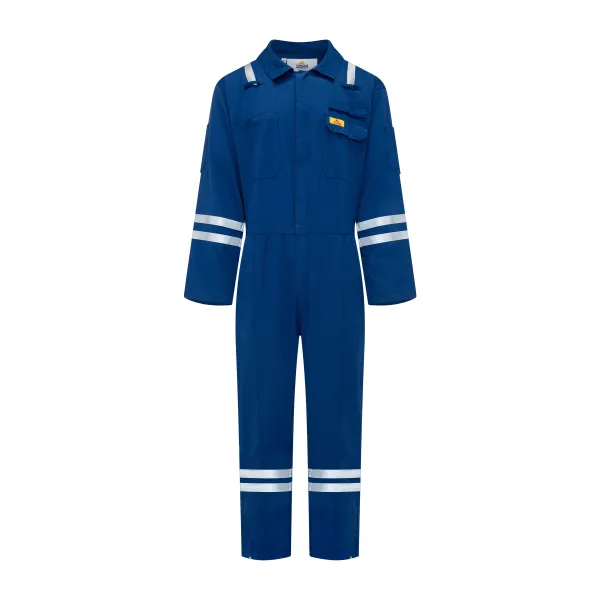
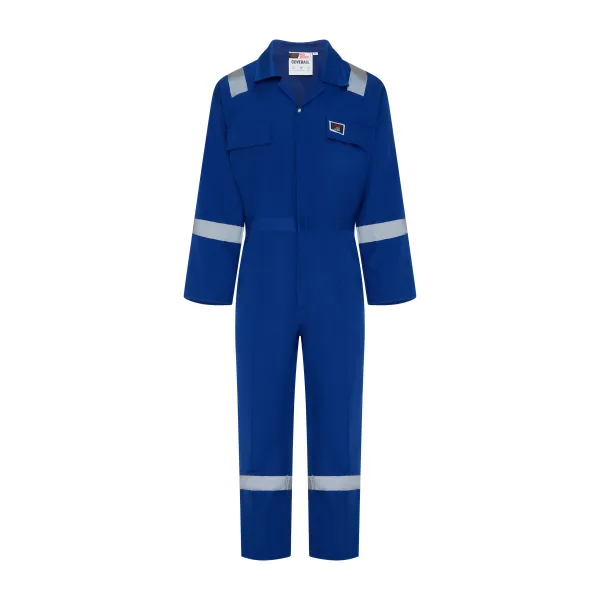
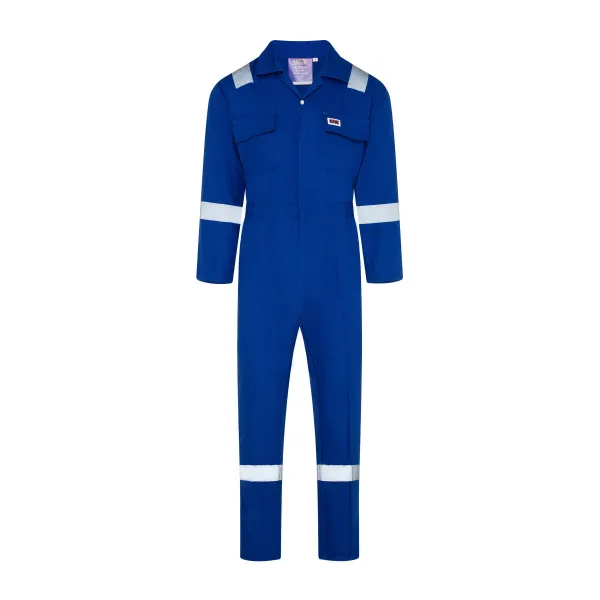
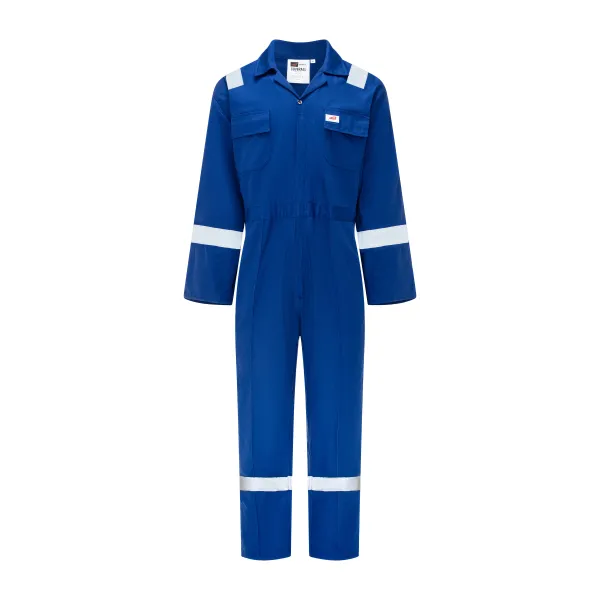
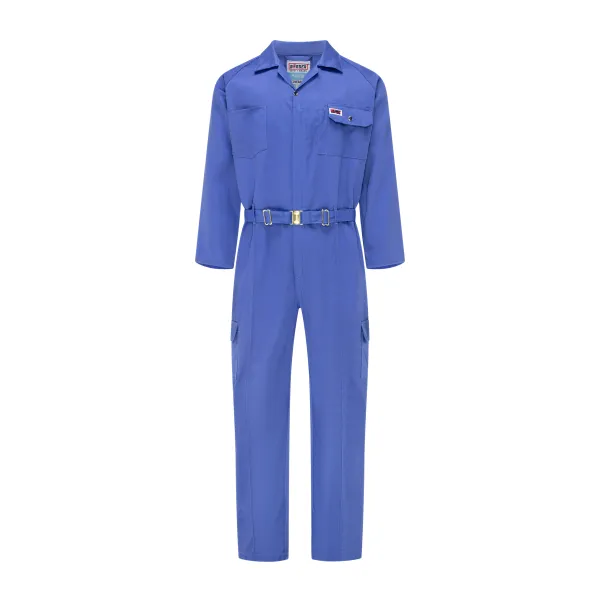
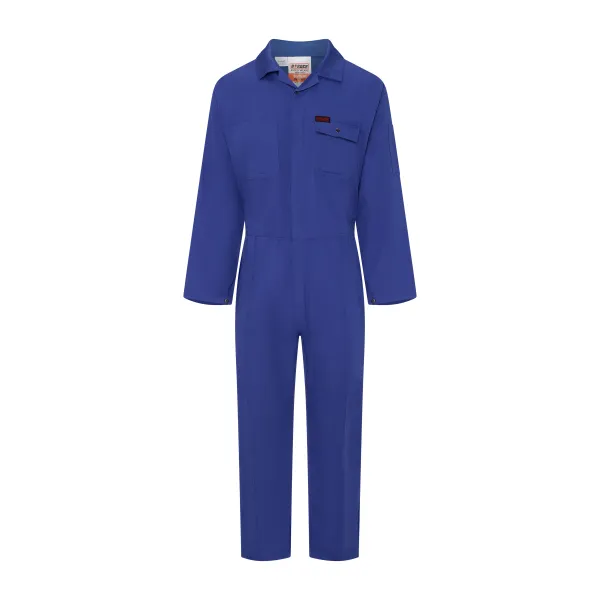
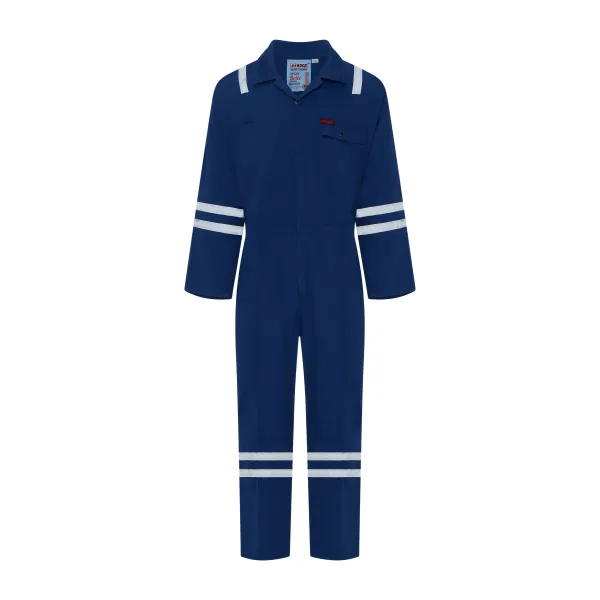
What is Tintrex Coverall BTC 4050 used for?
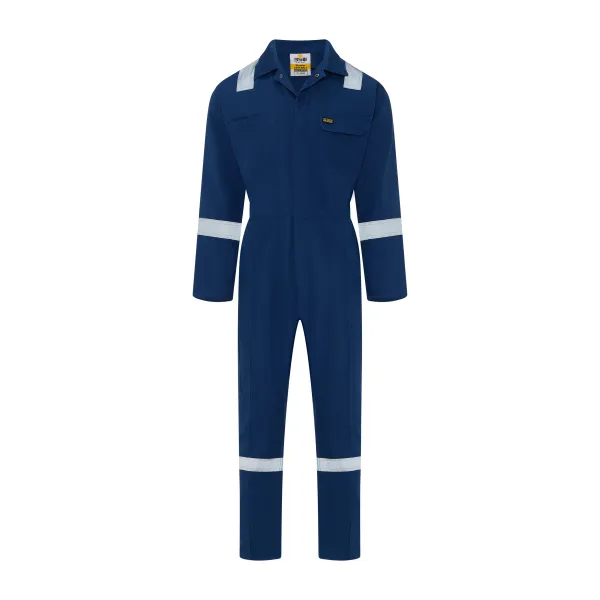
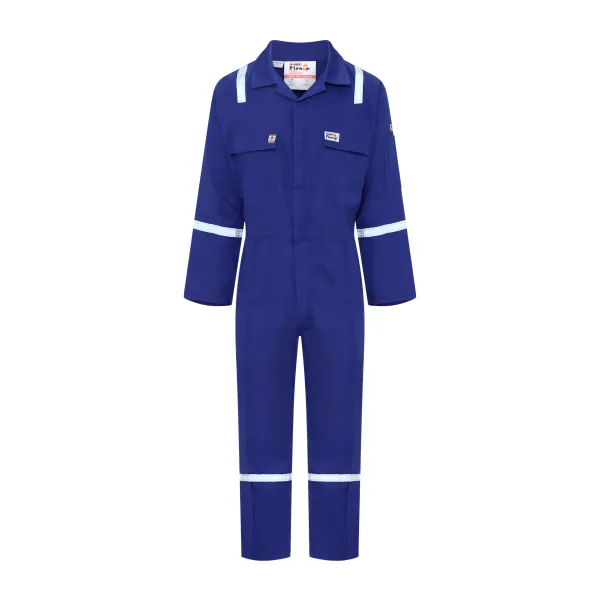
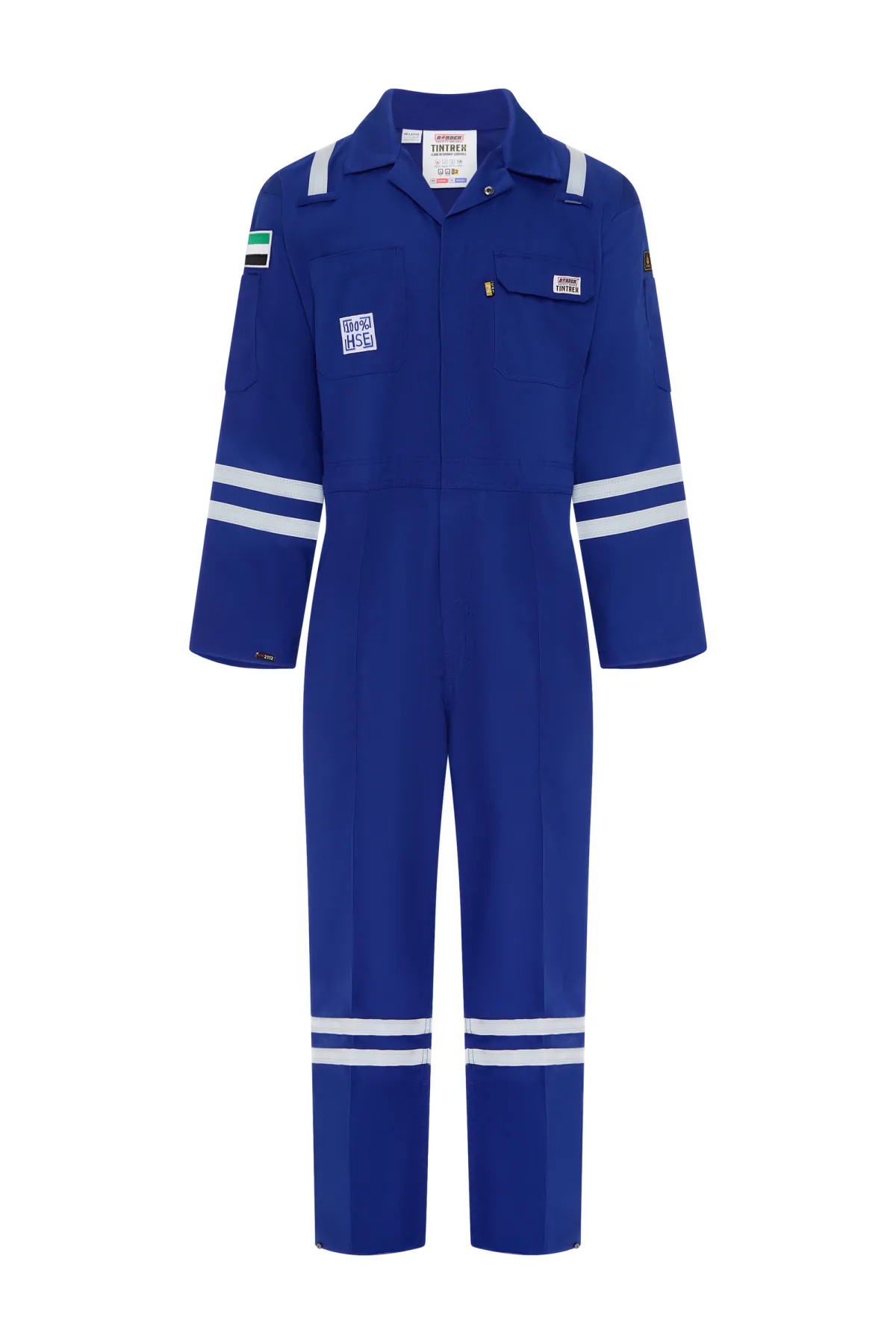
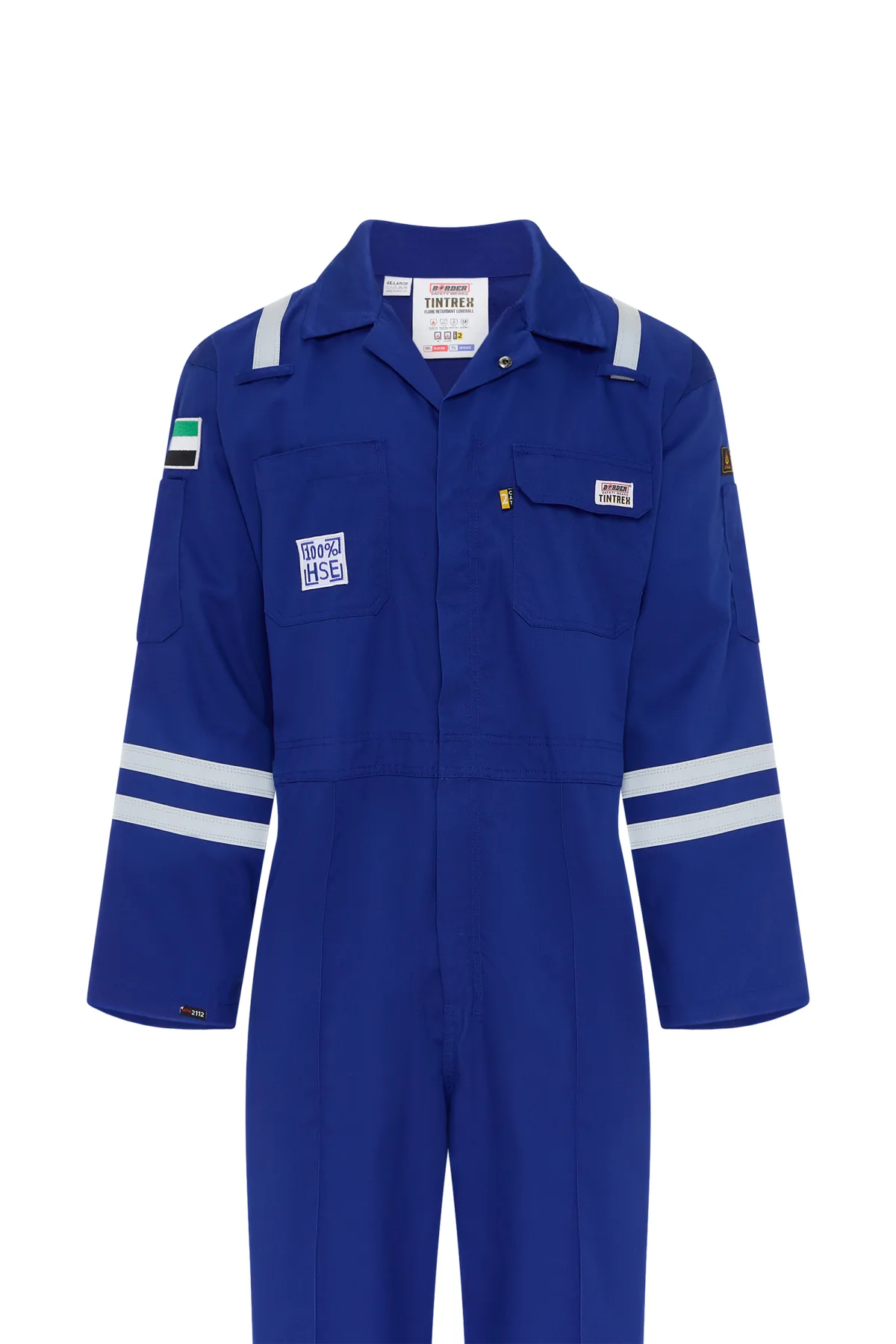
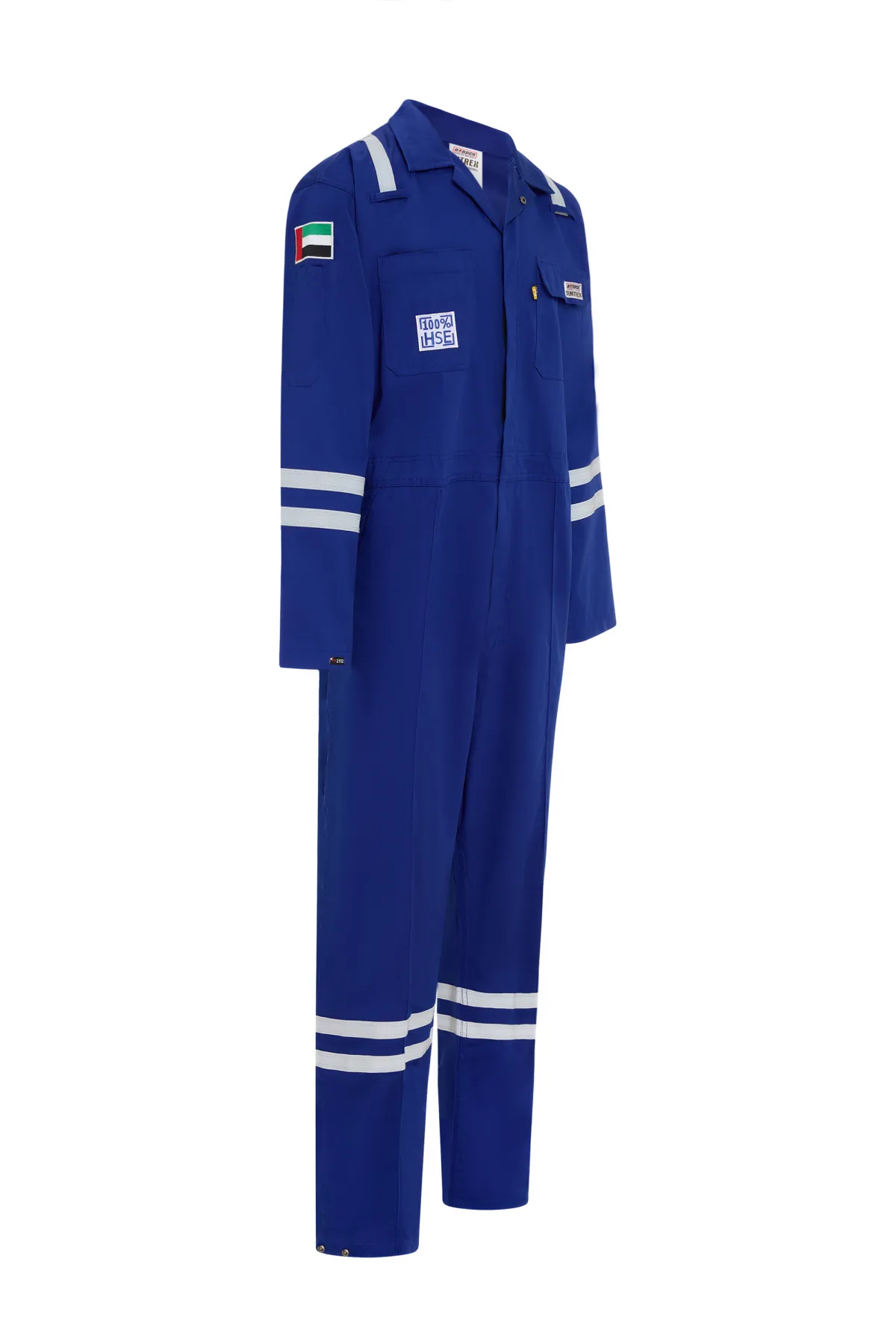
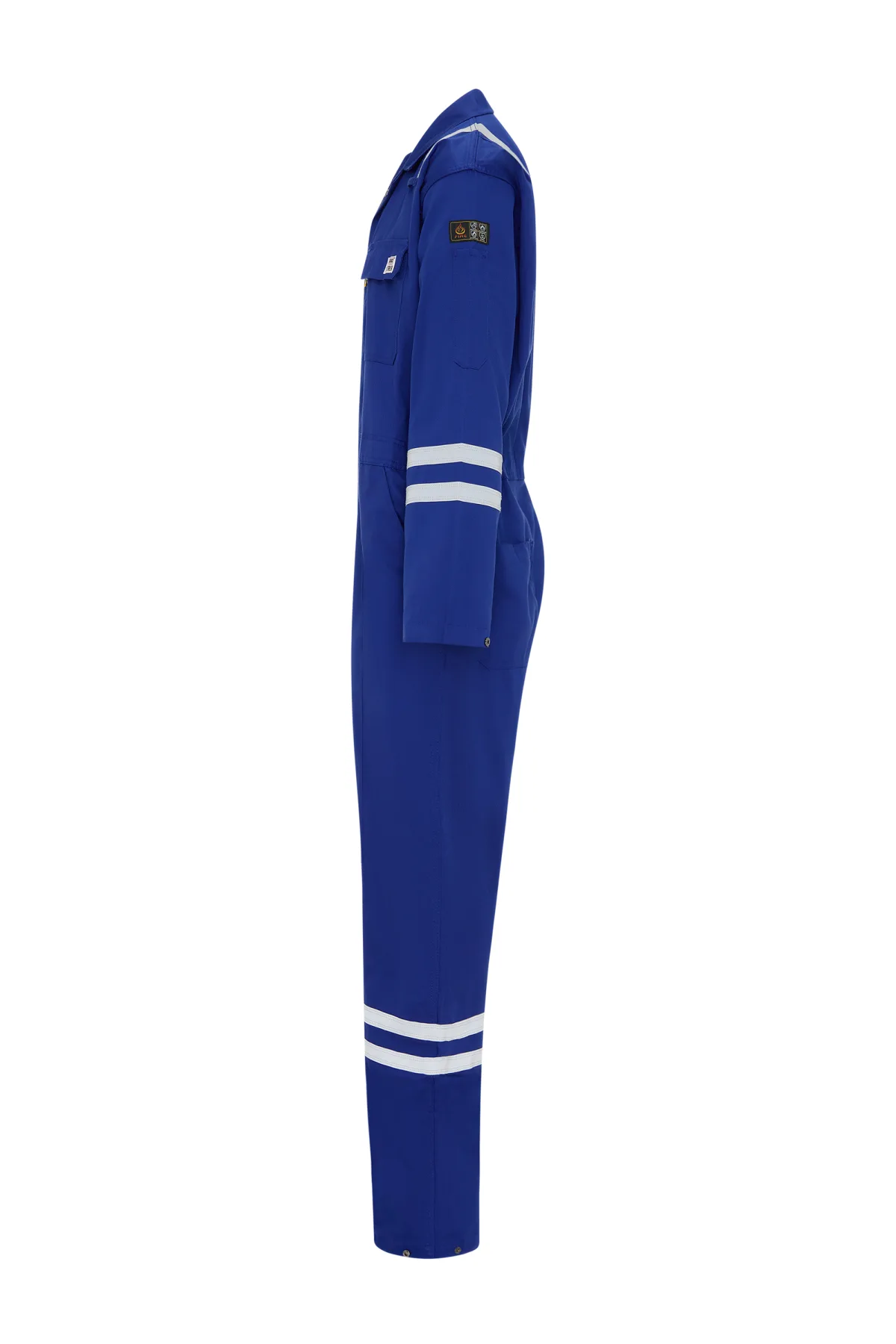
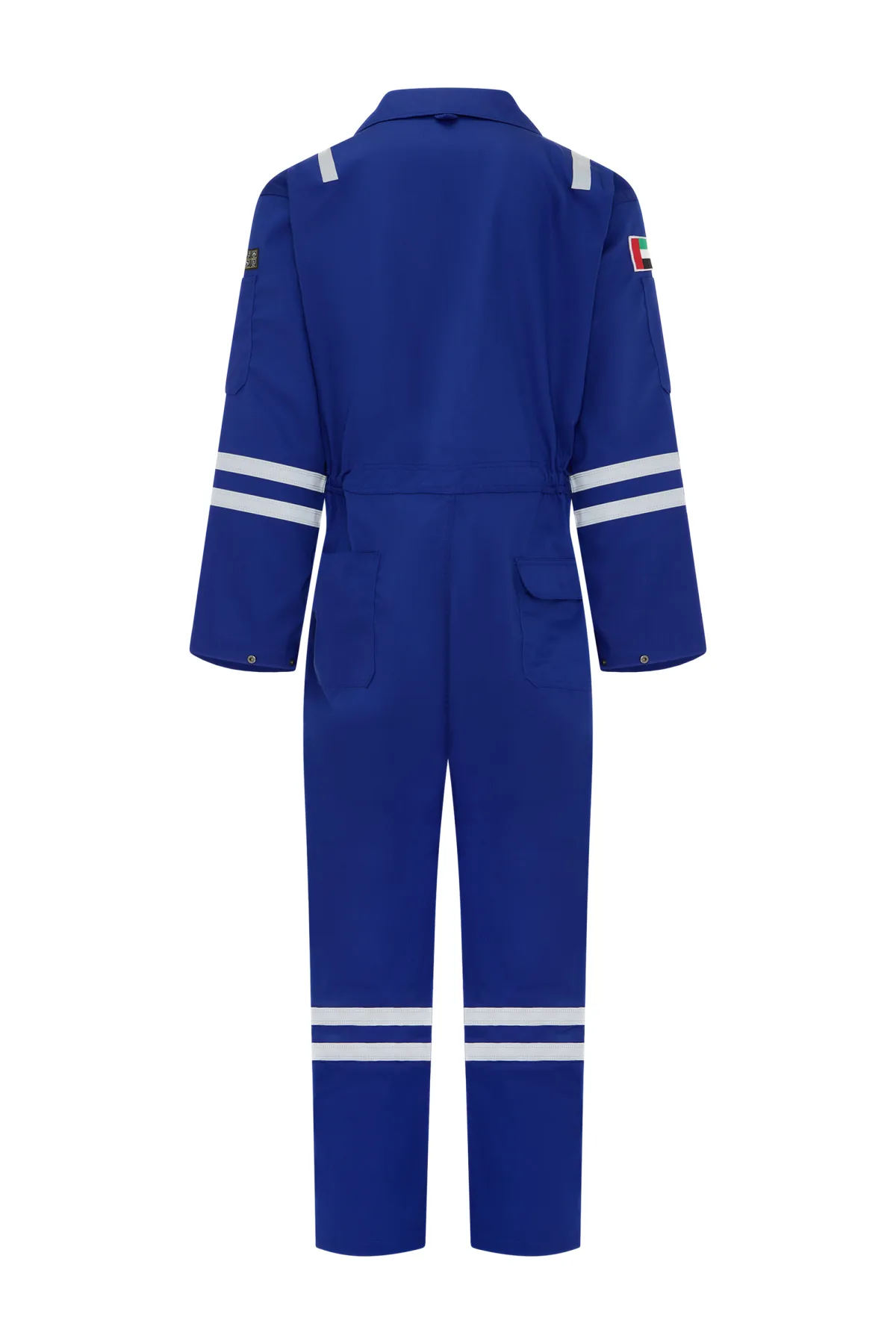
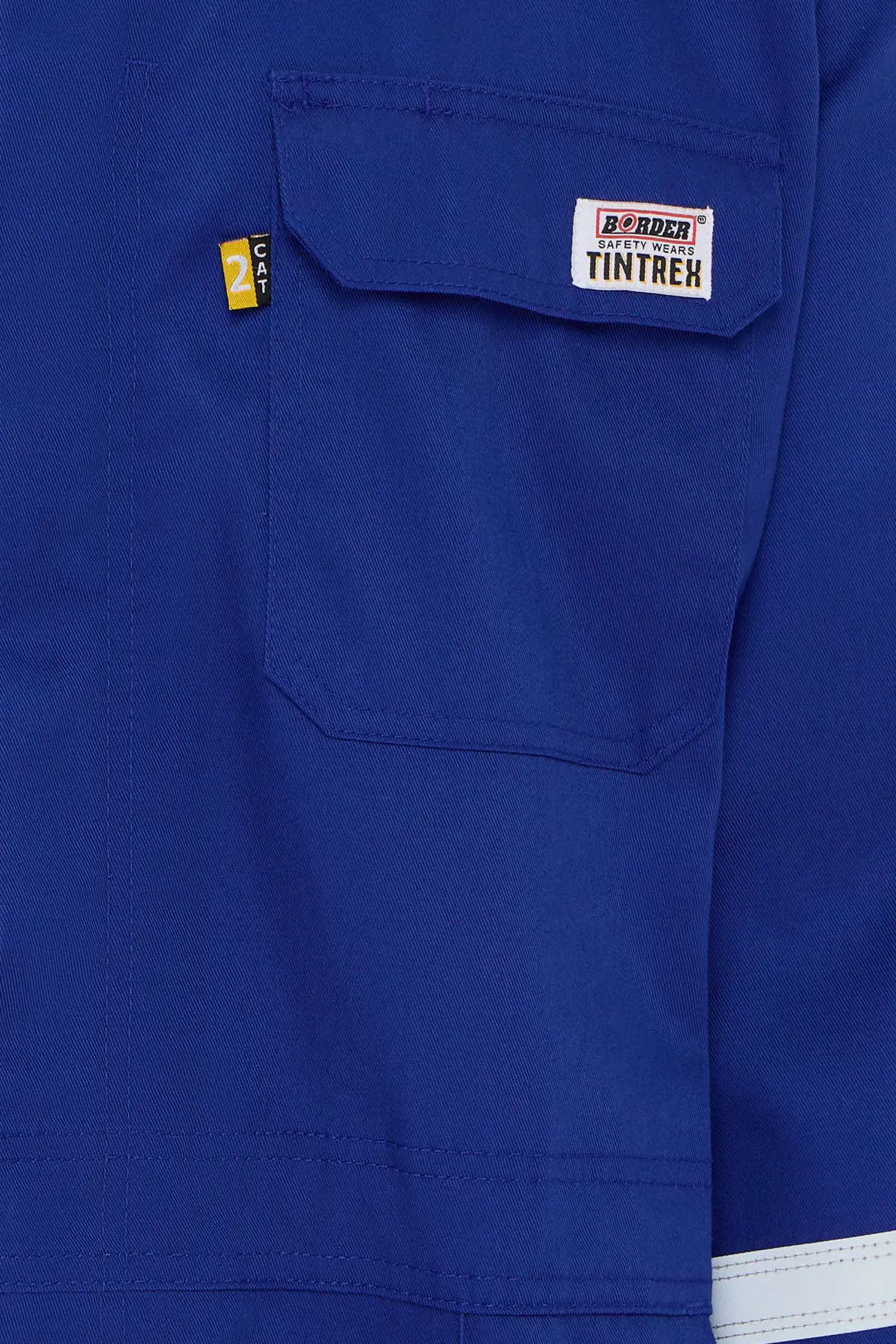
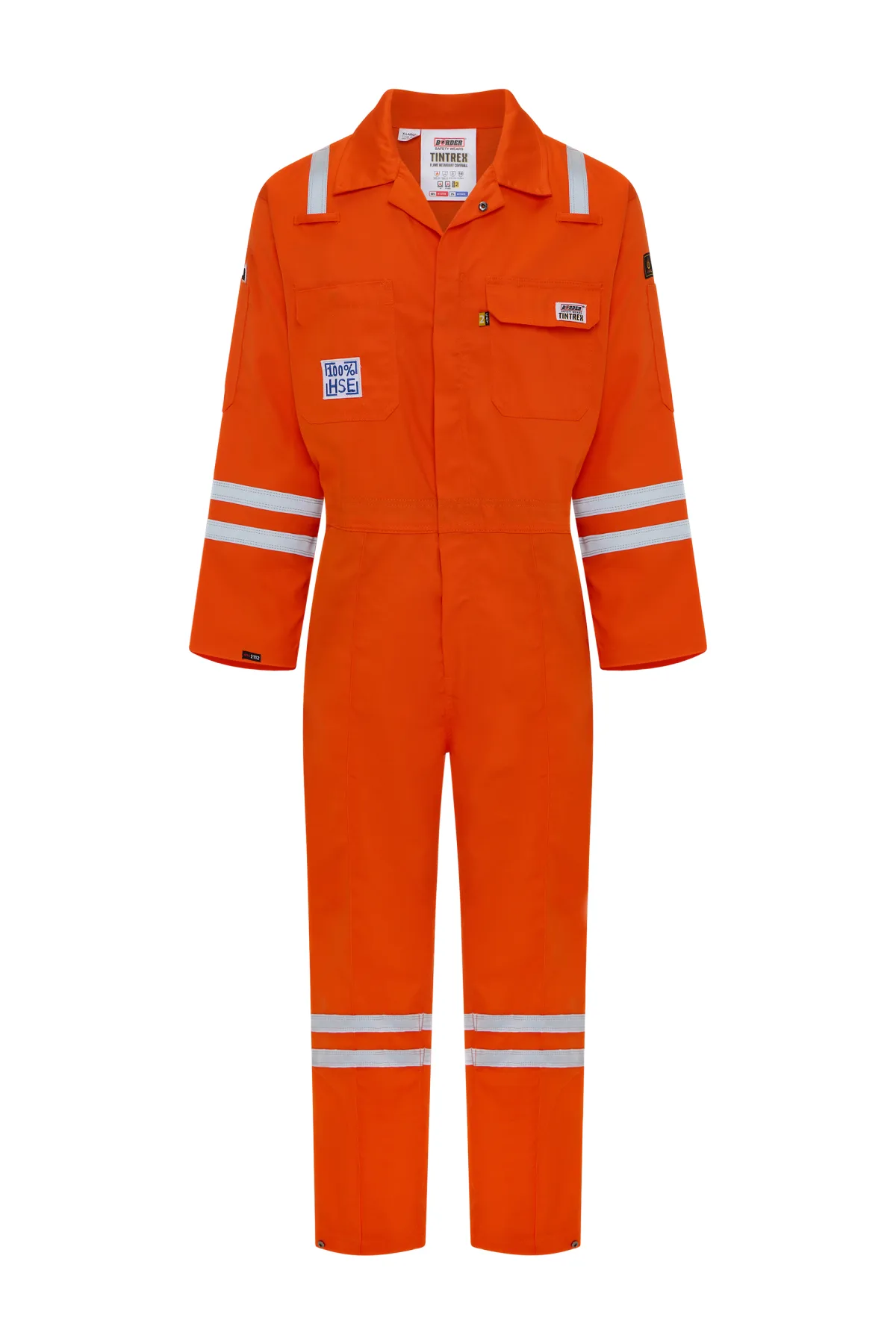
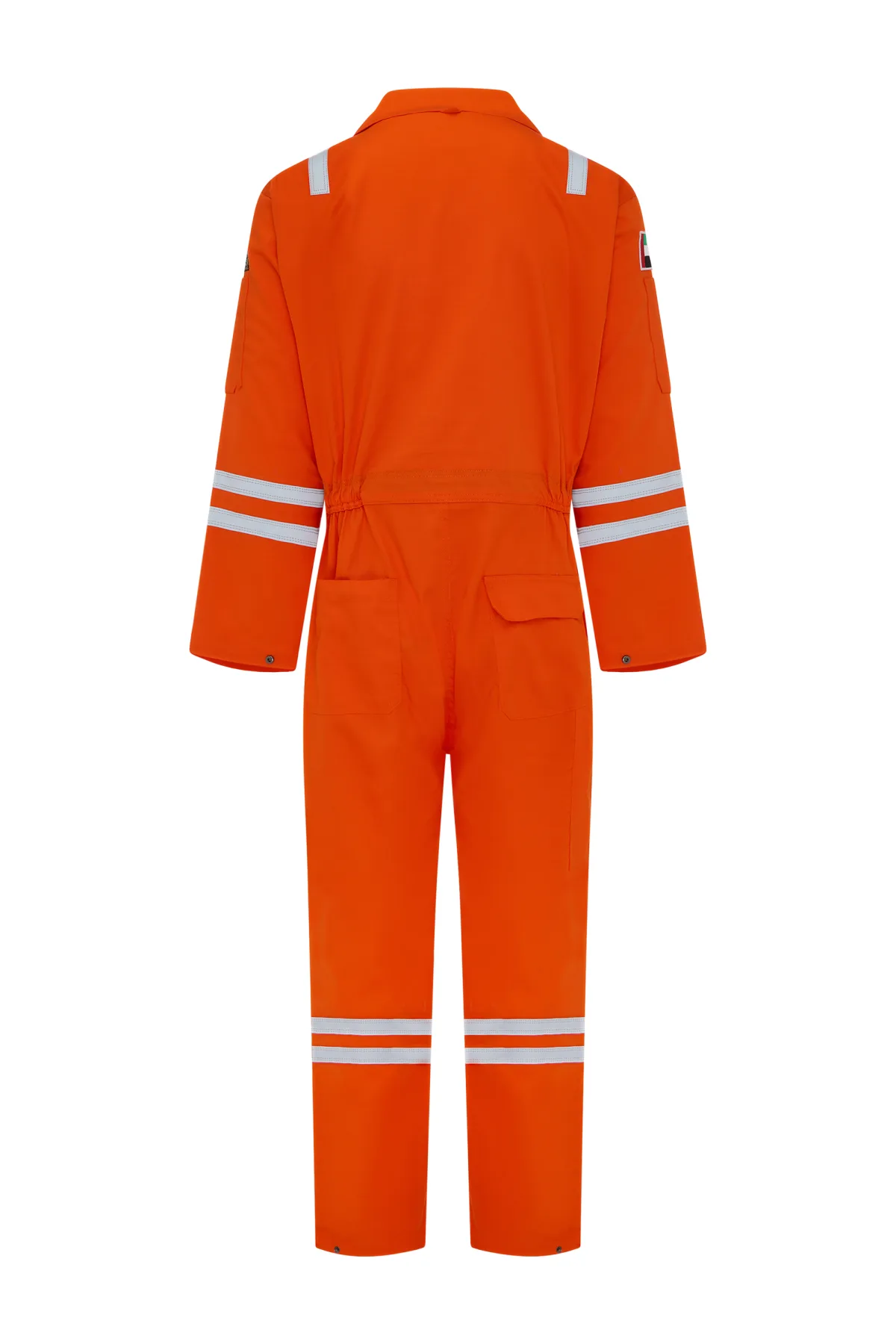
Tintrex Coverall BTC 4050 is a protective coverall for industrial workplaces where heat, flame, welding and electrical hazards may be present. It is suited to maintenance and other controlled work environments that require compliant body protection.
Which standards does the Tintrex Coverall BTC 4050 meet?
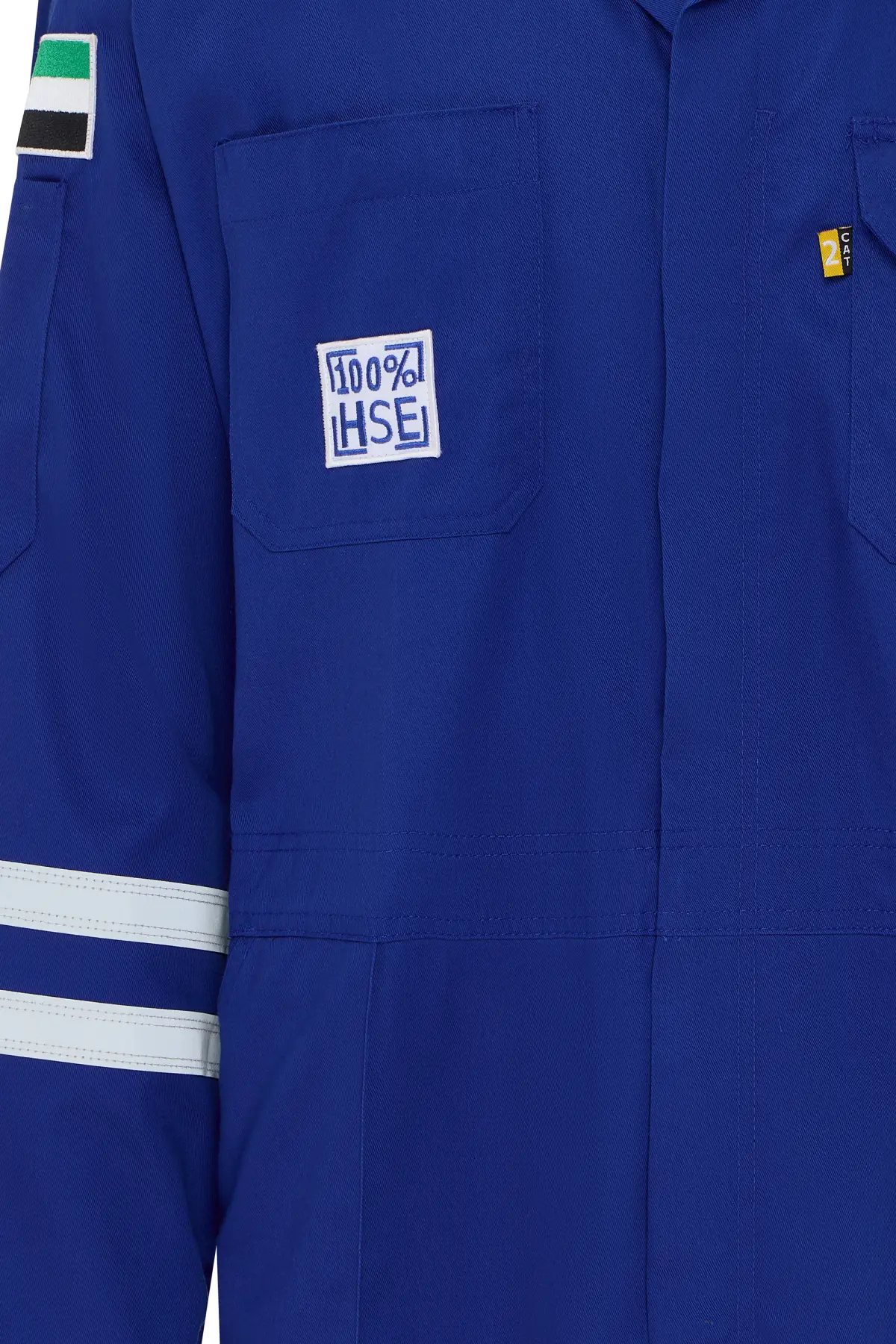
It is certified to EN ISO 11612: A1, A2, B1, C1, F1, EN ISO 11611: Class 1, A1, A2, EN 1149-5, IEC 61482-2, NFPA 70E (CAT 2) and NFPA 2112:2015. These standards relate to heat and flame, welding, antistatic and arc flash protection.
What material is the Tintrex Coverall BTC 4050 made from?
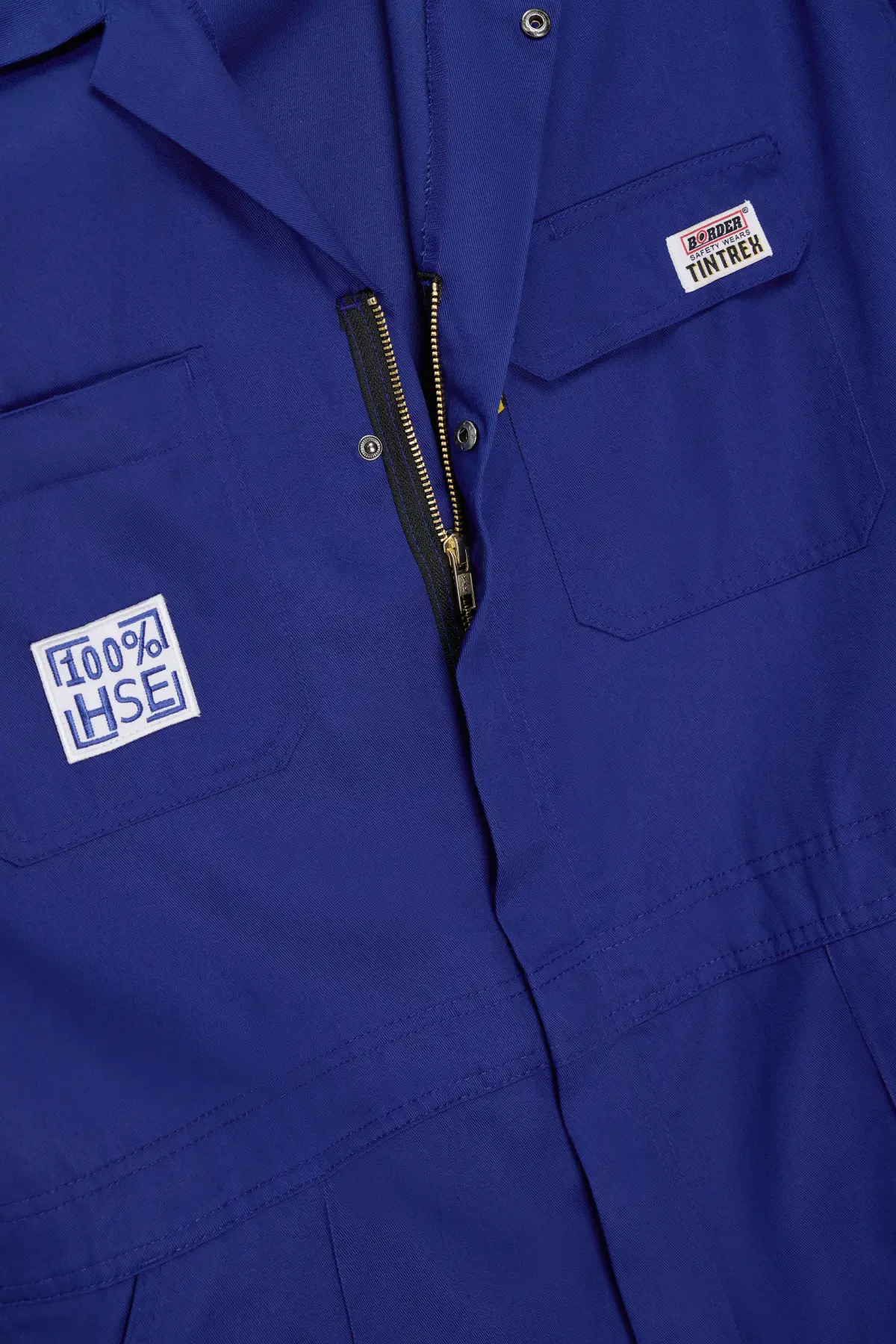
The coverall is made from 98% FR cotton and 2% antistatic fibre. It has a fabric weight of 240 GSM and uses a YKK metal front zipper, with an elasticised back waist for practical wear.
What sizes and colours are available for Tintrex Coverall BTC 4050?
Available sizes are S to 5XL. Colour options are Royal Blue and Orange, so buyers can choose the version that fits their site requirements.
Can Border PPE Trading LLC supply Tintrex Coverall BTC 4050 in bulk?
Yes. Border PPE Trading LLC offers bulk and corporate orders, and buyers can request a quote through the product page, by calling +971 54 446 7693 or by emailing info@borderppe.ae.
What is the difference between FR and IFR coveralls?
FR (treated) coveralls are made from cotton or cotton-rich fabric that has been chemically treated to resist ignition and self-extinguish. IFR (inherent) coveralls use fibres such as modacrylic or aramid, where flame resistance is part of the fibre and cannot wash out. Treated FR cotton usually costs less and is comfortable in heat, while inherent fabrics usually cost more but keep their flame resistance for the life of the garment.
Which standard should an FR coverall meet in the UAE?
The requirement usually comes from the client specification or the site risk assessment rather than one national coverall standard. EN ISO 11612 (heat and flame) is the common baseline, with EN ISO 11611 for welding, EN 1149-5 where static is a risk, IEC 61482-2 or NFPA 70E for arc flash, and NFPA 2112 where a US-based specification applies. Check the certificate and its performance codes, not just the word FR on the label.
Is a cotton or polyester coverall better for UAE summer heat?
100% cotton at around 210-220 GSM is the usual choice for outdoor work in the UAE summer because it breathes, absorbs sweat and does not melt onto skin. Polyester is lighter and holds colour well but traps more heat and can melt near sparks or hot surfaces. Heavier 240-270 GSM cotton suits workshops, winter months and abrasive tasks.
What is the difference between a coverall and a work suit?
A coverall, also called a boiler suit, is a one-piece garment that covers the body from neck to ankle with a single front closure. A work suit is a two-piece shirt and trouser set, which is easier to wear for long shifts and lets the parts be replaced separately. Coveralls give better full-body coverage for dirty, oily or hot work, while work suits are common as daily uniforms in maintenance, facilities and workshops.
How should FR coveralls be washed?
Follow the care label and the wash temperature on the datasheet. Do not use bleach, fabric softener or starch, as they can affect the flame-retardant finish or leave a flammable residue. Wash oil-soaked coveralls promptly and separately, because oil and grease in the fabric can burn even when the fabric itself is FR.
Can I order coveralls in bulk with my company logo?
Yes. Border Safety Wears offers volume pricing, corporate accounts and custom logo options for coveralls. Add the items to a quote on the website or send your sizes and quantities on WhatsApp at +971 54 446 7693. Delivery is within 24 hours across the UAE, and we also supply the wider GCC and Africa.
 Tap to enlarge