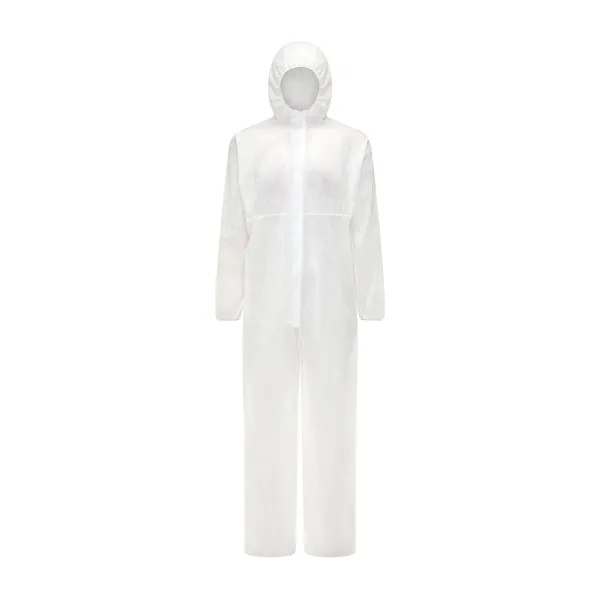
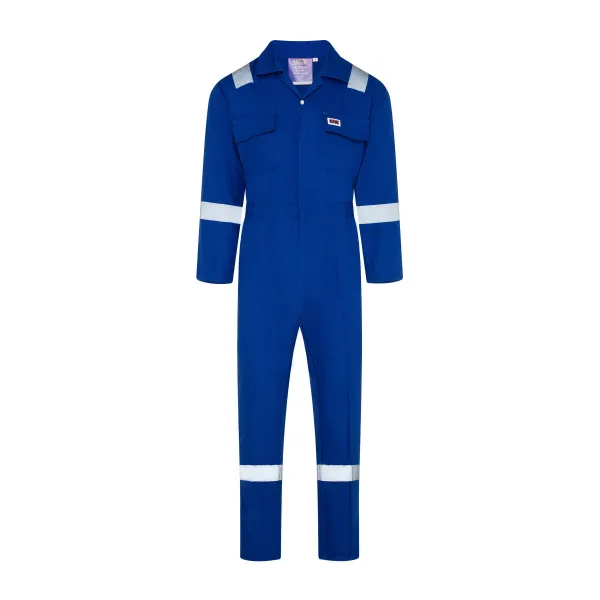
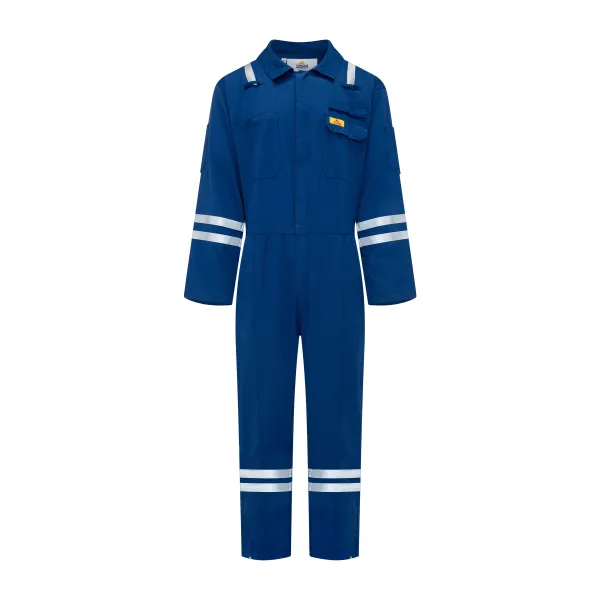
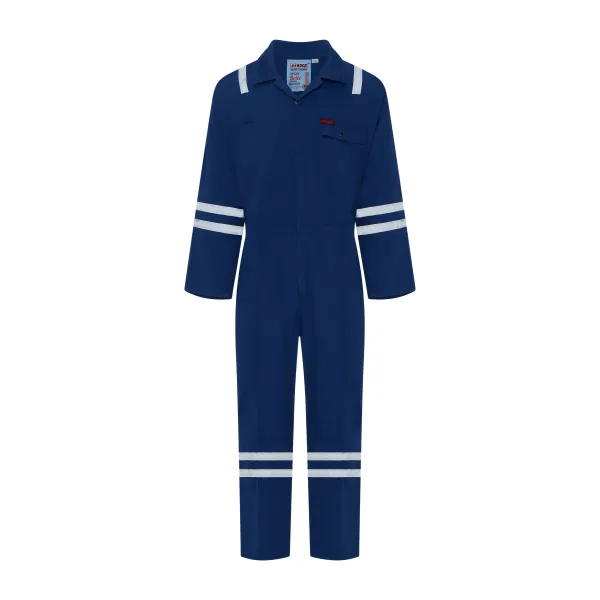
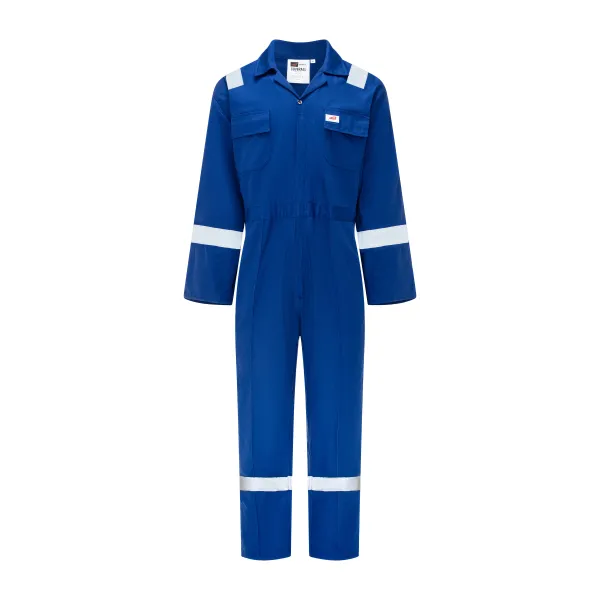
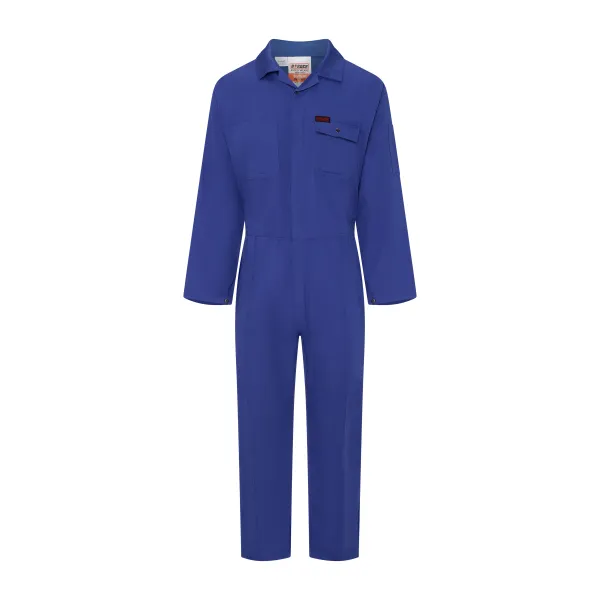
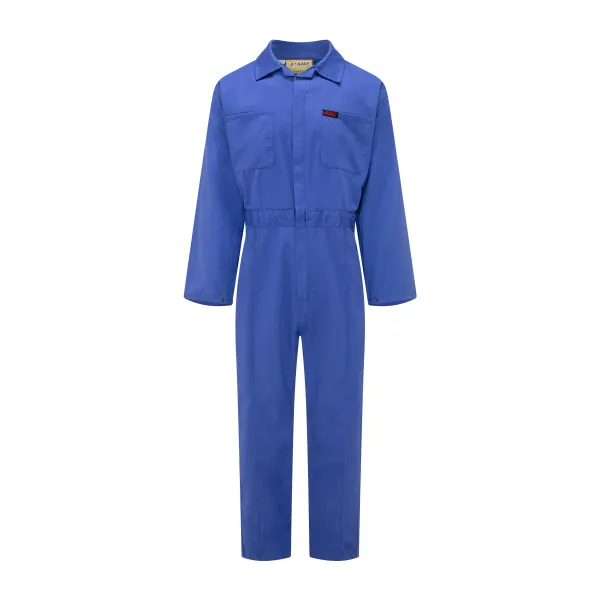
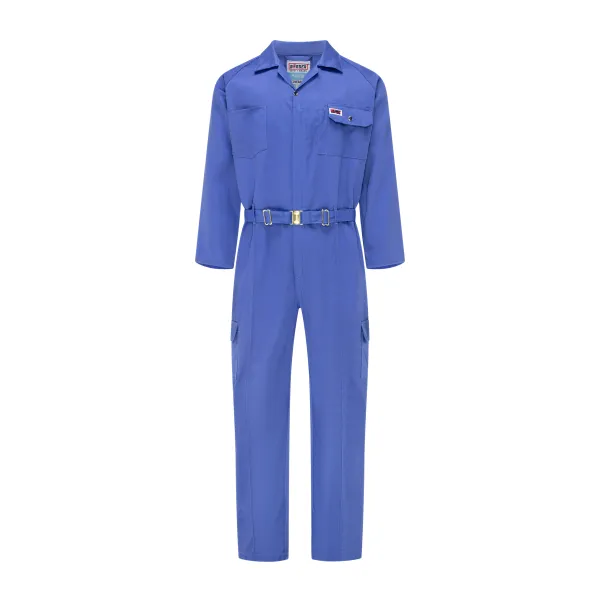
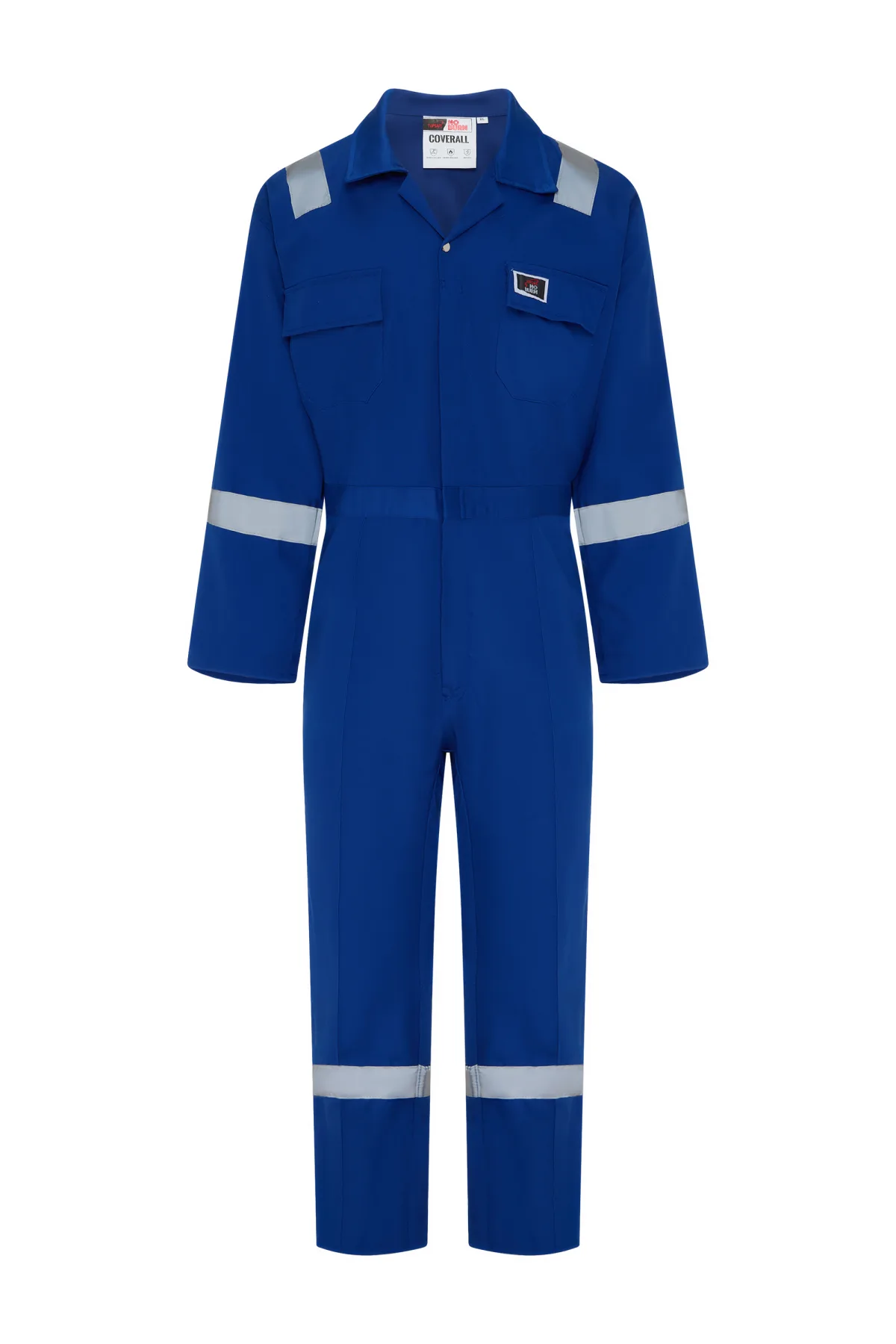
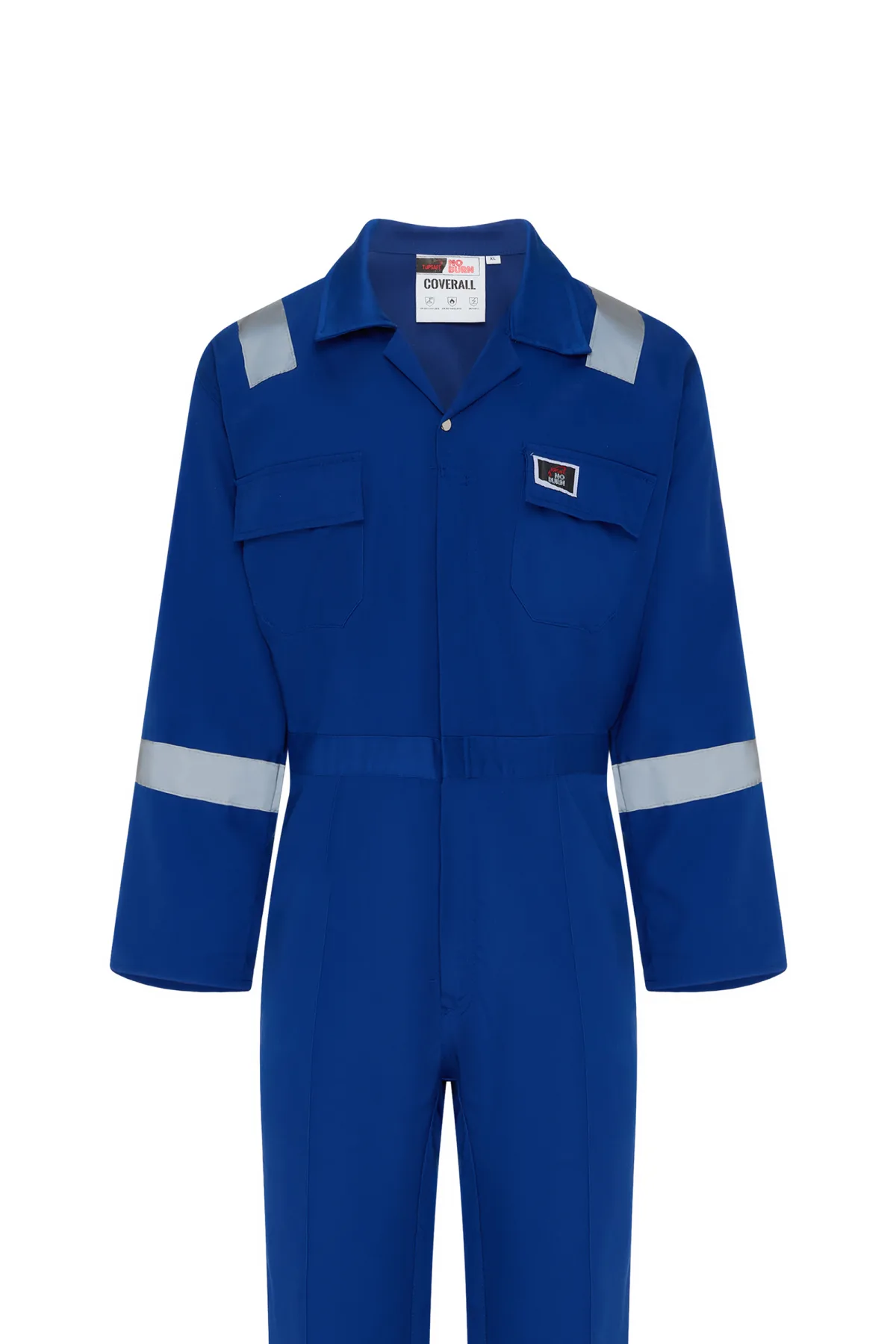
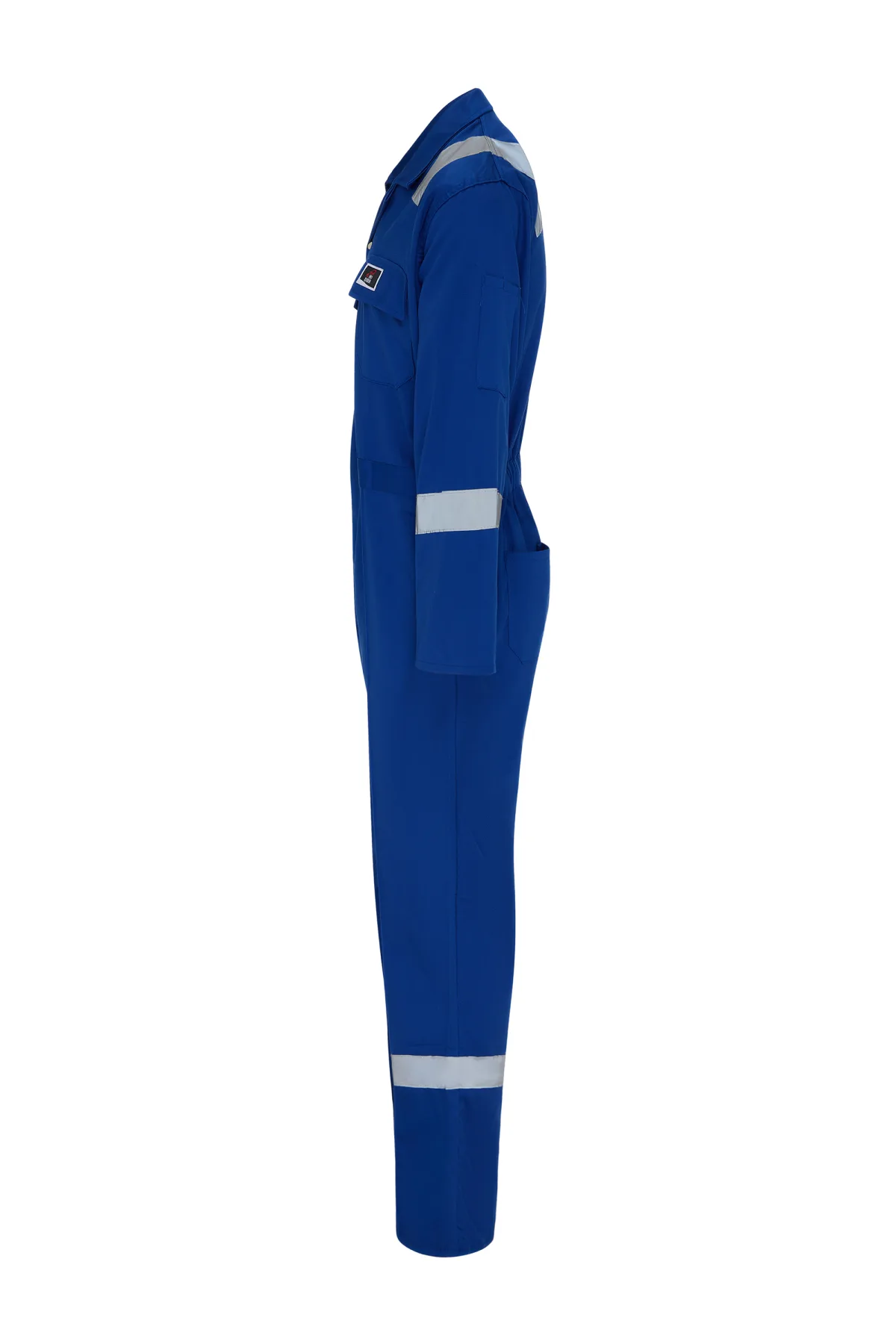
What is the TOPSAFE NOBURN Coverall TFRC 2000 used for?
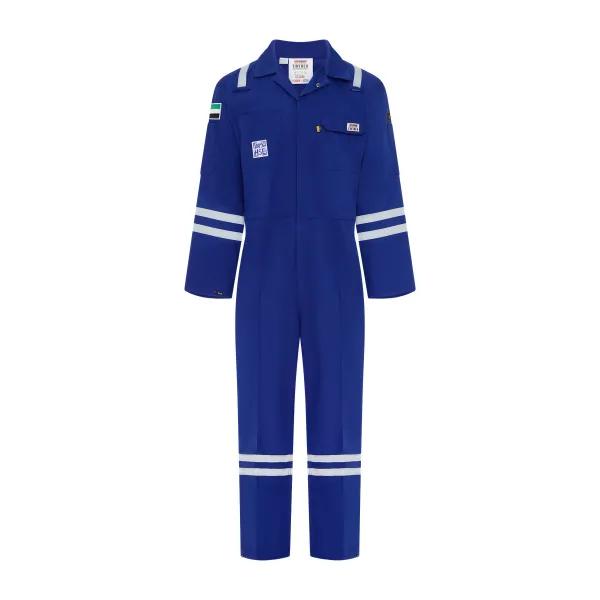
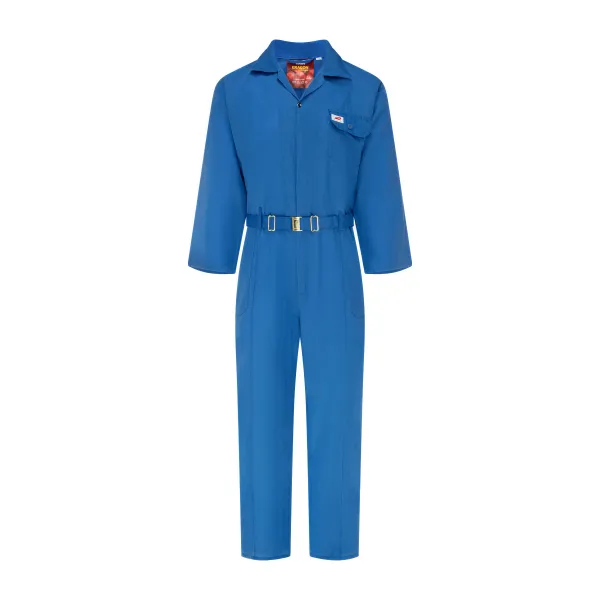
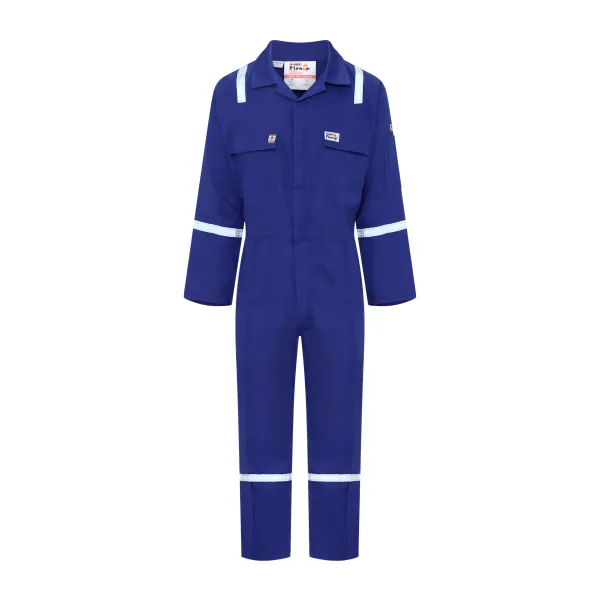
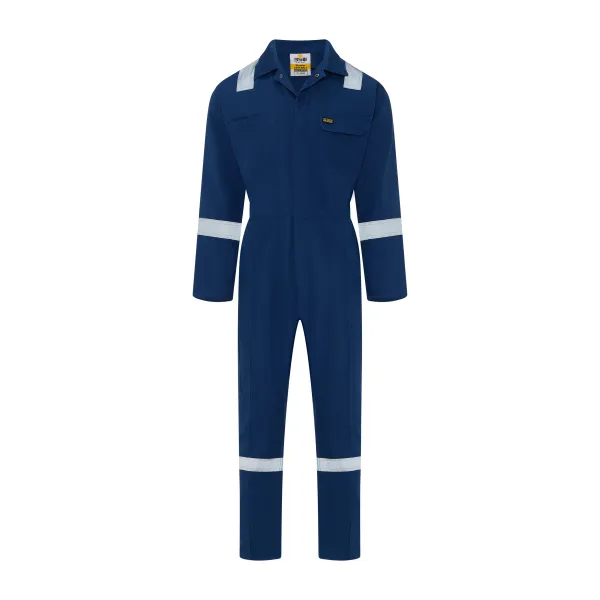
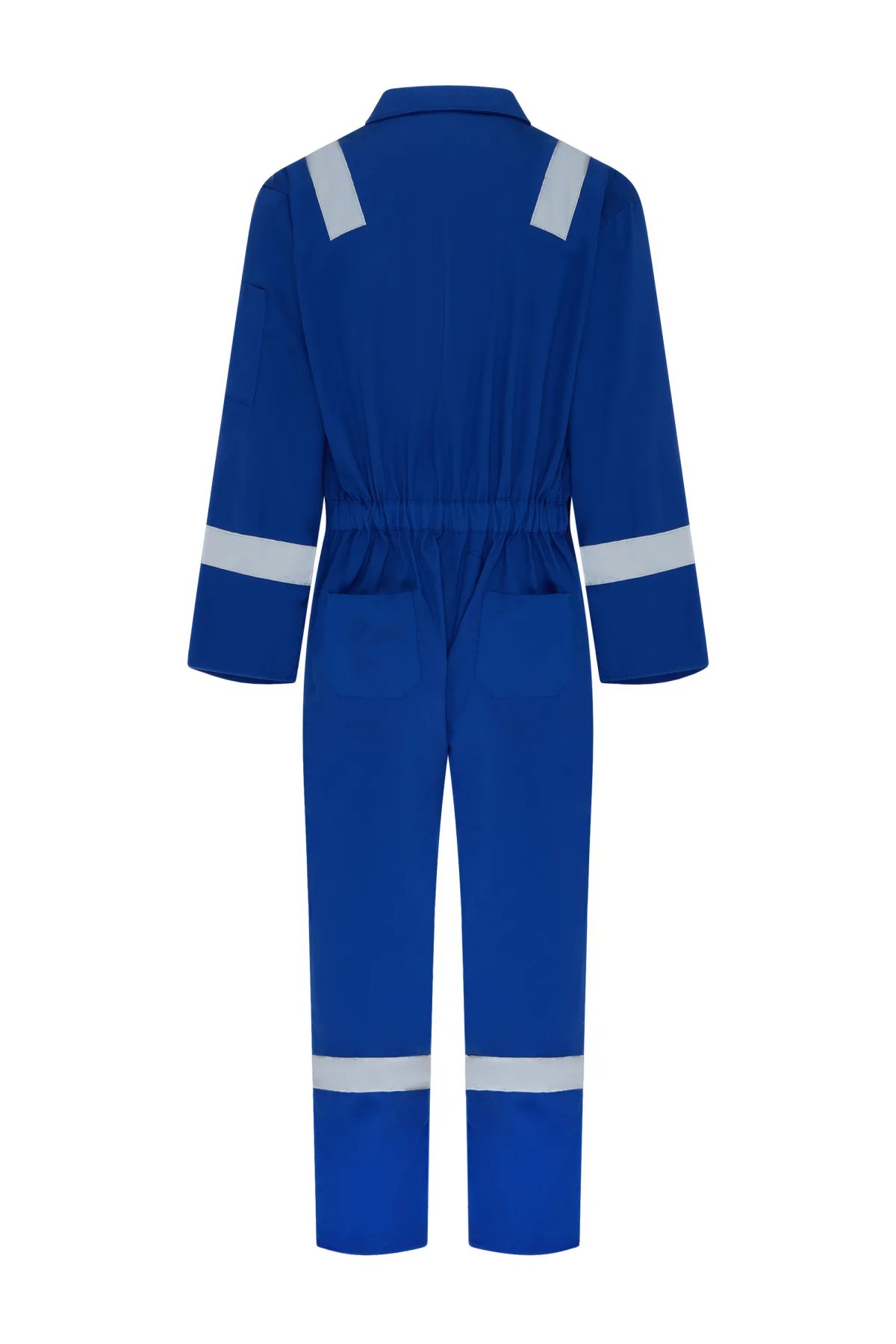
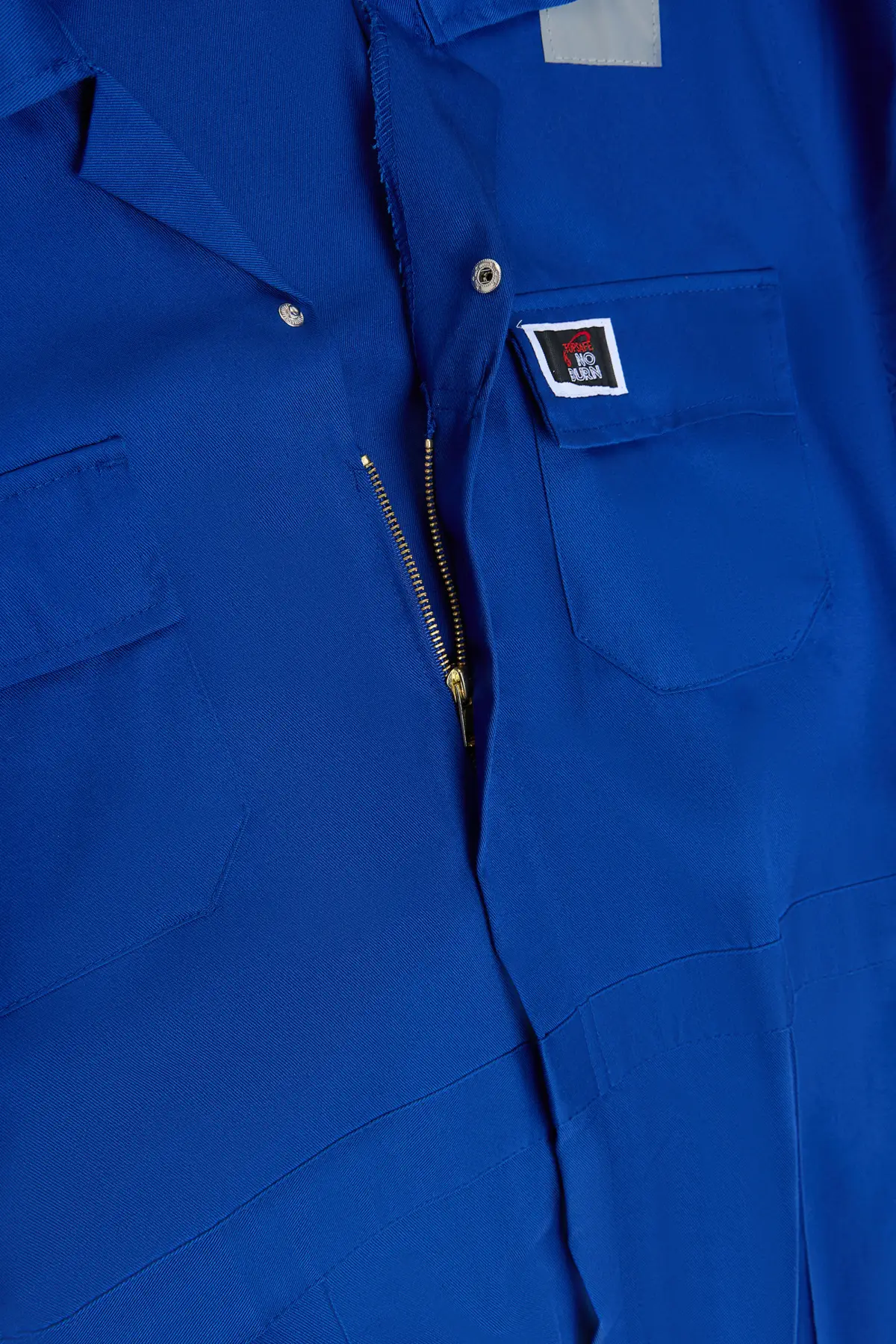
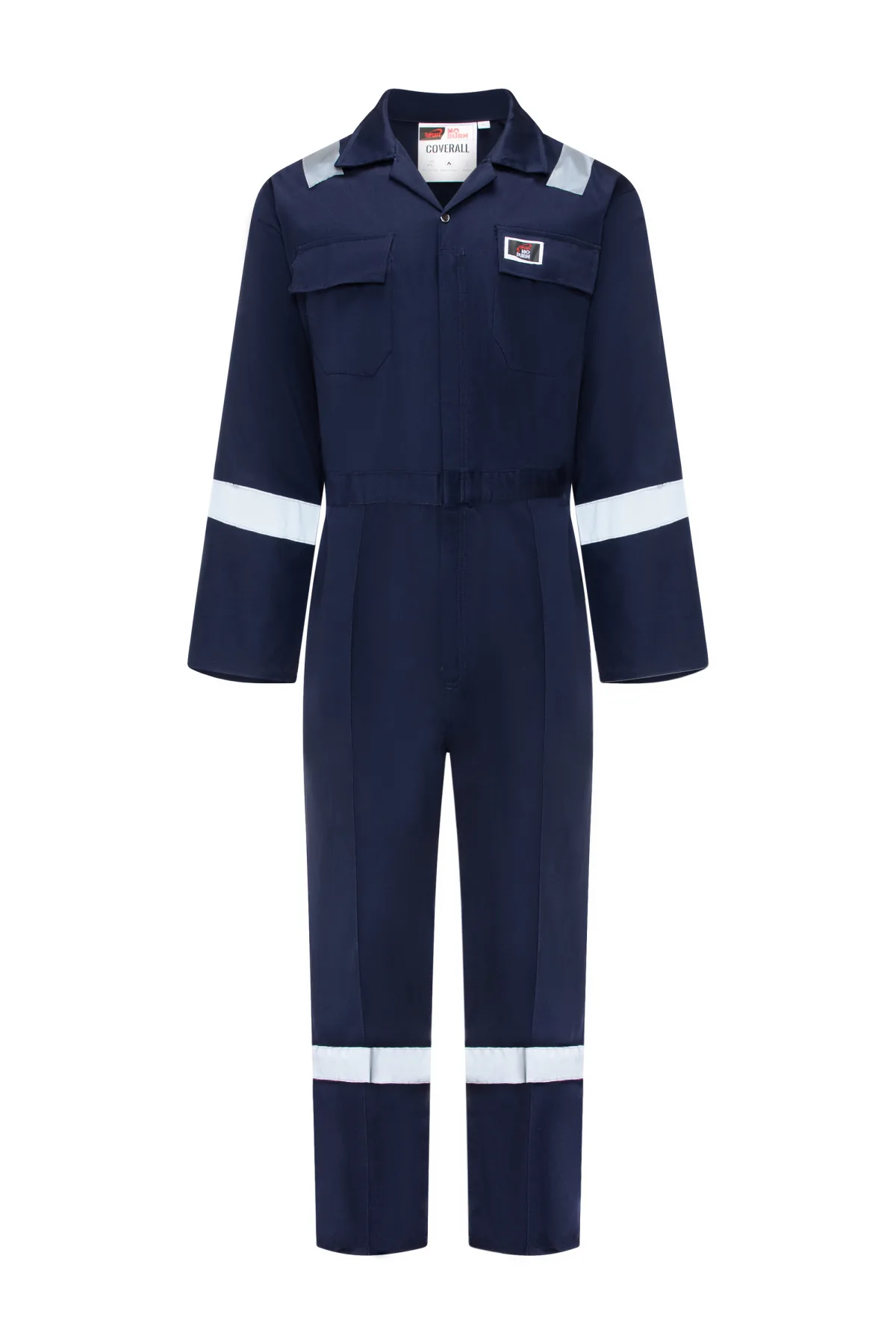
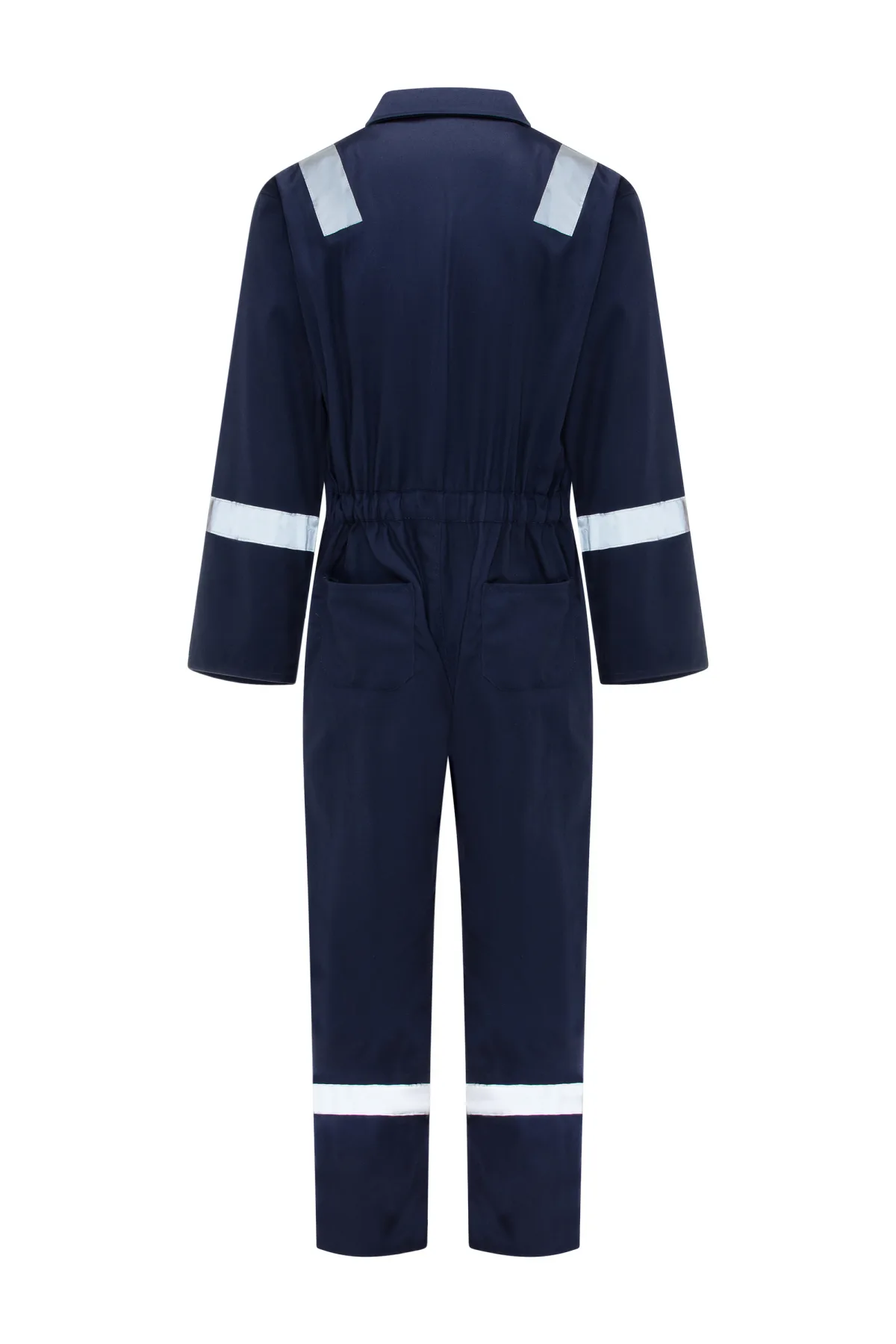
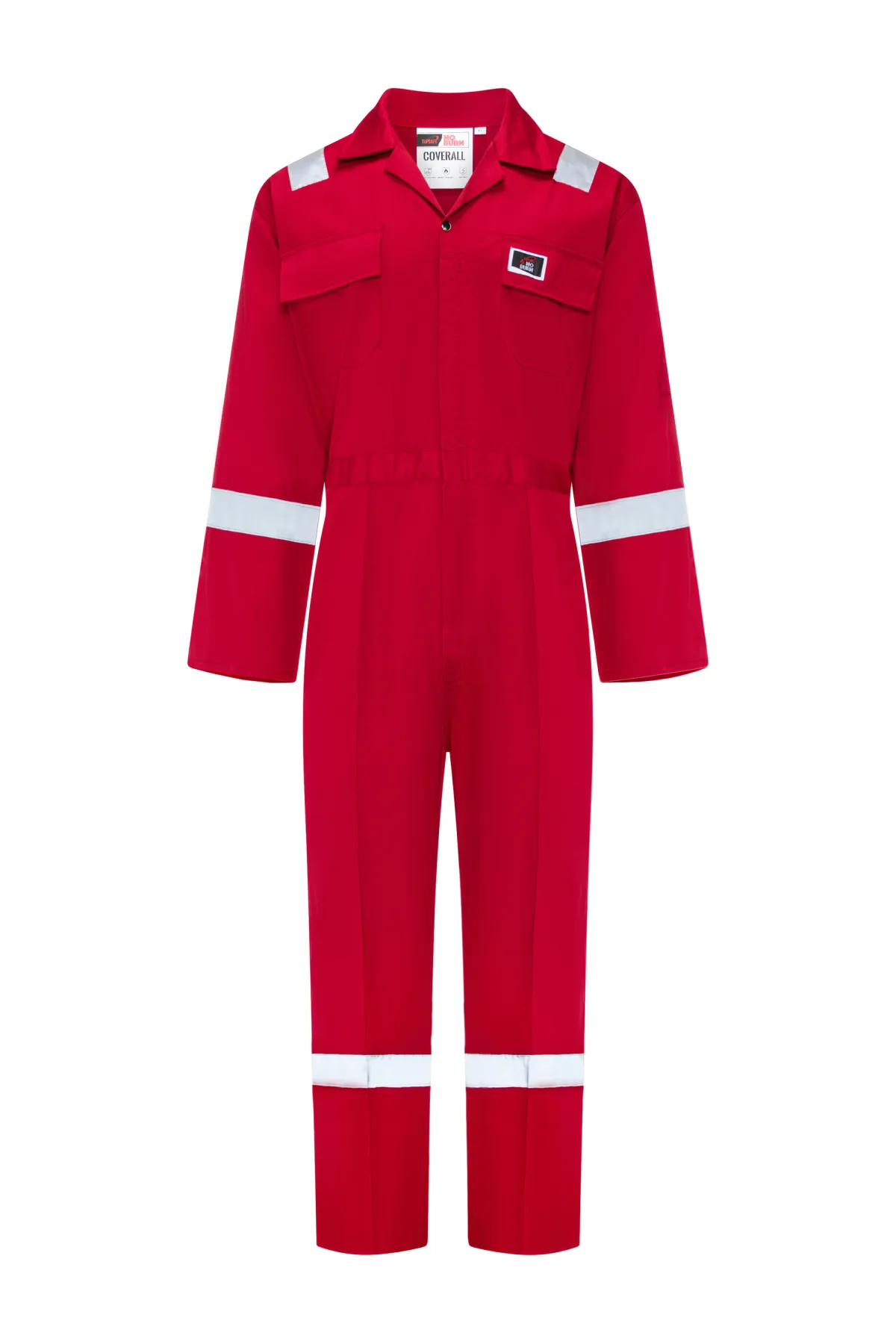
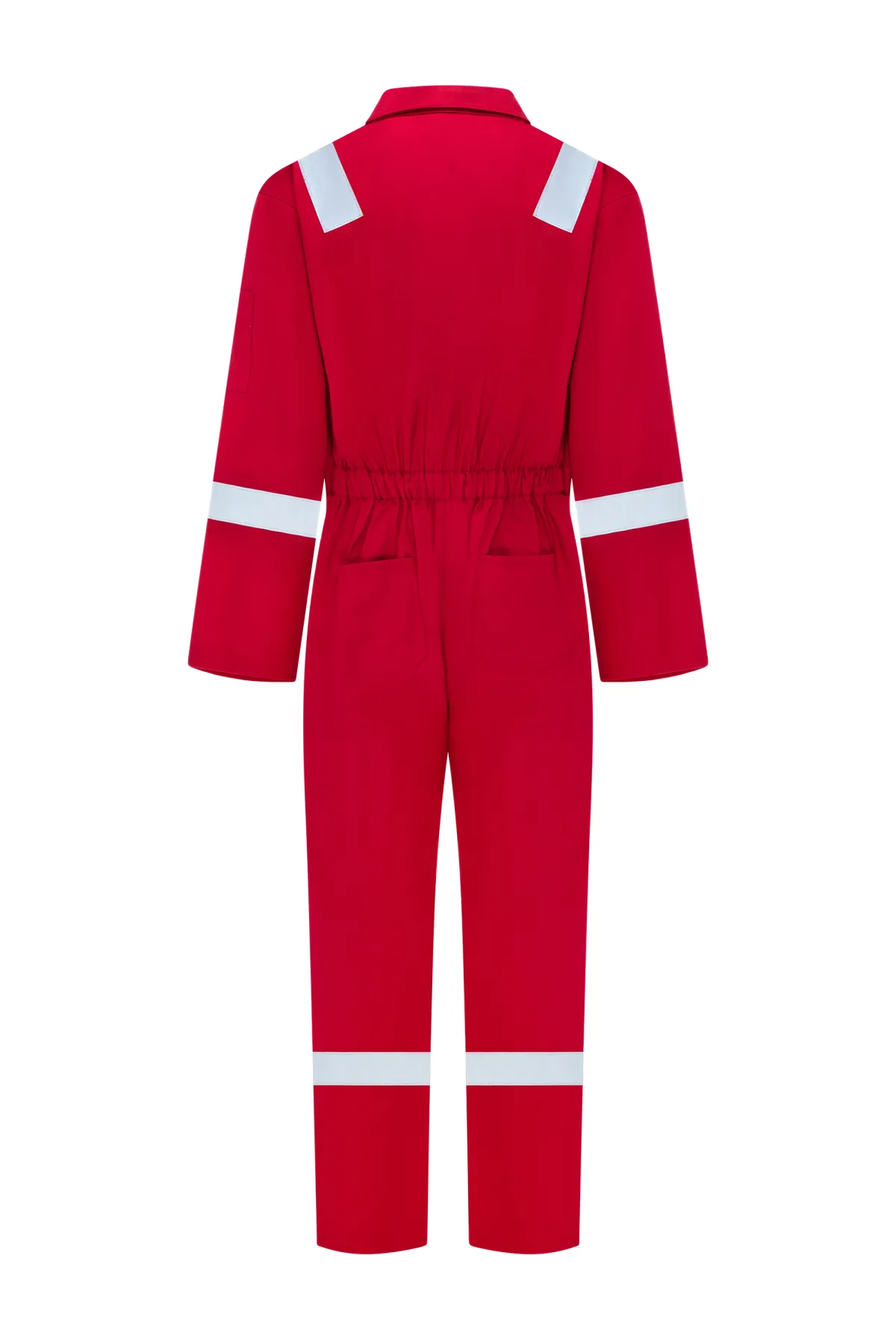
It is a flame-retardant coverall for hot-work environments. The NOBURN Coverall TFRC 2000 is suitable for welding, fabrication, foundries, flame cutting and electrical utility applications.
Which standards does the NOBURN Coverall TFRC 2000 meet?
It meets EN ISO 11611:2015 and EN ISO 11612:2015. These standards are commonly used for protective clothing for welding and for limited flame, heat and related hazards.
What material is the NOBURN Coverall TFRC 2000 made from?
It is made from 100% Cotton Flame Retardant Fabric. The fabric is also permanently treated as flame-retardant and has a weight of 200–220 GSM.
What sizes and colours are available for this coverall?
It is available in sizes S to 6XL. Colour options are Royal Blue and Red.
Can I request a quote for the NOBURN Coverall TFRC 2000 in bulk?
Yes. Border PPE Trading LLC accepts bulk and corporate orders, and you can request a quote from the product page or contact the team directly.
What is the difference between FR and IFR coveralls?
FR (treated) coveralls are made from cotton or cotton-rich fabric that has been chemically treated to resist ignition and self-extinguish. IFR (inherent) coveralls use fibres such as modacrylic or aramid, where flame resistance is part of the fibre and cannot wash out. Treated FR cotton usually costs less and is comfortable in heat, while inherent fabrics usually cost more but keep their flame resistance for the life of the garment.
Which standard should an FR coverall meet in the UAE?
The requirement usually comes from the client specification or the site risk assessment rather than one national coverall standard. EN ISO 11612 (heat and flame) is the common baseline, with EN ISO 11611 for welding, EN 1149-5 where static is a risk, IEC 61482-2 or NFPA 70E for arc flash, and NFPA 2112 where a US-based specification applies. Check the certificate and its performance codes, not just the word FR on the label.
Is a cotton or polyester coverall better for UAE summer heat?
100% cotton at around 210-220 GSM is the usual choice for outdoor work in the UAE summer because it breathes, absorbs sweat and does not melt onto skin. Polyester is lighter and holds colour well but traps more heat and can melt near sparks or hot surfaces. Heavier 240-270 GSM cotton suits workshops, winter months and abrasive tasks.
What is the difference between a coverall and a work suit?
A coverall, also called a boiler suit, is a one-piece garment that covers the body from neck to ankle with a single front closure. A work suit is a two-piece shirt and trouser set, which is easier to wear for long shifts and lets the parts be replaced separately. Coveralls give better full-body coverage for dirty, oily or hot work, while work suits are common as daily uniforms in maintenance, facilities and workshops.
How should FR coveralls be washed?
Follow the care label and the wash temperature on the datasheet. Do not use bleach, fabric softener or starch, as they can affect the flame-retardant finish or leave a flammable residue. Wash oil-soaked coveralls promptly and separately, because oil and grease in the fabric can burn even when the fabric itself is FR.
Can I order coveralls in bulk with my company logo?
Yes. Border Safety Wears offers volume pricing, corporate accounts and custom logo options for coveralls. Add the items to a quote on the website or send your sizes and quantities on WhatsApp at +971 54 446 7693. Delivery is within 24 hours across the UAE, and we also supply the wider GCC and Africa.
 Tap to enlarge