
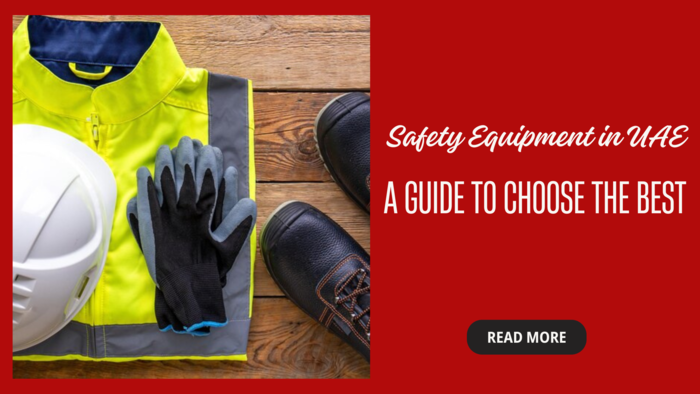
The United Arab Emirates (UAE) employs a massive labor force each year—approximately 6.6 million workers in 2023 alone. To protect this workforce, the UAE enforces strict safety regulations through the Occupational Safety and Health Management System (OHSMS), Abu Dhabi OSHAD SF, and various workplace health and safety guidelines.
The UAE Labor Law also mandates that employers must provide appropriate Personal Protective Equipment (PPE) to their workers. This blog explains how to choose the best safety equipment in the UAE to ensure the well-being of your employees.
Tips to Choose the Right PPE in UAE for Your Worker’s Health and Safety
Many employers struggle to convince workers to wear PPE consistently. Common reasons include discomfort, poor fit, unsuitable materials, or lack of awareness. These tips will help you choose the most effective PPE and encourage employees to use it regularly.
Industry Standards
One common challenge is determining which PPE is suitable for a particular task or hazard. To resolve this:
- Identify workplace hazards clearly
- Refer to Safety Data Sheet (SDS) management software
- Use digital chemical inventories
- Stay updated with standards from local regulatory bodies
Following industry standards helps eliminate uncertainty and ensures compliance.
Climate
UAE’s hot and humid climate often discourages workers from wearing PPE due to overheating or discomfort. The solution is to choose PPE made from:
- Breathable materials
- Moisture-wicking fabrics
- Lightweight and ventilated designs
Choosing climate-friendly PPE increases comfort and improves worker compliance.
Level of Threat
Different tasks involve varying levels of danger. For workers in high-risk environments like oil fields, electrical work, or high-rise construction, specialized PPE is essential. Examples include:
- Firefighting suits
- Fall protection harnesses
- Arc-flash protective clothing
Workplace Hazards
Identifying the type of hazard allows employers to choose PPE tailored to specific risks. Examples:
- Electrical risks → Insulated gloves, dielectric footwear
- Chemical exposure → Chemical-resistant gloves, face shields
- Flying debris → Safety goggles and helmets
Functionality
PPE must support a worker’s ability to perform their tasks safely and efficiently. For example:
- Safety glasses with fog-resistant coatings for humid environments
- Anti-slip safety shoes for wet floors
- Chemical-resistant coveralls for hazardous industries
Comfort
PPE that is too tight, too loose, or poorly ventilated discourages use. Employers should select PPE that provides:
- Breathability
- Flexibility
- Soft interior lining
- Minimal heat retention
Fit
A proper fit ensures maximum protection. Poorly fitted PPE exposes the worker to hazards and reduces comfort. Consider:
- Adjustable PPE
- Customized sizing
- PPE with elasticized or ergonomic designs
Sustainability
While PPE may seem unsustainable, you can improve environmental responsibility by choosing:
- PPE made from recyclable or eco-friendly materials
- Suppliers who follow energy-efficient manufacturing practices
- Internal recycling and waste-management protocols
Visibility
Workers should be visible at all times, especially in construction sites and low-light environments. Choose PPE such as:
- High-visibility vests
- Reflective helmets
- Bright-colored coveralls
Price
Low-cost PPE may seem attractive but often compromises quality. Investing in high-grade PPE ensures:
- Fewer injuries
- Lower long-term expenses
- Higher worker satisfaction
Saving money on PPE now can lead to financial losses due to injuries later.
Conclusion
Selecting the right safety equipment in UAE helps protect employees from accidents, illnesses, and environmental hazards. These ten factors—ranging from climate and comfort to industry standards and sustainability—will guide you in choosing the most effective PPE for your workforce.
Invest wisely in high-quality PPE to ensure safety, productivity, and peace of mind for both employers and employees.


