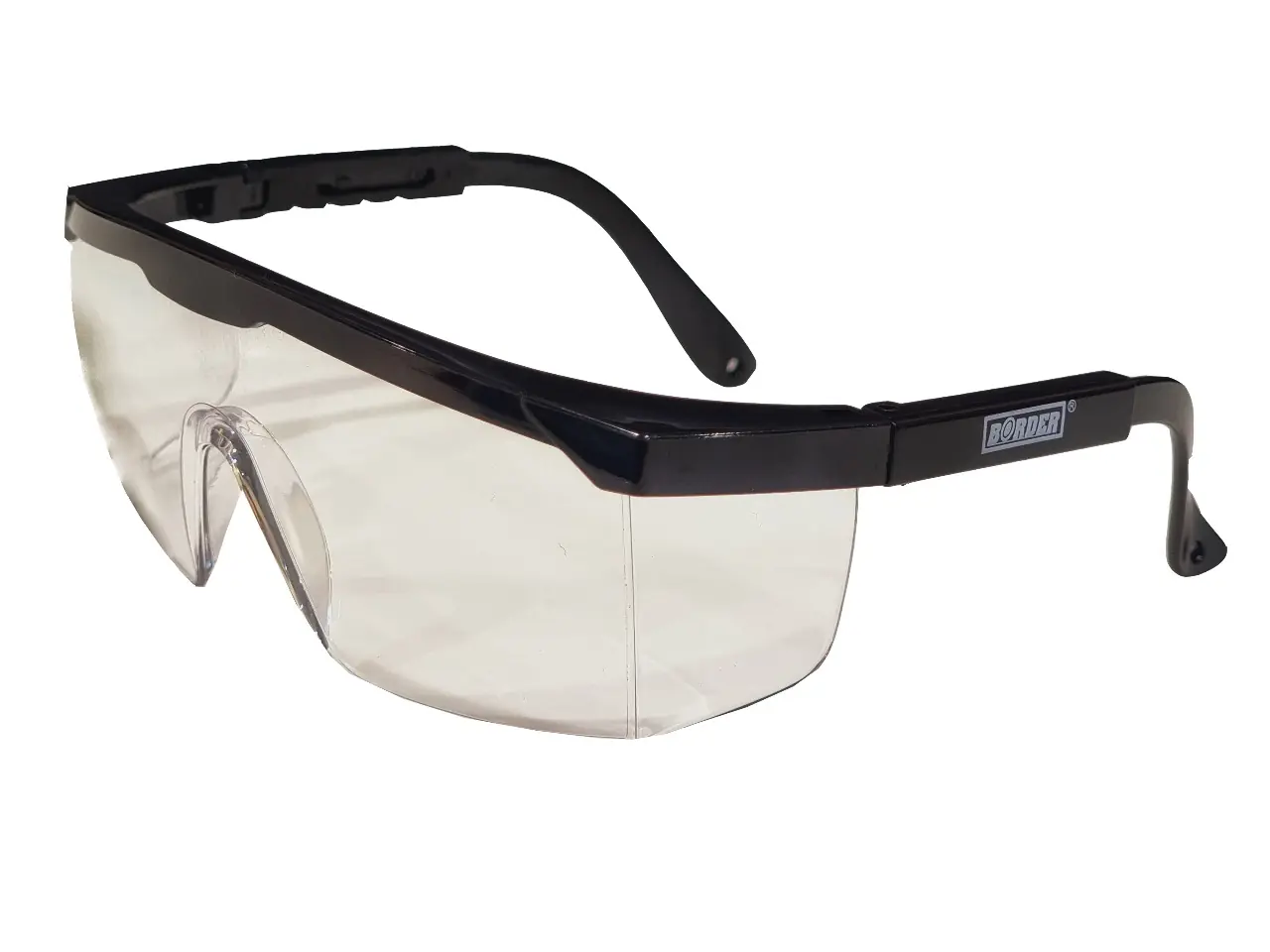
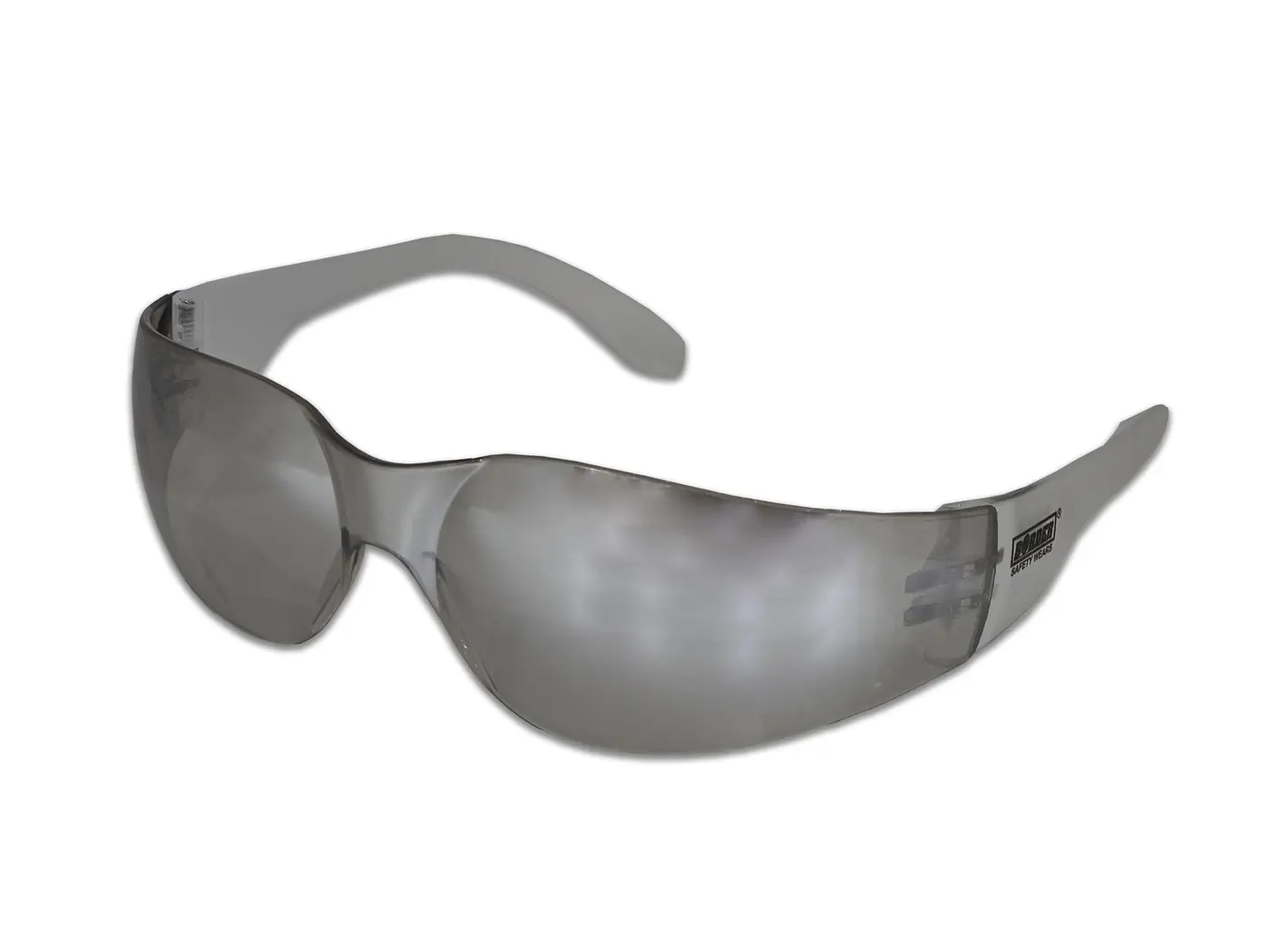
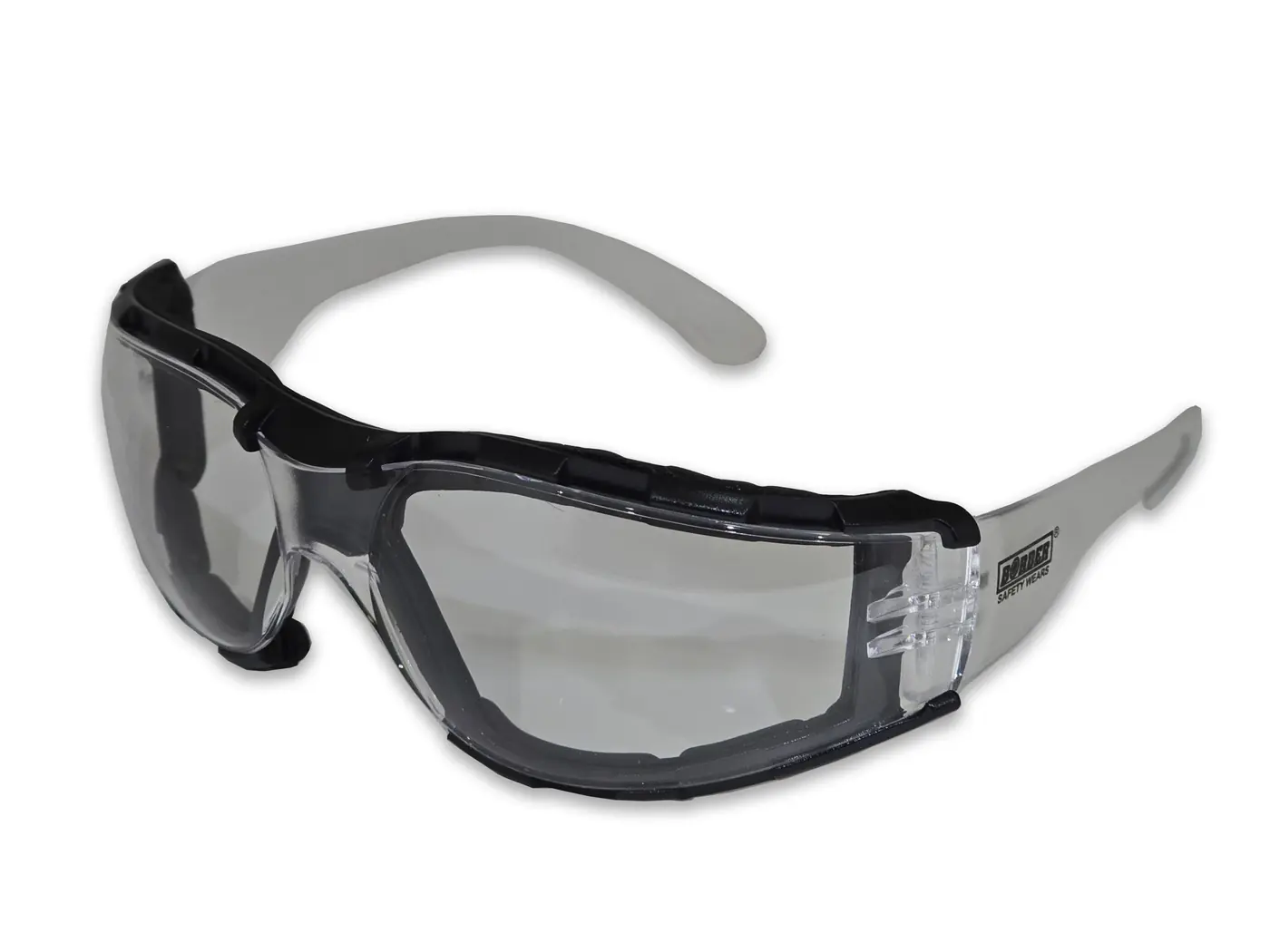
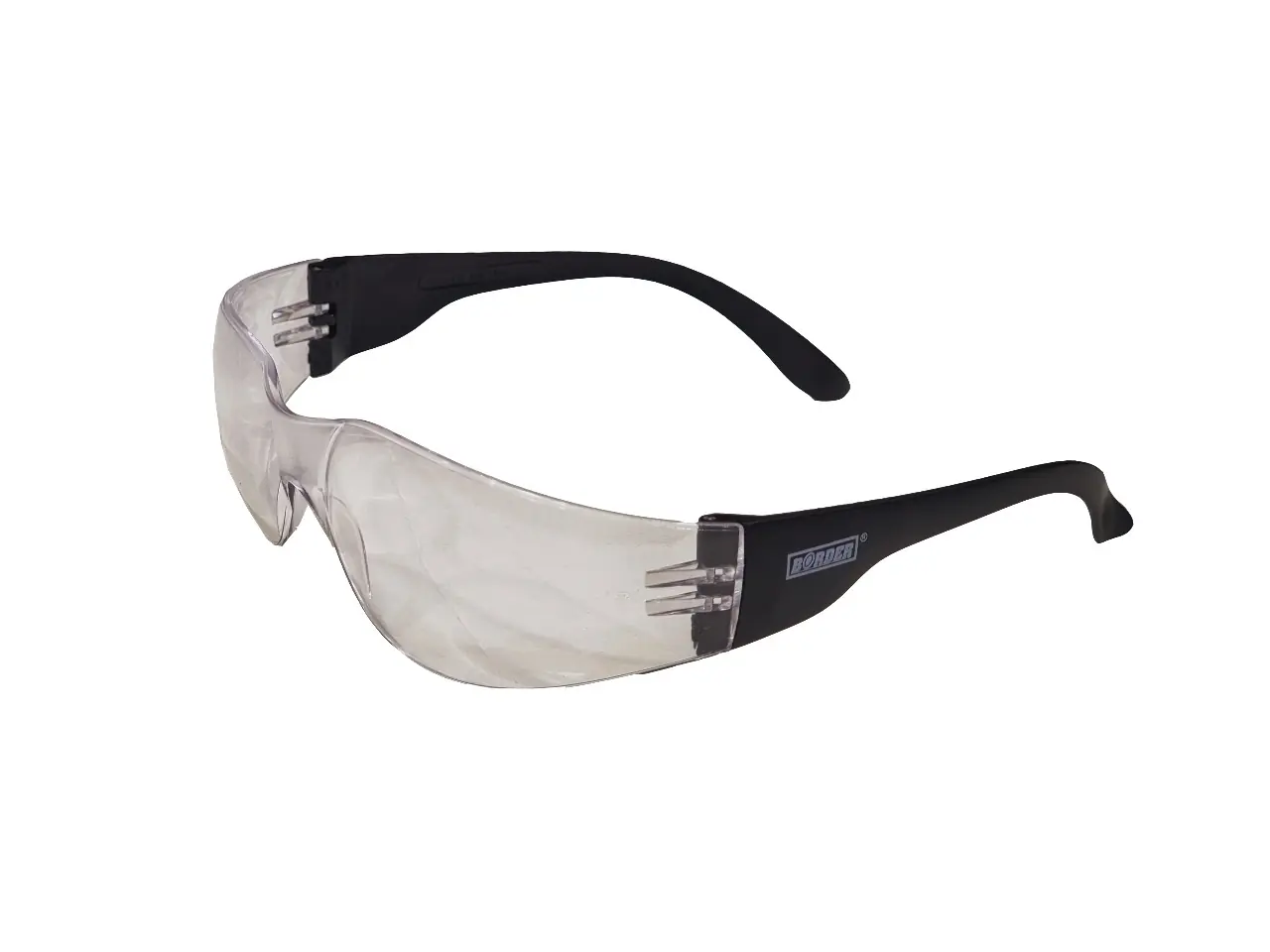
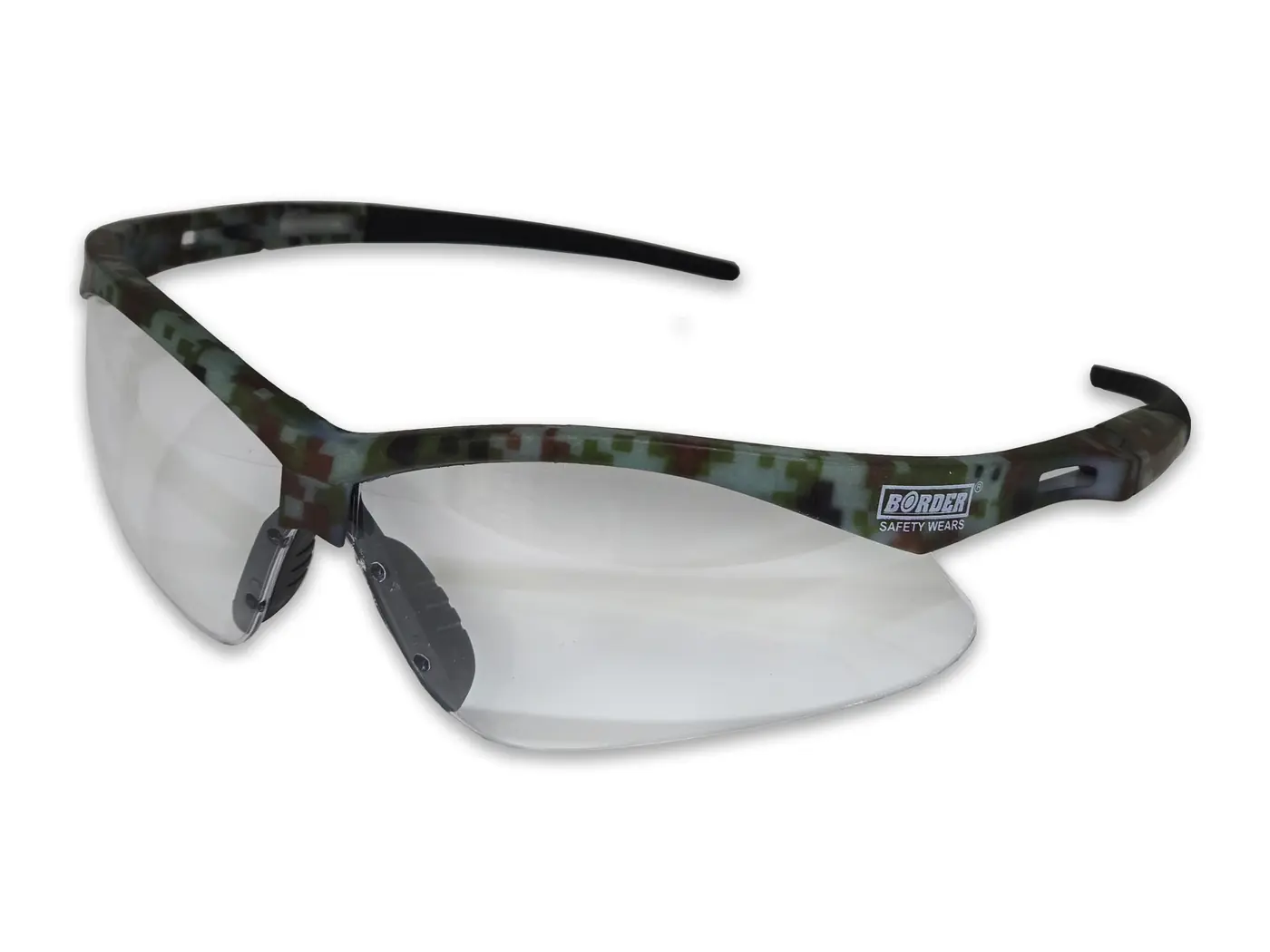
What are Border Safety Glass BSG 0400 safety goggles used for?
Border Safety Glass BSG 0400 are designed for eye protection in work environments where extended coverage is needed. The wrap-around design helps provide broader protection around the eye area.
Which standards do the BSG 0400 safety goggles meet?
These safety goggles carry CE EN 166, EN 170, EN 172 and ANSI Z87.1. EN 166 is the main eye protection standard, while EN 170 and EN 172 relate to filter performance for UV and sunglare applications.
What materials are used in the BSG 0400 safety goggles?
The BSG 0400 use a PC lens and PC leg. PC refers to polycarbonate, a common material used in safety eyewear.
What does the optical class 1 rating mean on Border Safety Glass BSG 0400?
Optical class 1 indicates good optical quality for prolonged wear. It is suitable where clear, consistent vision is important during the work shift.
Can I request bulk or corporate pricing for Border Safety Glass BSG 0400?
Yes. Bulk and corporate orders are available, and you can request a quote using the Request Quote button on the product page, or by calling +971 54 446 7693 or emailing info@borderppe.ae.
What is the difference between safety glasses and safety goggles?
Safety glasses protect the front and sides of the eyes against flying particles but leave gaps around the frame. Goggles seal against the face, so they can also keep out dust, liquid splashes and wind-blown sand. Use glasses for general site work and goggles for grinding, chemical splash risks and sandstorm conditions.
What does F mean on EN 166 safety glasses?
F is the mechanical strength grade for low-energy impact. It means the eyewear withstood a 6 mm steel ball at 45 metres per second. Grade B (120 m/s) is a higher level used on goggles and face shields, and grade A is reserved for face shields.
Are ANSI Z87.1 safety glasses accepted in the UAE?
There is no single UAE rule, so acceptance depends on the project or client HSE specification. Specifications based on US practice usually ask for ANSI Z87.1, and European-led ones for EN 166. Eyewear marked to both, as the Border range is listed, fits most tender specs.
Can tinted safety glasses be used for outdoor work?
Yes. A smoke lens made as a sunglare filter to EN 172 reduces glare for outdoor crews in strong sun. Tinted lenses should not be used indoors in poor light or on night shifts, and they are not welding filters.
What eye protection is best during a sandstorm?
A goggle that seals to the face is better than open safety glasses, because fine sand gets in around an open frame. Look for the 4 marking on the frame, which shows the goggle was tested against large dust particles, and wear a dust mask at the same time.
How often should safety glasses be replaced?
There is no fixed interval. Replace safety glasses after any impact, or when the lens is scratched, cracked or hazy, or the frame is loose or bent. In dusty Gulf conditions, scratching is the most common reason to replace them.
 Tap to enlarge