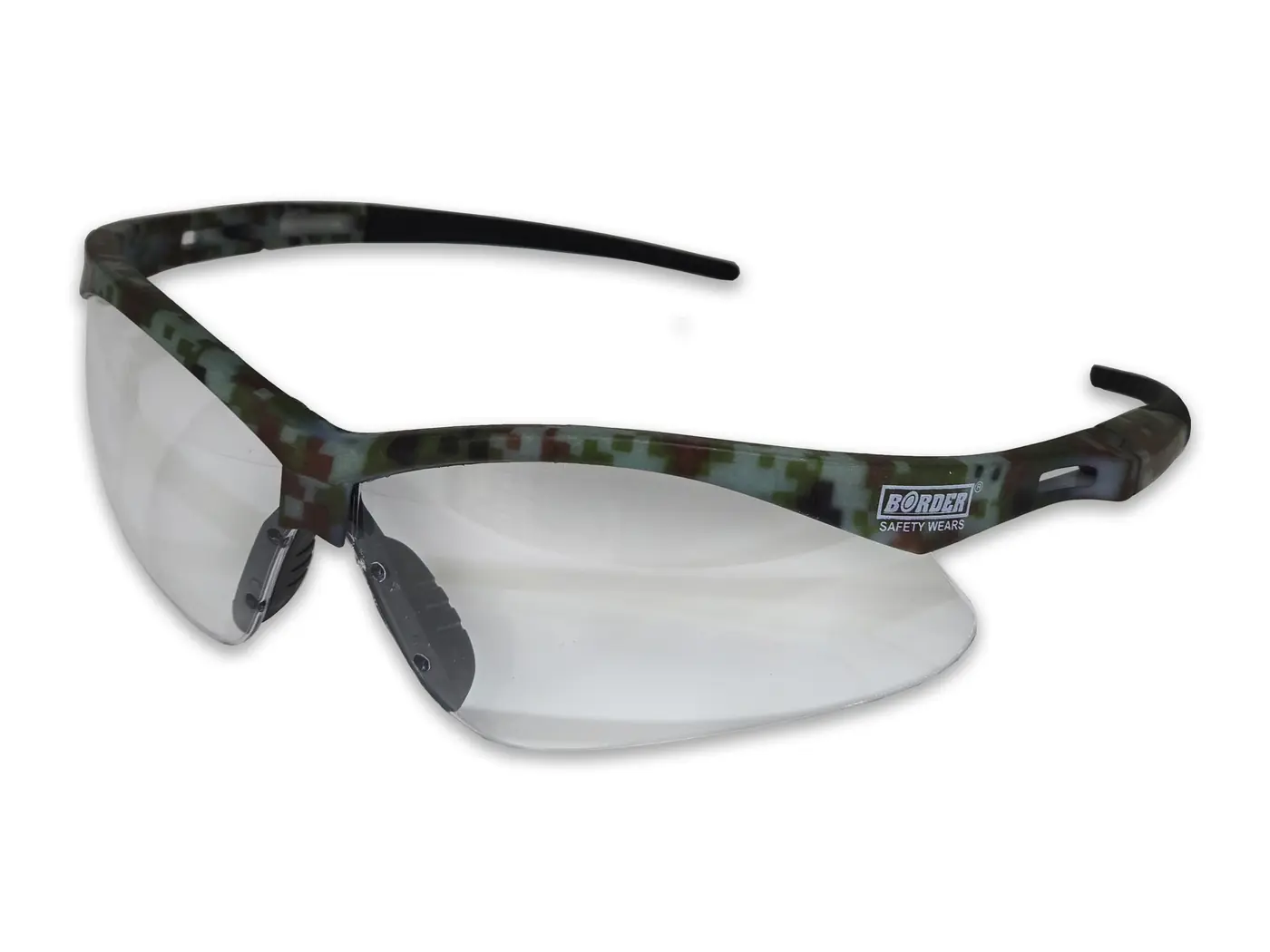
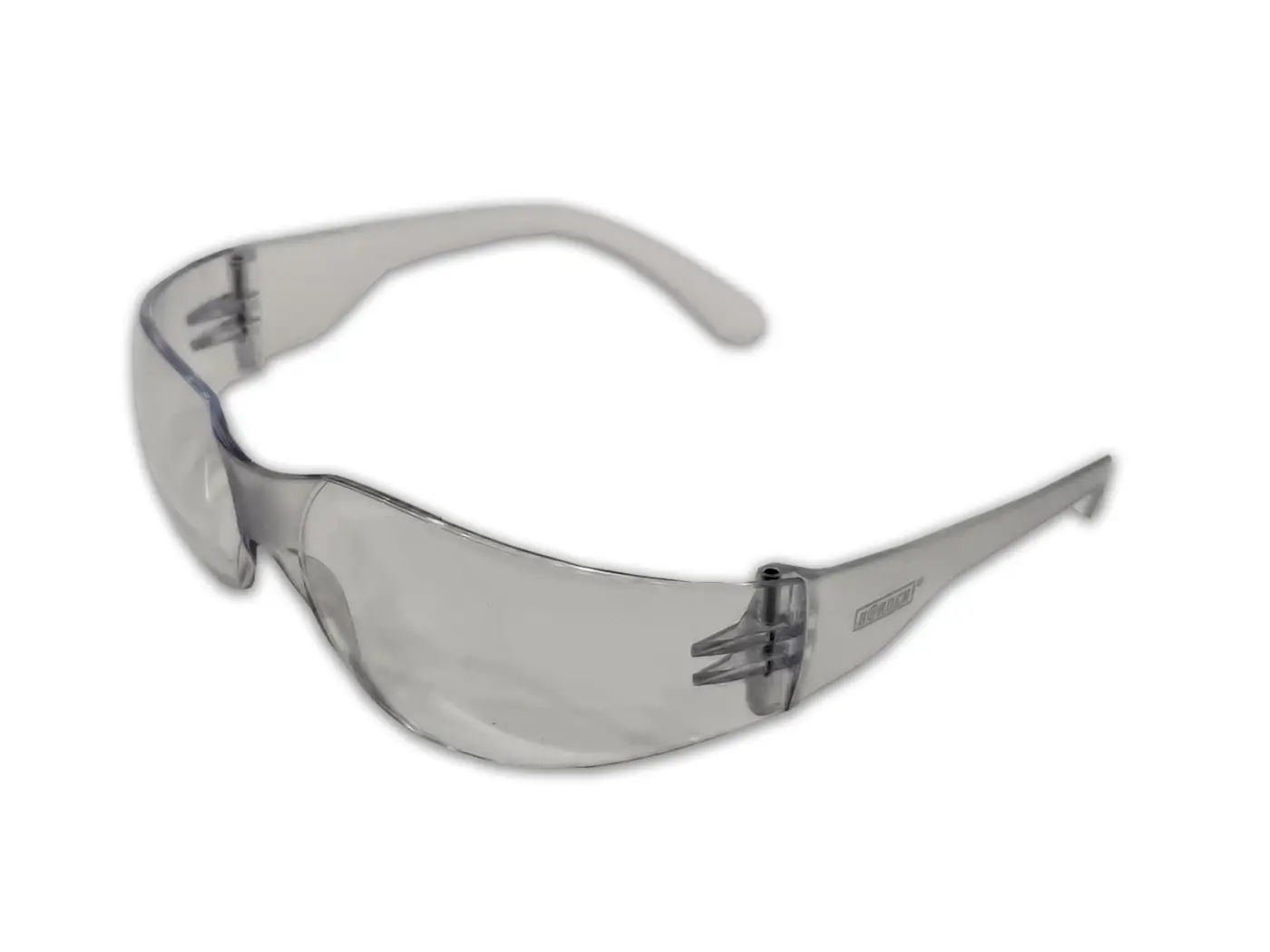
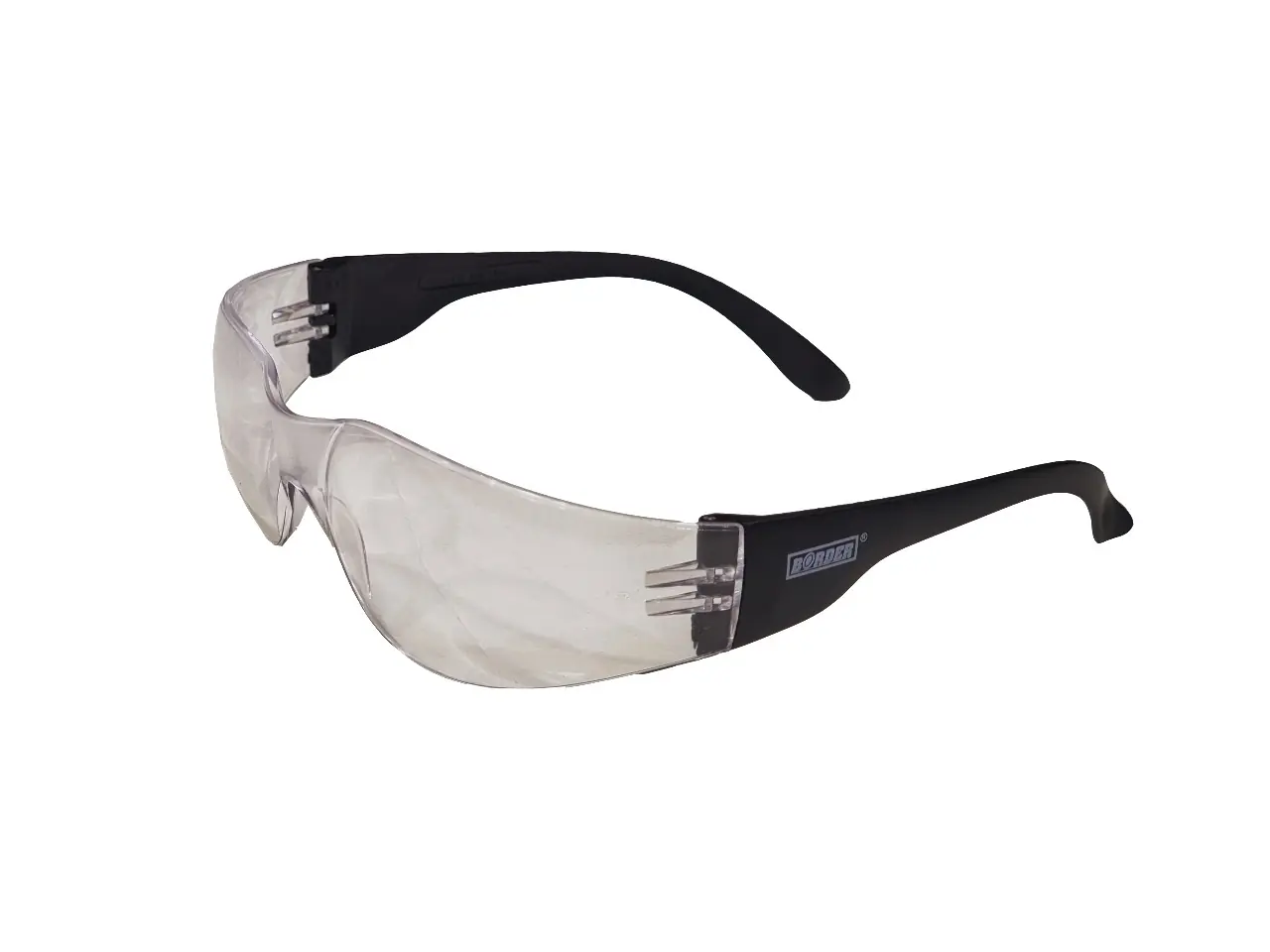
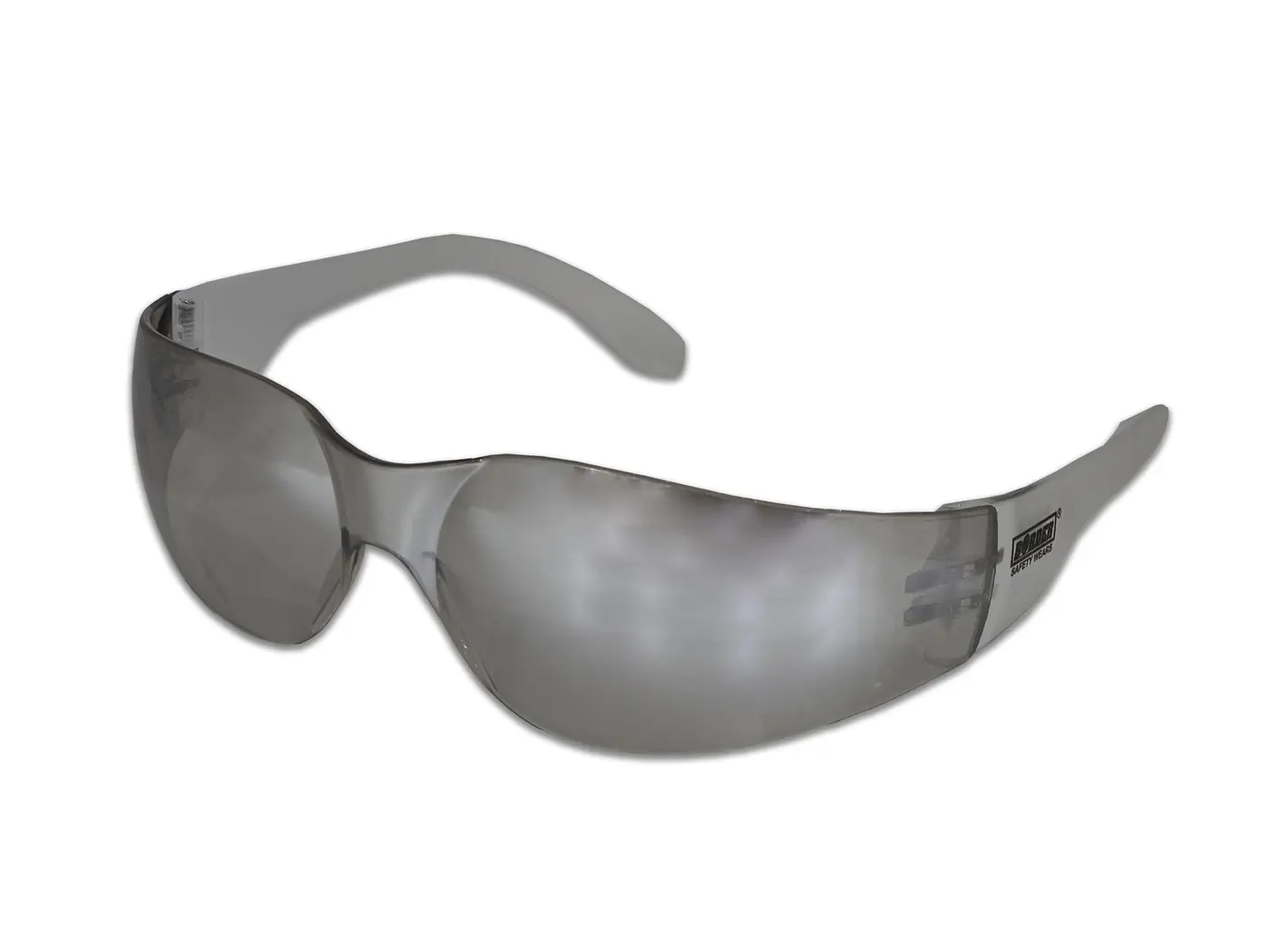
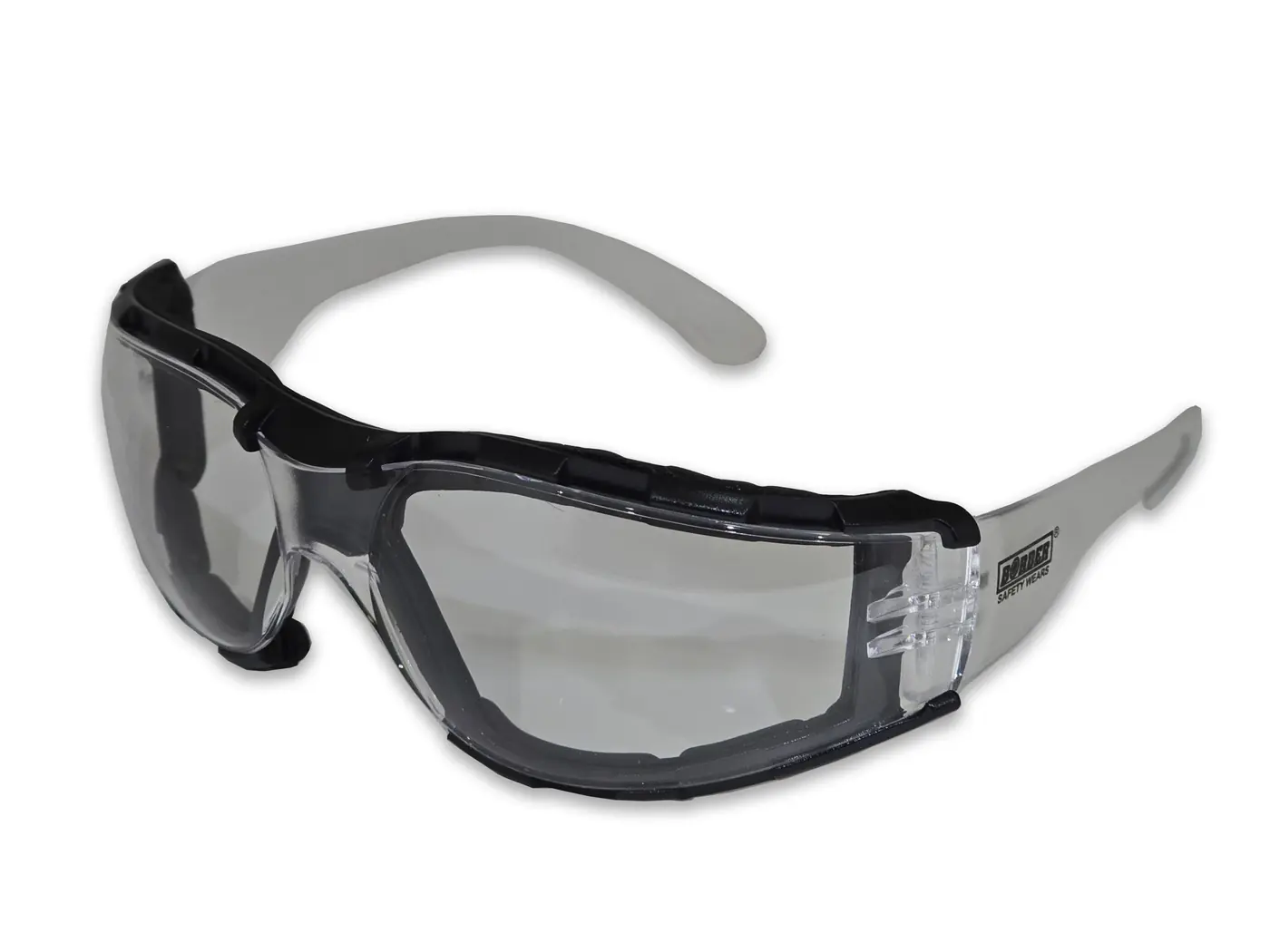
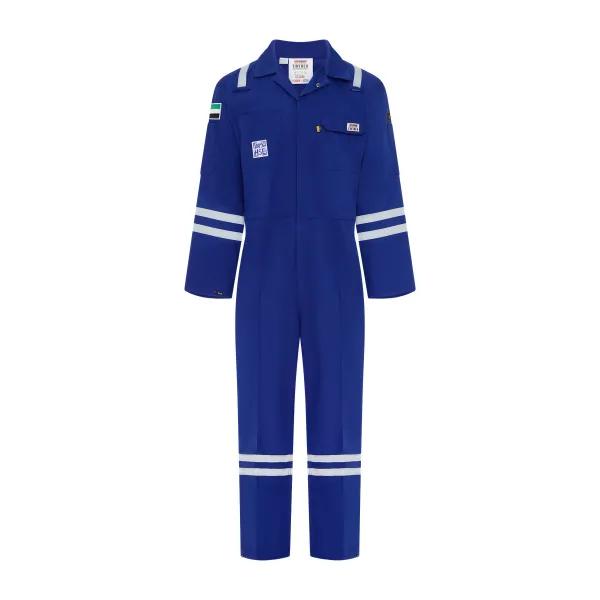
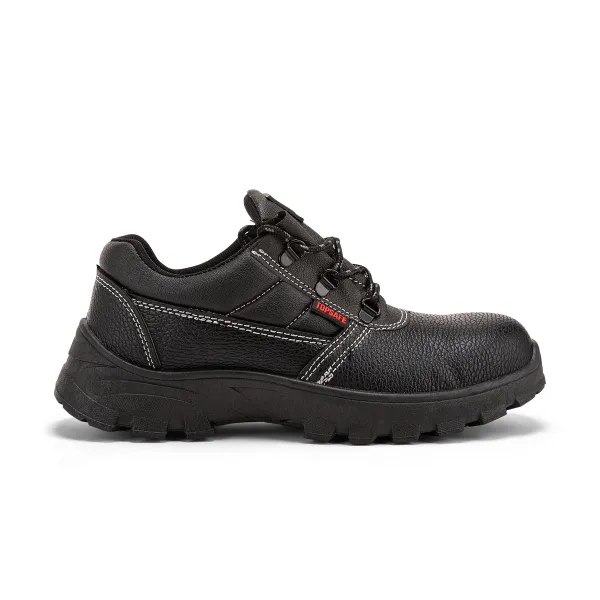
What is SAFETY GLASS BSG 0301 used for?
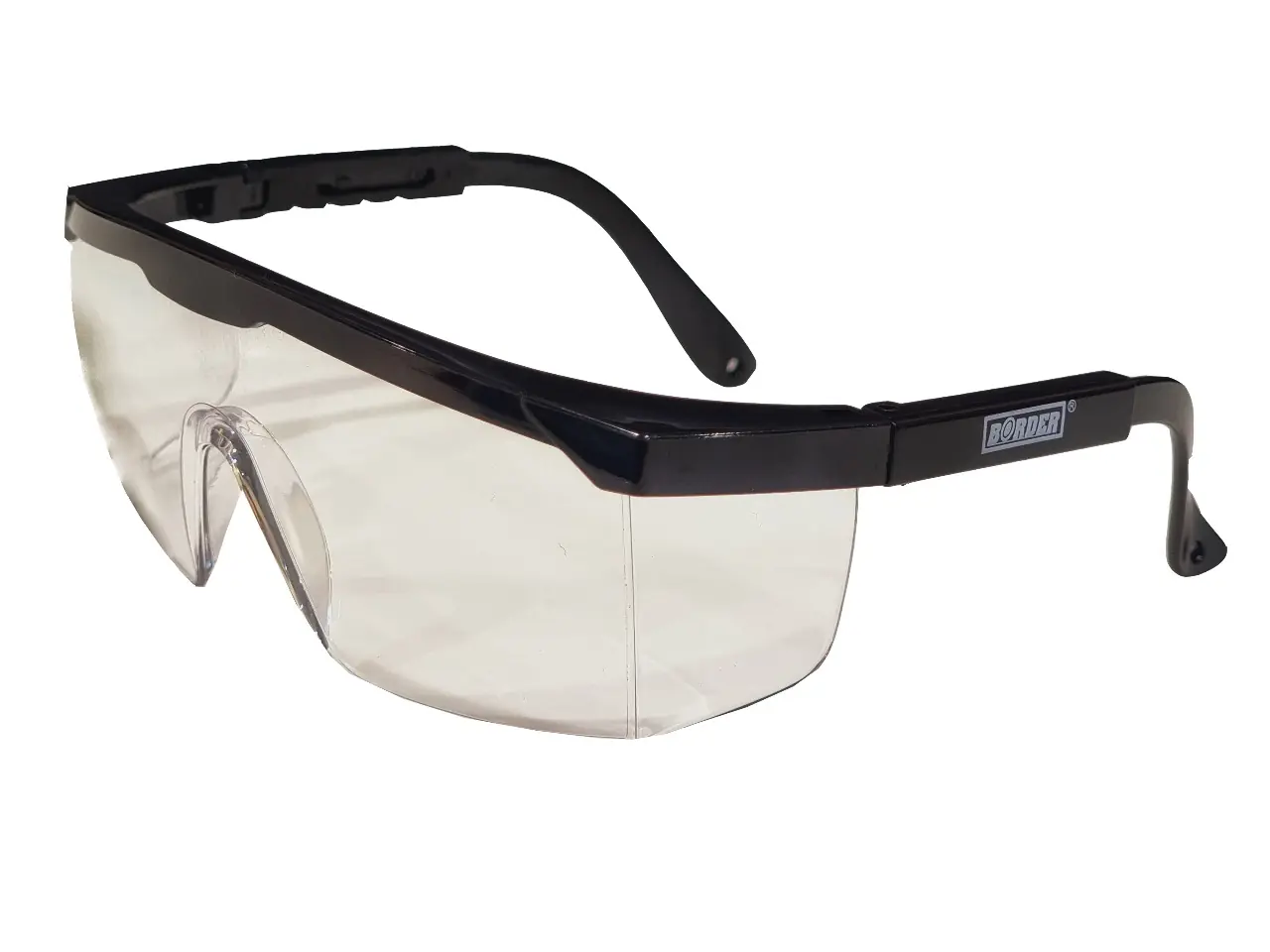
SAFETY GLASS BSG 0301 is a Border safety goggles model for industrial use. It is suited to workplaces where eye protection is required and where a practical, standard-size goggle is preferred.
What standards does SAFETY GLASS BSG 0301 meet?
It meets CE EN 166, EN 170, EN 172 and ANSI Z87.1. EN 166 is the general eye protection standard, while EN 170 and EN 172 relate to filters for ultraviolet and solar radiation.
What materials are used in SAFETY GLASS BSG 0301?
The goggles use a PC lens with a nylon with PC frame and nylon with PC leg construction. This combination gives the model a simple, work-focused build for everyday industrial use.
What do the mechanical strength and optical class mean for this model?
SAFETY GLASS BSG 0301 has mechanical strength F (45 m/s) and optical class 1. In practical terms, that means the goggles are tested for a defined impact level and are intended to provide clear optical performance.
Can I order SAFETY GLASS BSG 0301 in bulk?
Yes. Border PPE Trading LLC accepts bulk and corporate orders, and you can request a quote using the Request Quote button, by calling +971 54 446 7693, or by emailing info@borderppe.ae.
What is the difference between safety glasses and safety goggles?
Safety glasses protect the front and sides of the eyes against flying particles but leave gaps around the frame. Goggles seal against the face, so they can also keep out dust, liquid splashes and wind-blown sand. Use glasses for general site work and goggles for grinding, chemical splash risks and sandstorm conditions.
What does F mean on EN 166 safety glasses?
F is the mechanical strength grade for low-energy impact. It means the eyewear withstood a 6 mm steel ball at 45 metres per second. Grade B (120 m/s) is a higher level used on goggles and face shields, and grade A is reserved for face shields.
Are ANSI Z87.1 safety glasses accepted in the UAE?
There is no single UAE rule, so acceptance depends on the project or client HSE specification. Specifications based on US practice usually ask for ANSI Z87.1, and European-led ones for EN 166. Eyewear marked to both, as the Border range is listed, fits most tender specs.
Can tinted safety glasses be used for outdoor work?
Yes. A smoke lens made as a sunglare filter to EN 172 reduces glare for outdoor crews in strong sun. Tinted lenses should not be used indoors in poor light or on night shifts, and they are not welding filters.
What eye protection is best during a sandstorm?
A goggle that seals to the face is better than open safety glasses, because fine sand gets in around an open frame. Look for the 4 marking on the frame, which shows the goggle was tested against large dust particles, and wear a dust mask at the same time.
How often should safety glasses be replaced?
There is no fixed interval. Replace safety glasses after any impact, or when the lens is scratched, cracked or hazy, or the frame is loose or bent. In dusty Gulf conditions, scratching is the most common reason to replace them.
 Tap to enlarge