What is the Border BRW 0910 Rescue Winch used for?
The Border BRW 0910 Rescue Winch is used for raising and lowering personnel and equipment during confined space operations. It is suitable for rescue and recovery work in shafts, tanks, silos and manholes.
What standard does the Rescue Winch meet?
The Rescue Winch meets EN 1496:2017. This is the relevant rescue-lifting standard for equipment used in personal rescue situations, so it is intended for controlled rescue and evacuation support.
What are the main construction and rope details of the BRW 0910?
The BRW 0910 is made from alloy steel and uses a 5 mm stainless steel wire rope. The wire rope length is available from 10 m to 35 m, with a maximum lifting distance of 35 m.
Is the Rescue Winch suitable for one user only?
Yes, the Rescue Winch has a rated user capacity of 1 user. Its maximum rated load is 140 kg, which is the working limit stated for the unit.
Can I order the Border BRW 0910 Rescue Winch in bulk?
Yes, bulk and corporate orders are available. You can request a quote using the Request Quote button on the product page, or contact Border PPE by phone or email.
What is EN 361 for a full body harness?
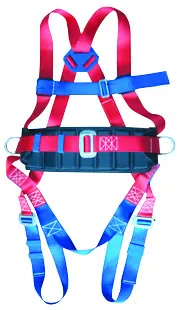
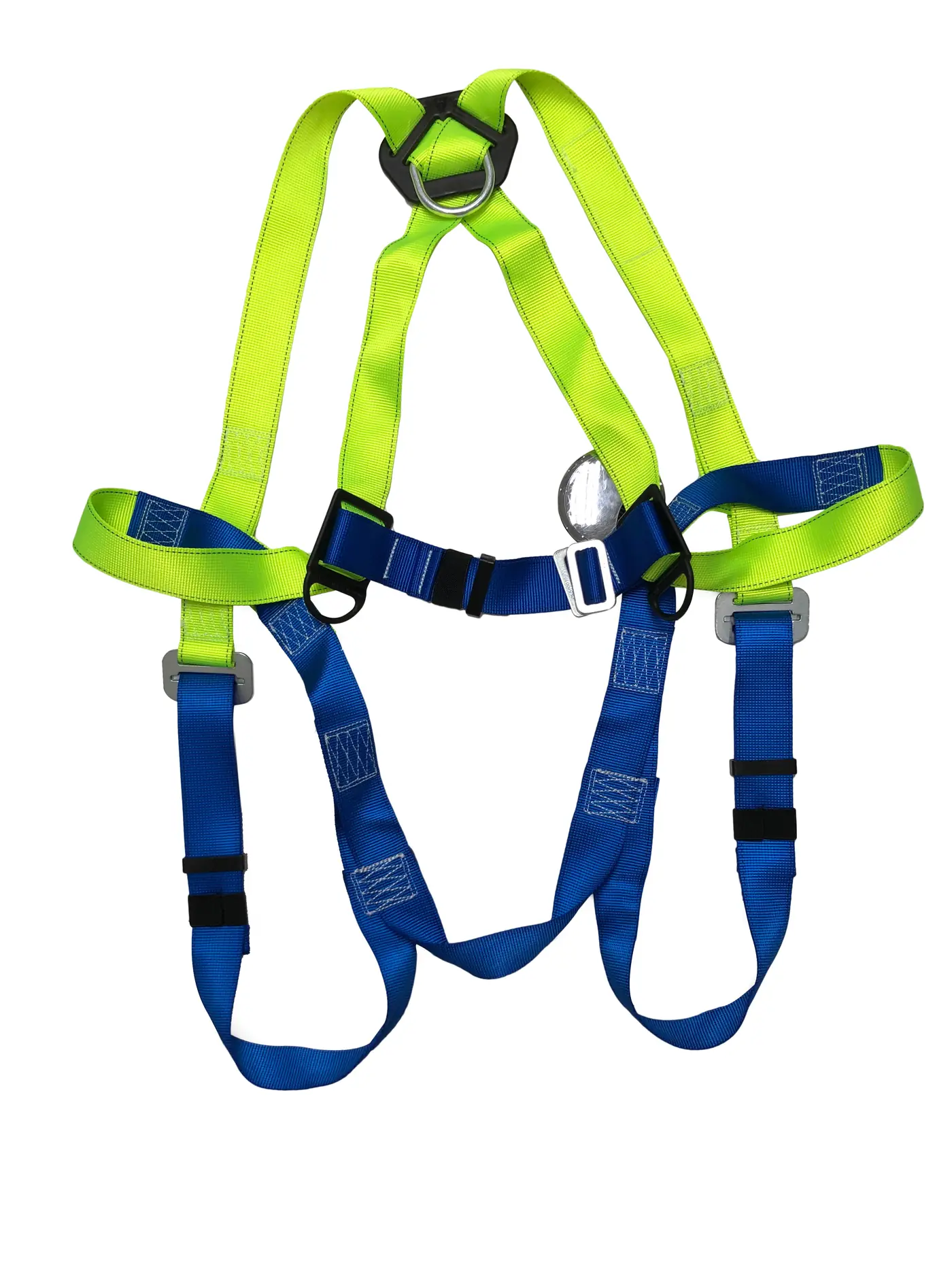
EN 361 is the European standard for full body harnesses used in personal fall arrest systems. It covers design, strength and marking, and the fall arrest attachment points on a compliant harness are marked with the letter A. Check the label on the harness itself, not only the paperwork.
When is fall protection required on UAE sites?
Fall protection is needed wherever a worker can fall from height, such as at open edges, floor openings, scaffolds, roofs and ladders. The exact trigger height is set by the project HSE plan and the local authority's OSH rules, and many sites apply it from about 2 m. Collective protection such as guardrails comes first, with harnesses used where those are not practical.
What is the difference between a full body harness and a safety belt?
A full body harness spreads the force of a fall across the thighs, pelvis, chest and shoulders and is the only body holding device allowed for fall arrest. A work positioning or restraint belt to EN 358 holds the worker in place or stops them reaching an edge, but must not be used to arrest a fall.
How often should a safety harness be inspected or replaced?
The user should check the harness before every use. EN 365 calls for a detailed examination by a competent person at least every 12 months, and many UAE sites do it every 6 months because of heat and UV. Replace a harness after any fall, or if the webbing is cut, burned, faded or stiff, or the stitching is damaged.
When should I use a retractable fall arrester instead of a lanyard?
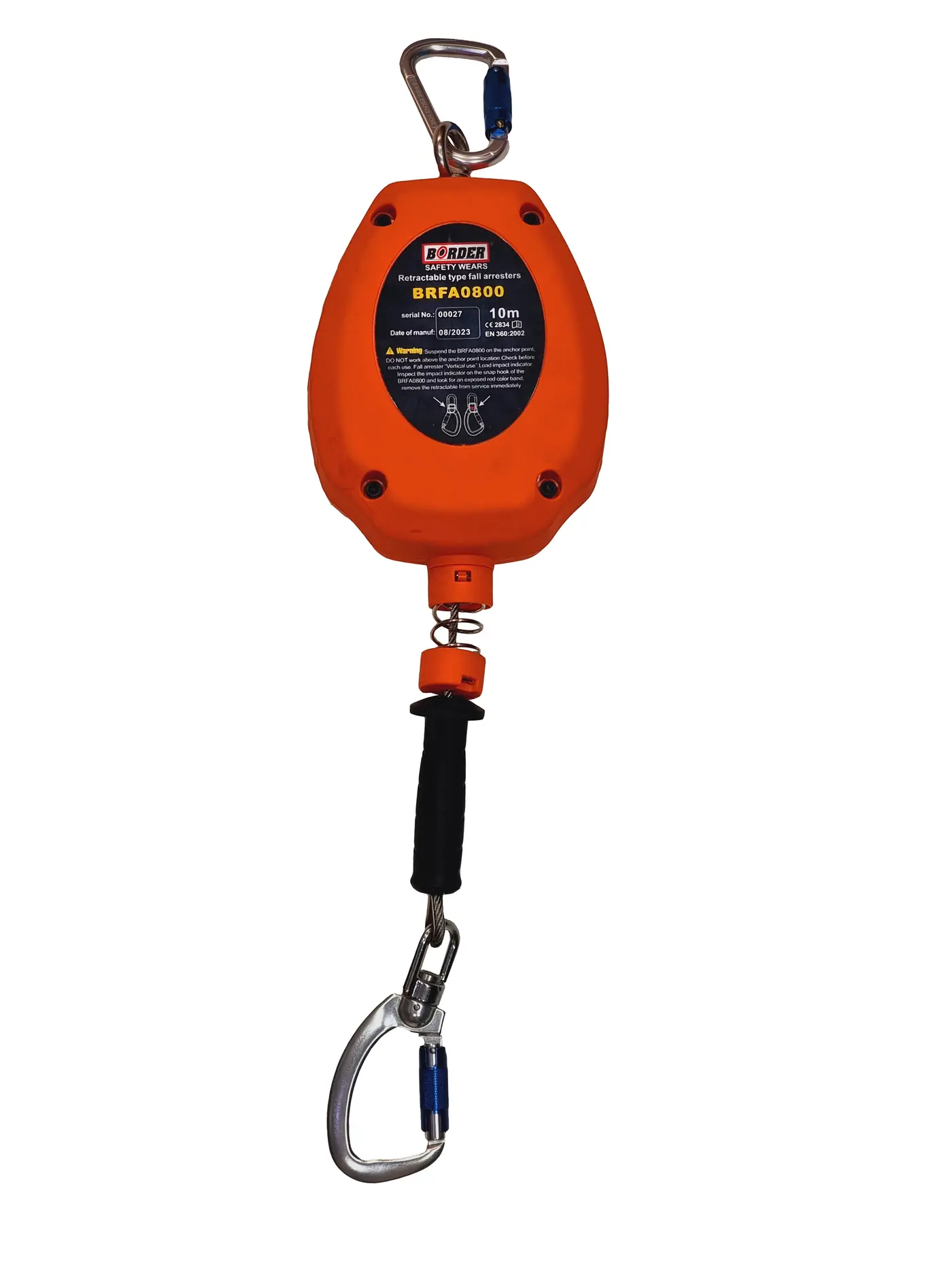
A retractable fall arrester to EN 360 is useful where the worker moves around below an overhead anchor, or where there is not enough clearance for a lanyard with an energy absorber, because it locks quickly and keeps fall distance short. Check the line length, maximum user load and arrest distance against the task.
What equipment is needed for confined space rescue?
A typical rescue setup is an anchor over the opening, such as a tripod to EN 795, a rescue winch or lifting device to EN 1496, and a full body harness on the entrant. The rescue plan, trained standby team and gas testing must be in place before anyone enters.
 Tap to enlarge