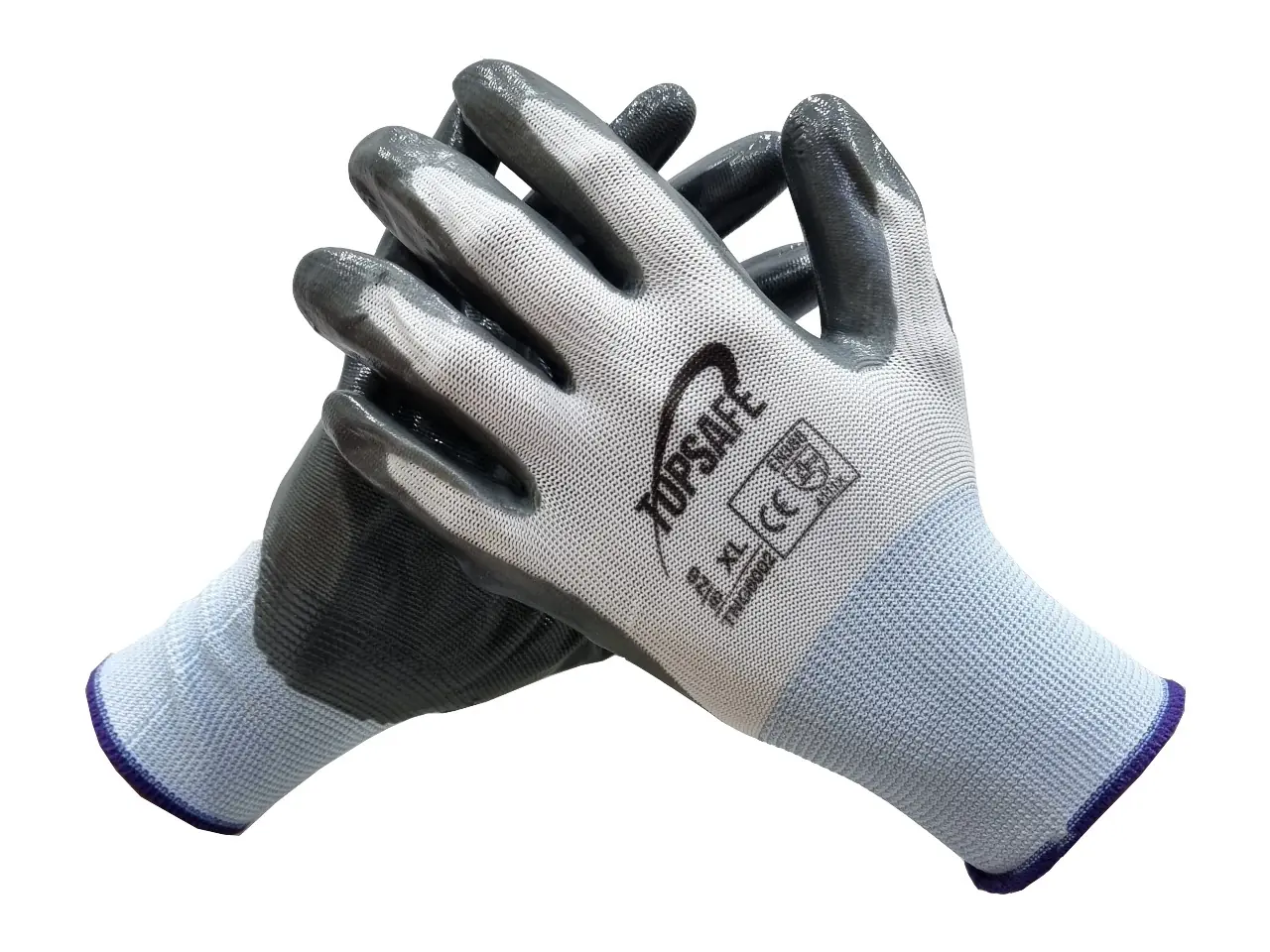
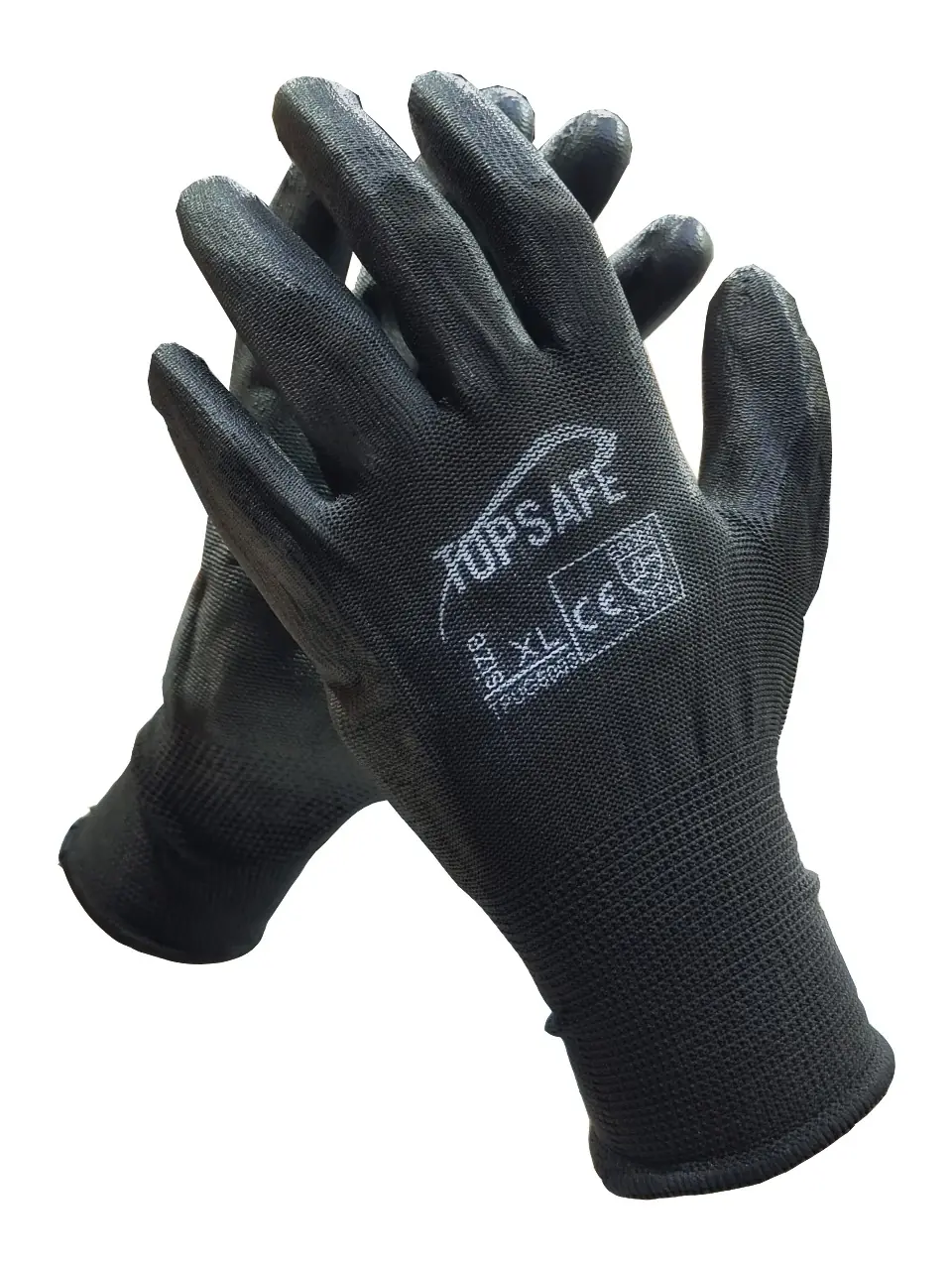
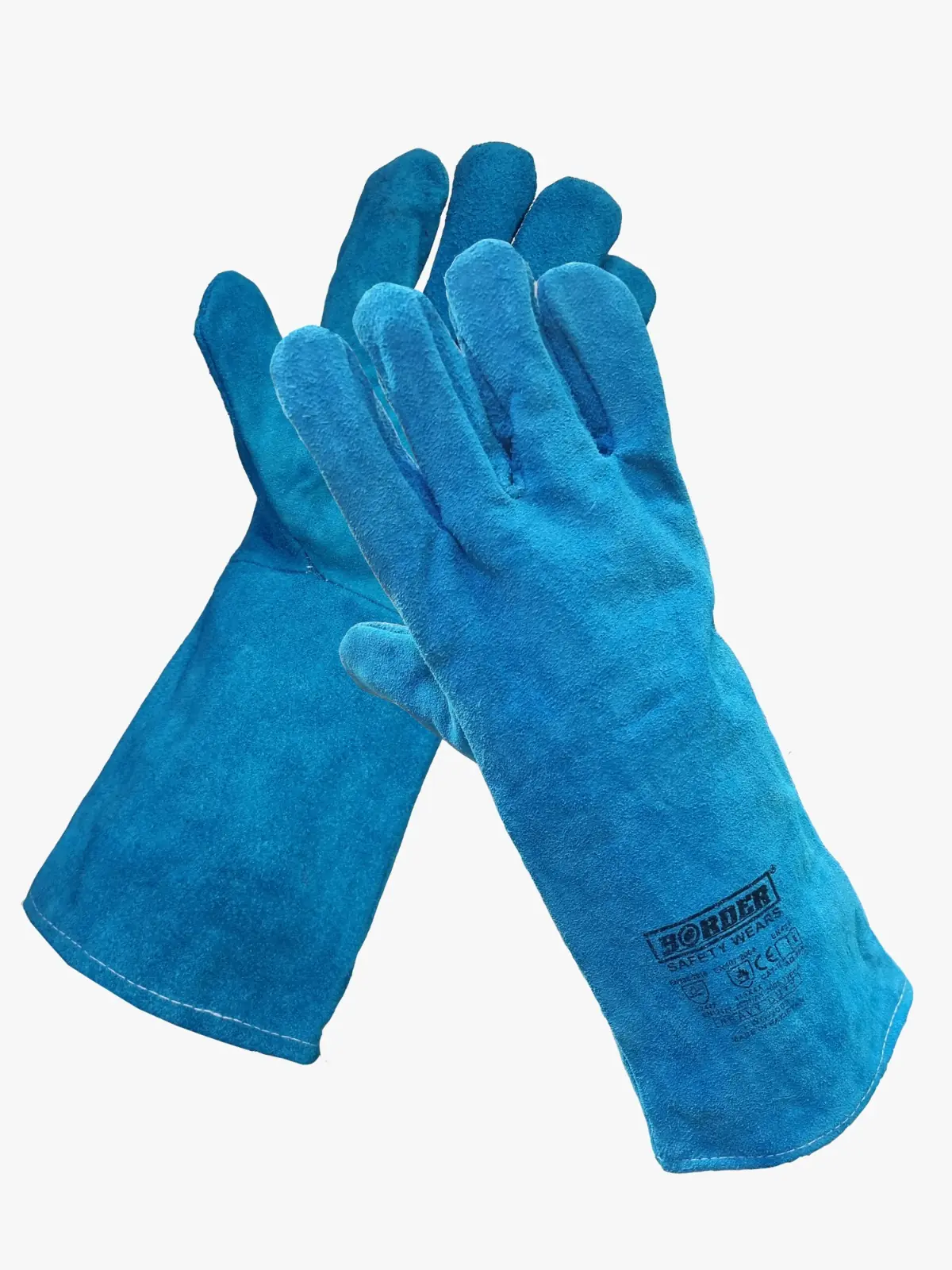
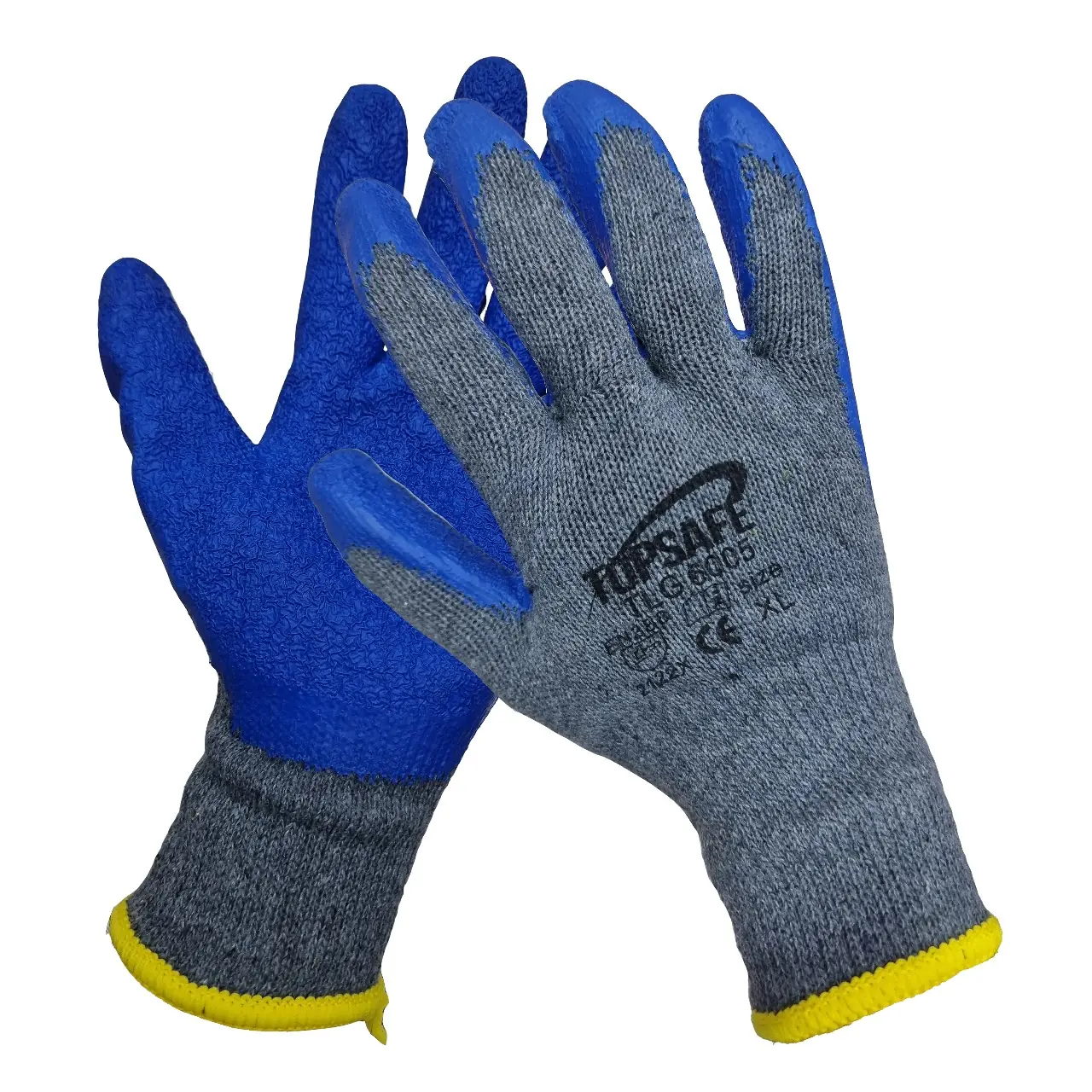
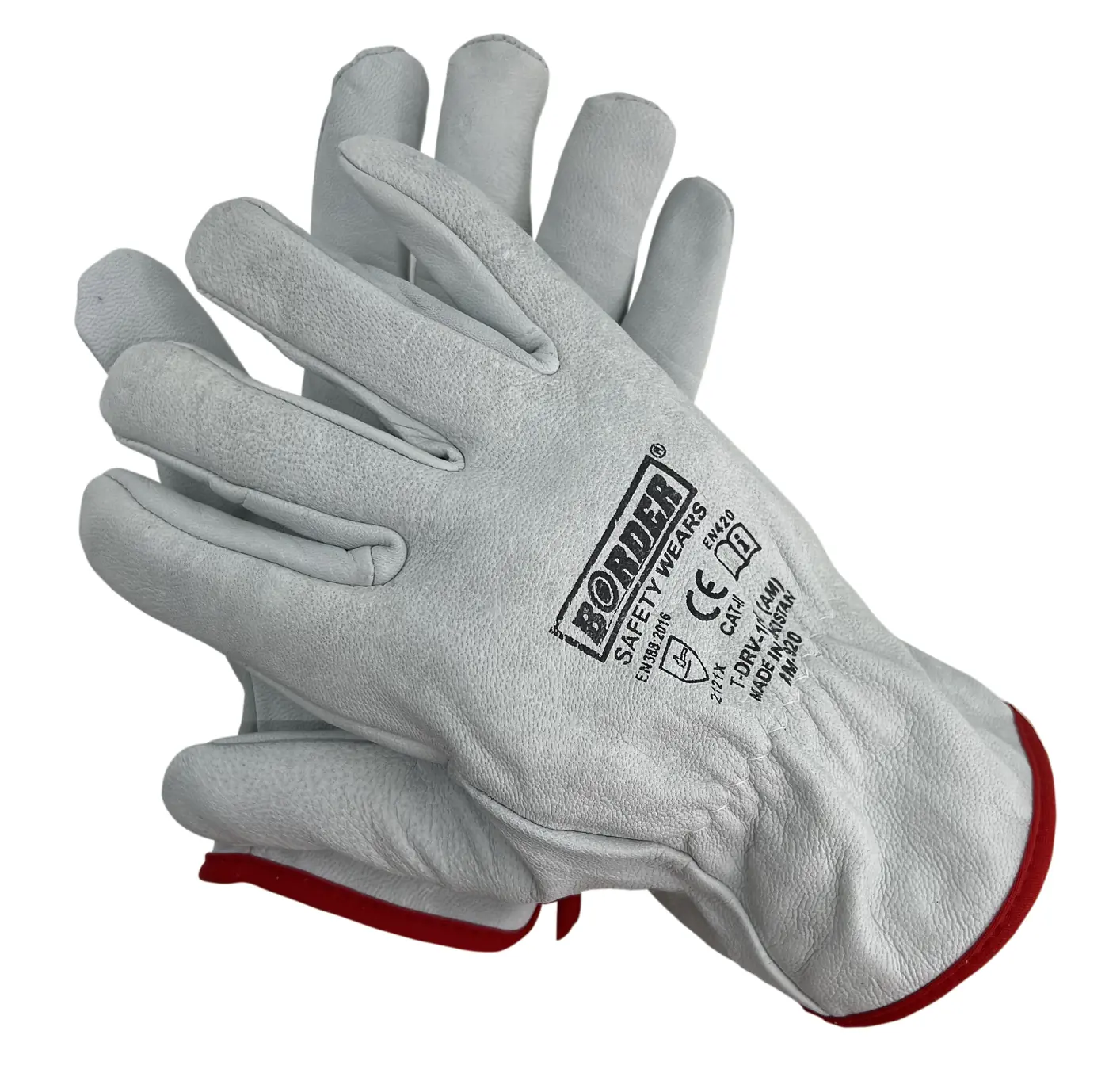
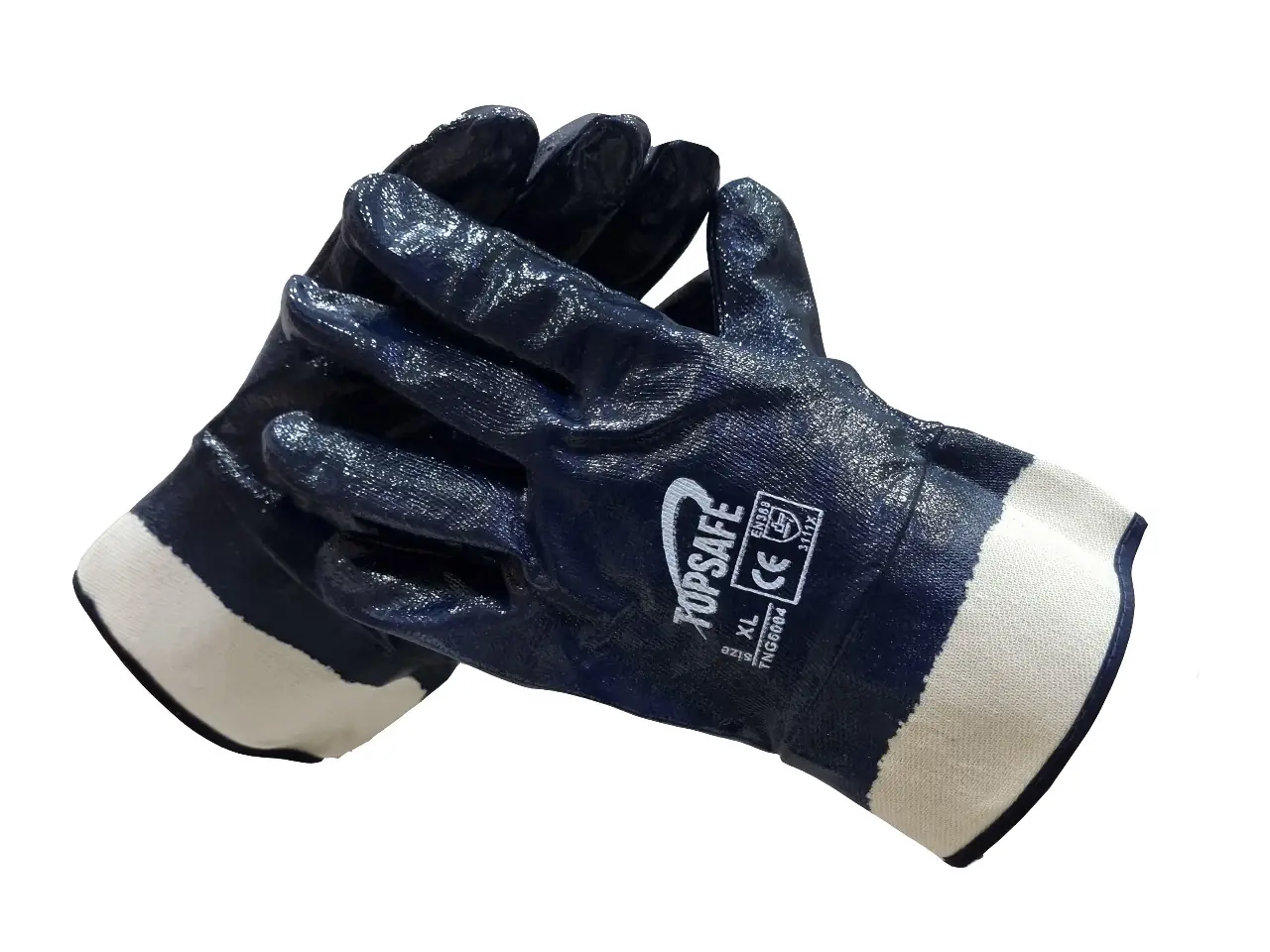
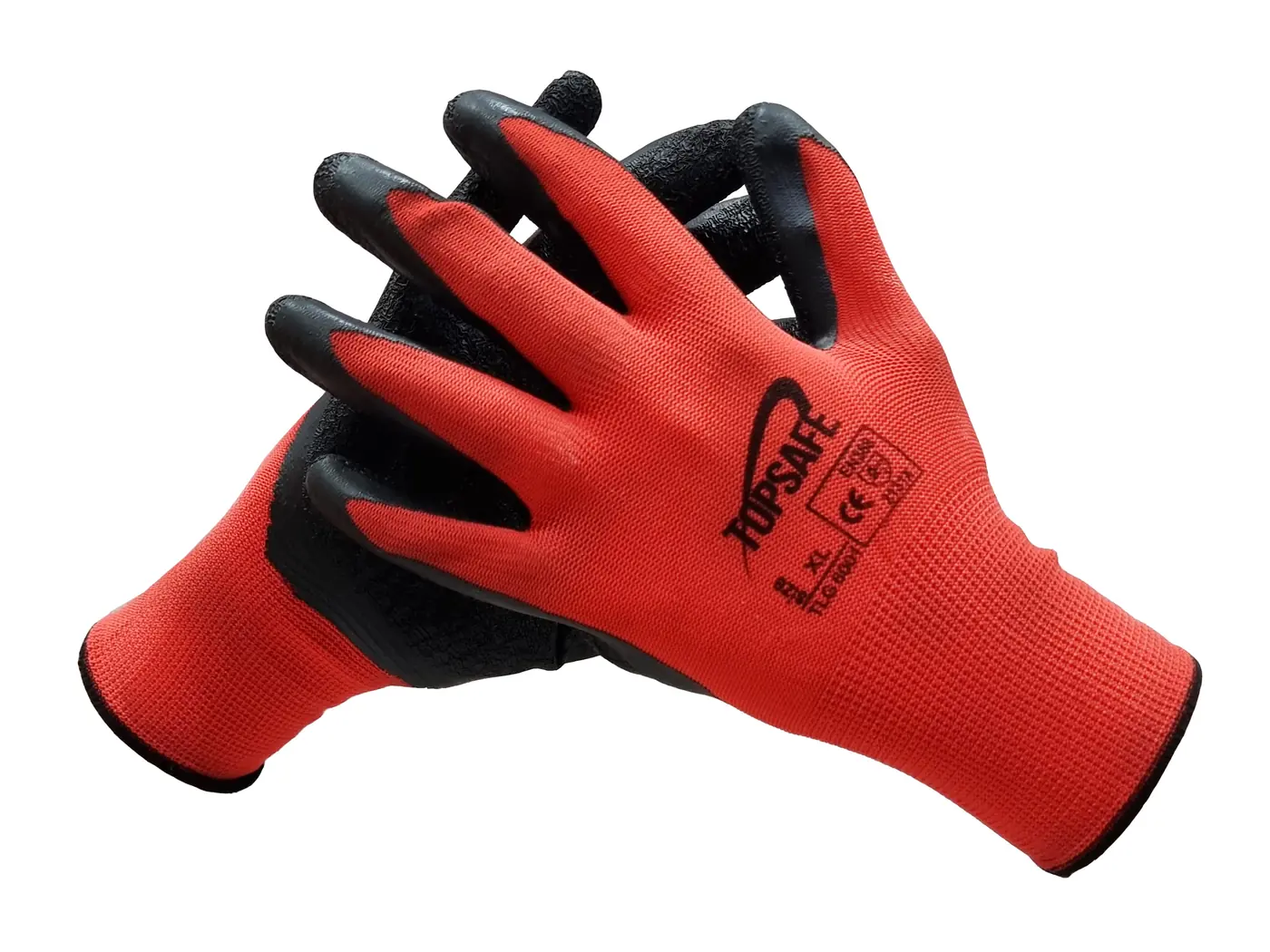
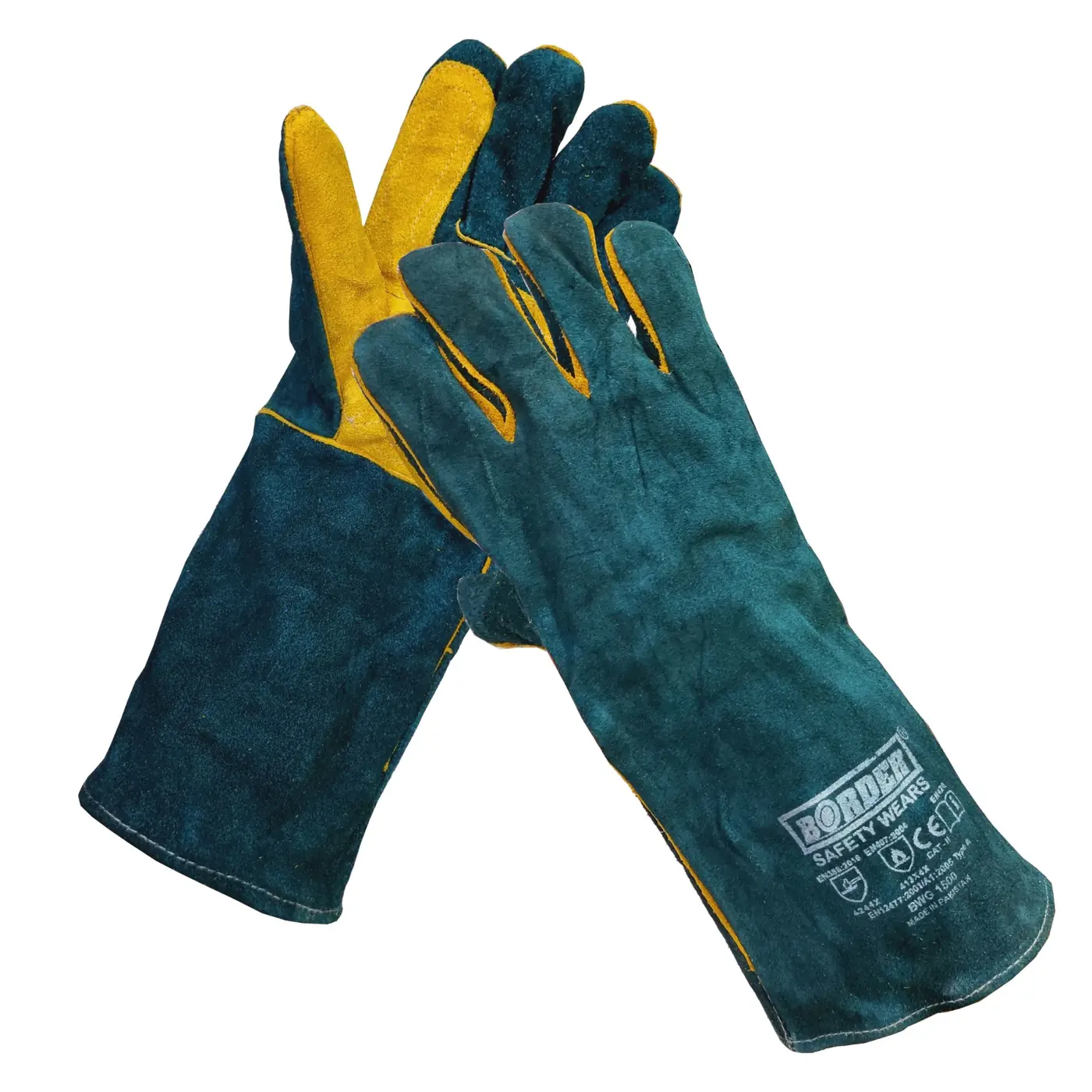
What are Double Side Blue Dotted Gloves BDG 2506 used for?
Double Side Blue Dotted Gloves BDG 2506 are intended for general workplace use where hand protection is needed. They are suitable as a basic safety glove option for routine handling tasks.
What makes Double Side Blue Dotted Gloves different?
The listed variant detail is that the gloves are double side blue dotted. No further differences such as material, thickness, sizes or certification information are provided.
Are these Border gloves part of the hand protection range?
Yes. Double Side Blue Dotted Gloves BDG 2506 are Border safety gloves in the Hand Protection category and the Safety Gloves sub-category.
Do Double Side Blue Dotted Gloves BDG 2506 have any stated standards or certifications?
No standards, certification classes or test values are stated for this product. The listing should therefore be used as a general product reference rather than for a specific performance claim.
Can I request a quote for bulk orders of Double Side Blue Dotted Gloves?
Yes. Border PPE Trading LLC accepts bulk and corporate orders and buyers can request a quote through the product page or by contacting the team directly.
What do the numbers on EN 388 gloves mean?
EN 388:2016 gives four digits and a letter. The digits are abrasion (0 to 4), coupe cut (0 to 5), tear (0 to 4) and puncture (0 to 4), and the letter is the ISO 13997 cut level from A to F. An X means that property was not tested, and a P at the end means the glove passed the impact test.
Is cut level 5 the same as cut level F?
No. Level 5 is the top of the older coupe test scale, which is the second digit in the EN 388 code. Level F is the top of the ISO 13997 scale, shown as the letter, and means the material resisted at least 30 newtons. The two tests work differently, so compare gloves using the letter where it is given.
What cut level do I need?
Your risk assessment decides, but as a rough guide general handling and packing need little cut resistance, while sheet metal, glass and sharp-edged steel generally call for level C or higher. Look at the ISO 13997 letter rather than the coupe digit when comparing cut gloves.
Nitrile or latex coated gloves: which should I choose?
Nitrile coatings hold up well against oil and grease, so they suit maintenance, mechanical and automotive work. Latex coatings are flexible and give strong grip on rough materials such as blocks and timber. Some people are sensitive to natural rubber latex, so nitrile or PU is the safer choice for mixed crews.
Are EN 388 gloves suitable for chemical handling?
Not on the strength of EN 388 alone, as it covers mechanical risks only. Chemical protection is tested under EN ISO 374, so check for that marking and the chemicals listed before using any glove with solvents, acids or alkalis.
Can you supply safety gloves in bulk across the UAE and GCC?
Yes. We supply bulk and repeat glove orders with delivery within 24 hours across the UAE, and ship to Saudi Arabia, Qatar, Oman, Kuwait and Bahrain. Corporate accounts and volume pricing are available, and quotes can be requested through the Add to quote button or WhatsApp.
 Tap to enlarge