What are Border Cut Resistant Gloves used for?
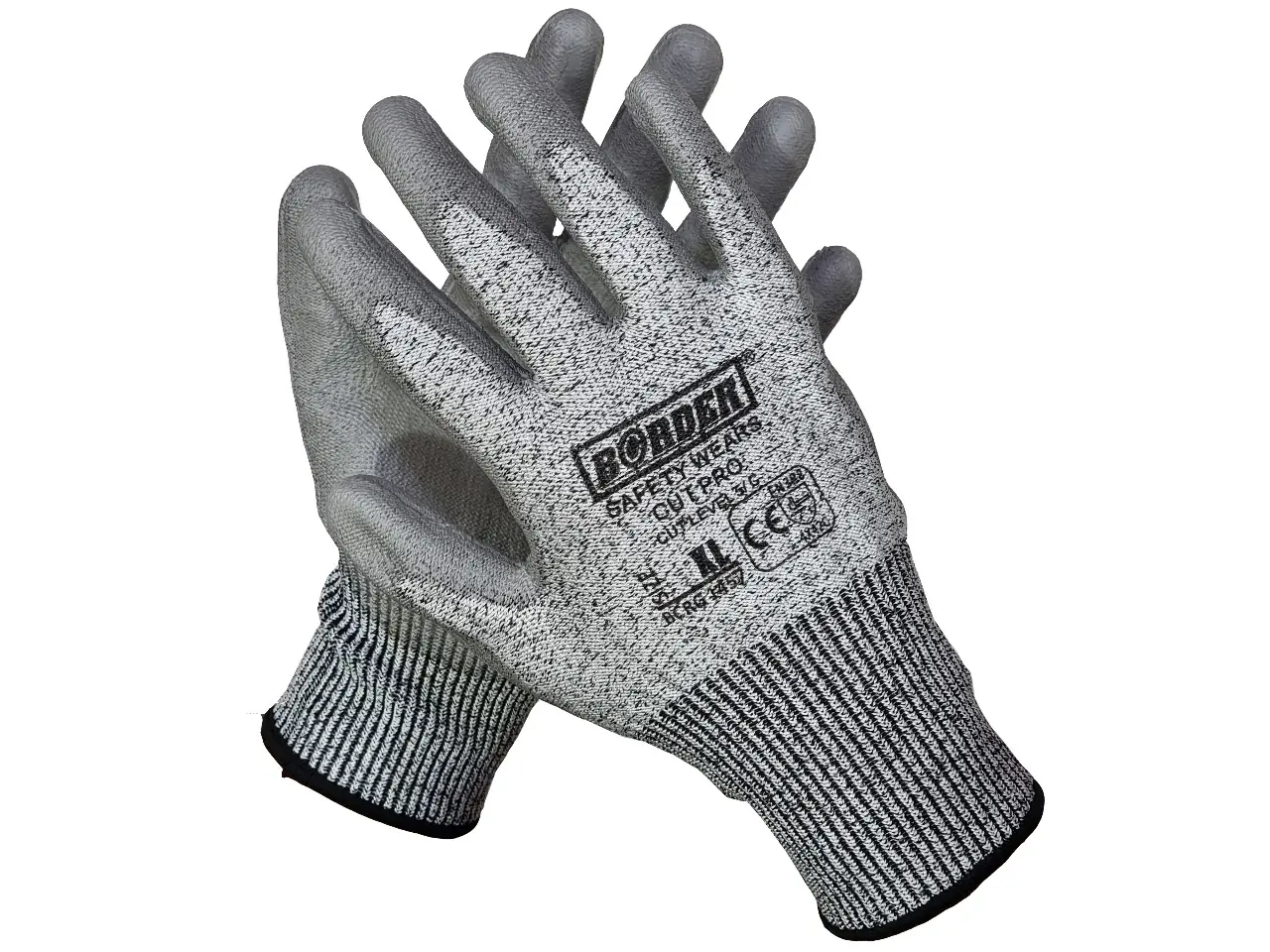
Border Cut Resistant Gloves are designed for industrial hand protection where cut resistance and abrasion resistance are important. They suit handling tasks and work environments that expose hands to mechanical hazards.
What does EN 388:2016 Level C mean for these gloves?
EN 388:2016 is a standard for protective gloves against mechanical risks. Level C indicates the glove has been assessed for cut resistance at that level, helping buyers understand its intended protection category.
What materials are used in the Border Cut Resistant Gloves?
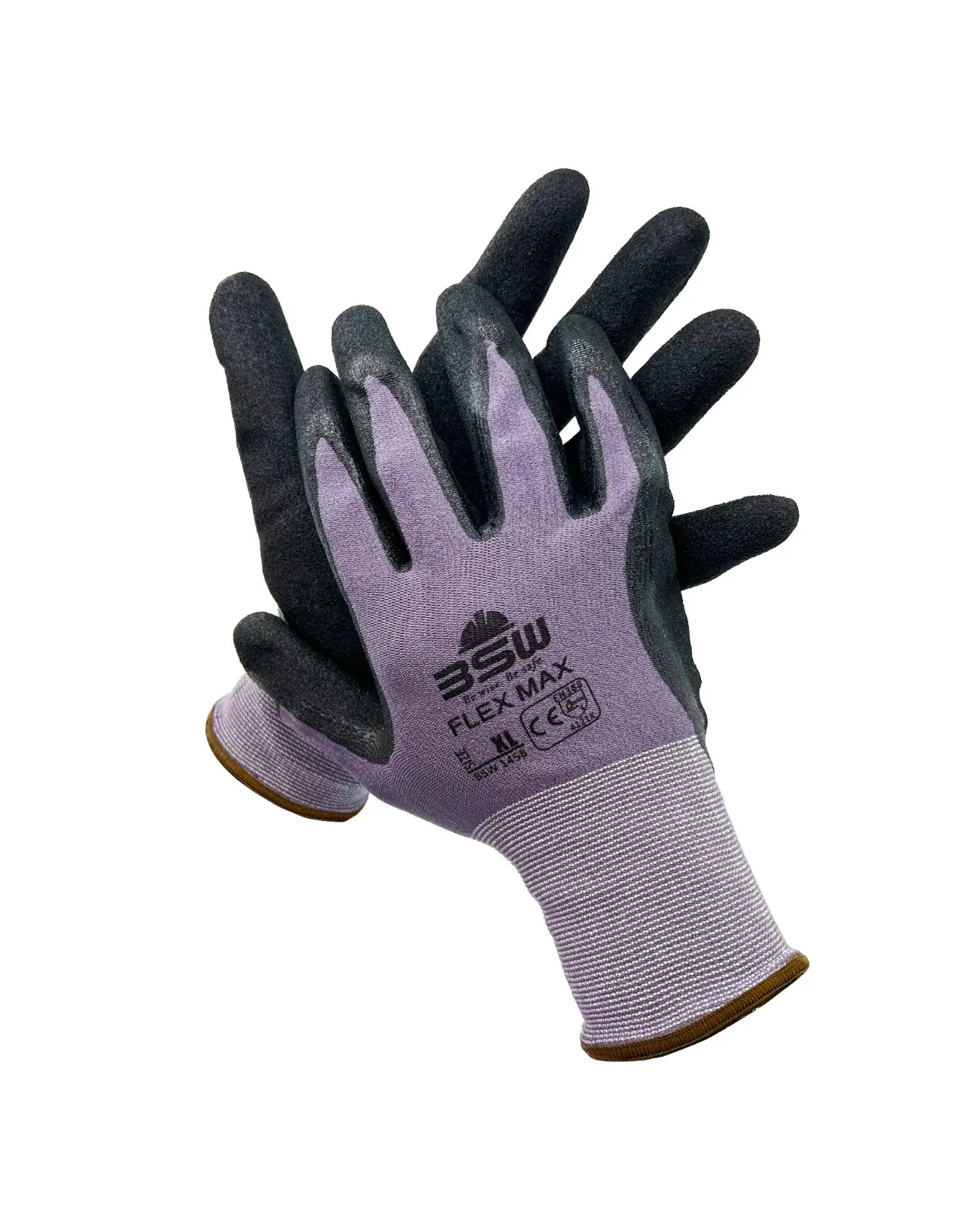
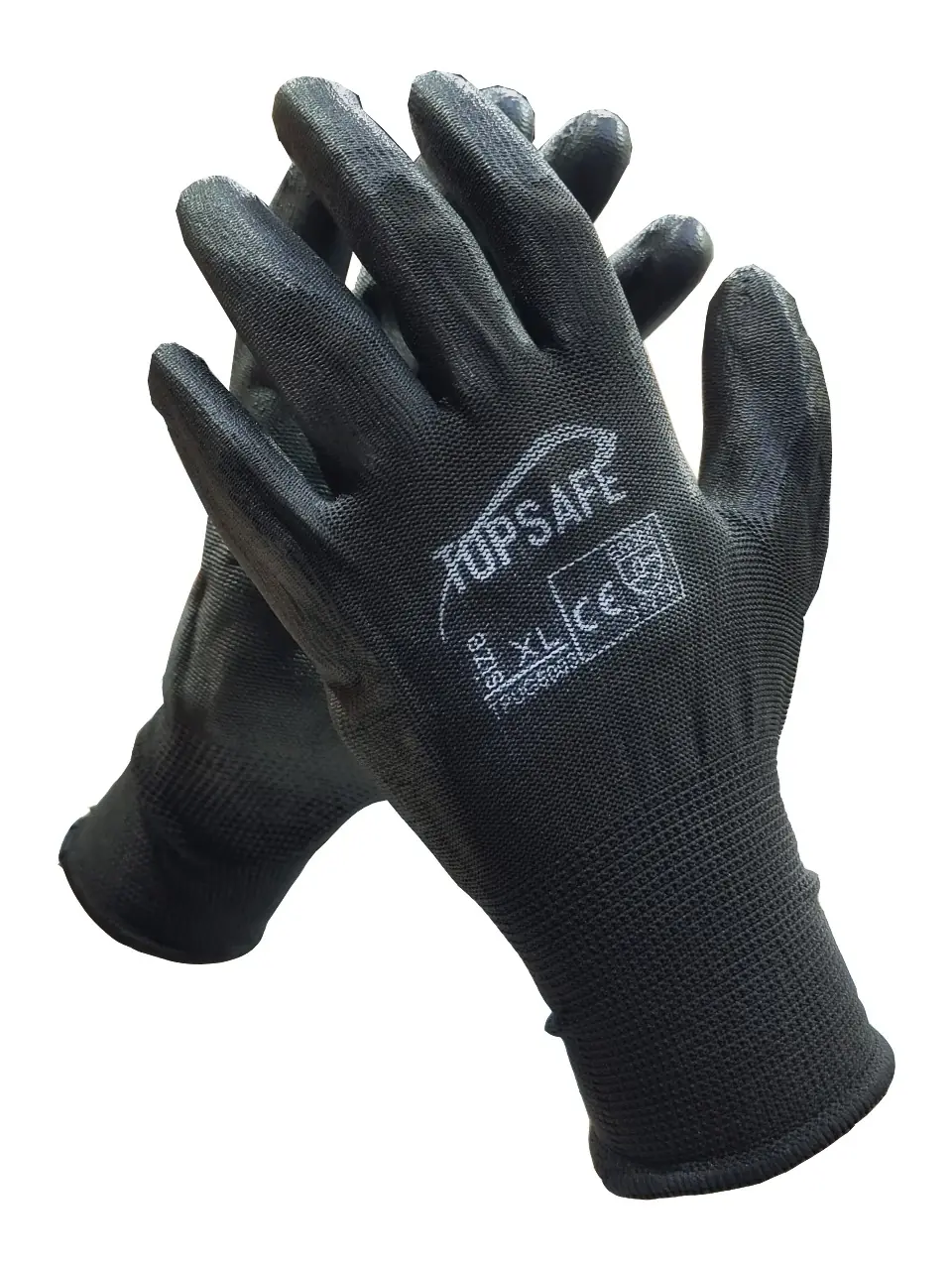
These gloves use a 13G HPPE shell with a PU coating. That construction combines a cut-resistant base with a coated outer finish for industrial use.
What sizes are available for Border Cut Resistant Gloves BCRG 1457?
Border Cut Resistant Gloves BCRG 1457 are available in sizes M to XL. This makes it easier to select a suitable fit for different users.
Can I request bulk orders for Border Cut Resistant Gloves?
Yes, bulk and corporate orders are available through Border PPE Trading LLC. You can request a quote using the Request Quote button, or contact the team by phone or email.
What do the numbers on EN 388 gloves mean?
EN 388:2016 gives four digits and a letter. The digits are abrasion (0 to 4), coupe cut (0 to 5), tear (0 to 4) and puncture (0 to 4), and the letter is the ISO 13997 cut level from A to F. An X means that property was not tested, and a P at the end means the glove passed the impact test.
Is cut level 5 the same as cut level F?
No. Level 5 is the top of the older coupe test scale, which is the second digit in the EN 388 code. Level F is the top of the ISO 13997 scale, shown as the letter, and means the material resisted at least 30 newtons. The two tests work differently, so compare gloves using the letter where it is given.
What cut level do I need?
Your risk assessment decides, but as a rough guide general handling and packing need little cut resistance, while sheet metal, glass and sharp-edged steel generally call for level C or higher. Look at the ISO 13997 letter rather than the coupe digit when comparing cut gloves.
Nitrile or latex coated gloves: which should I choose?
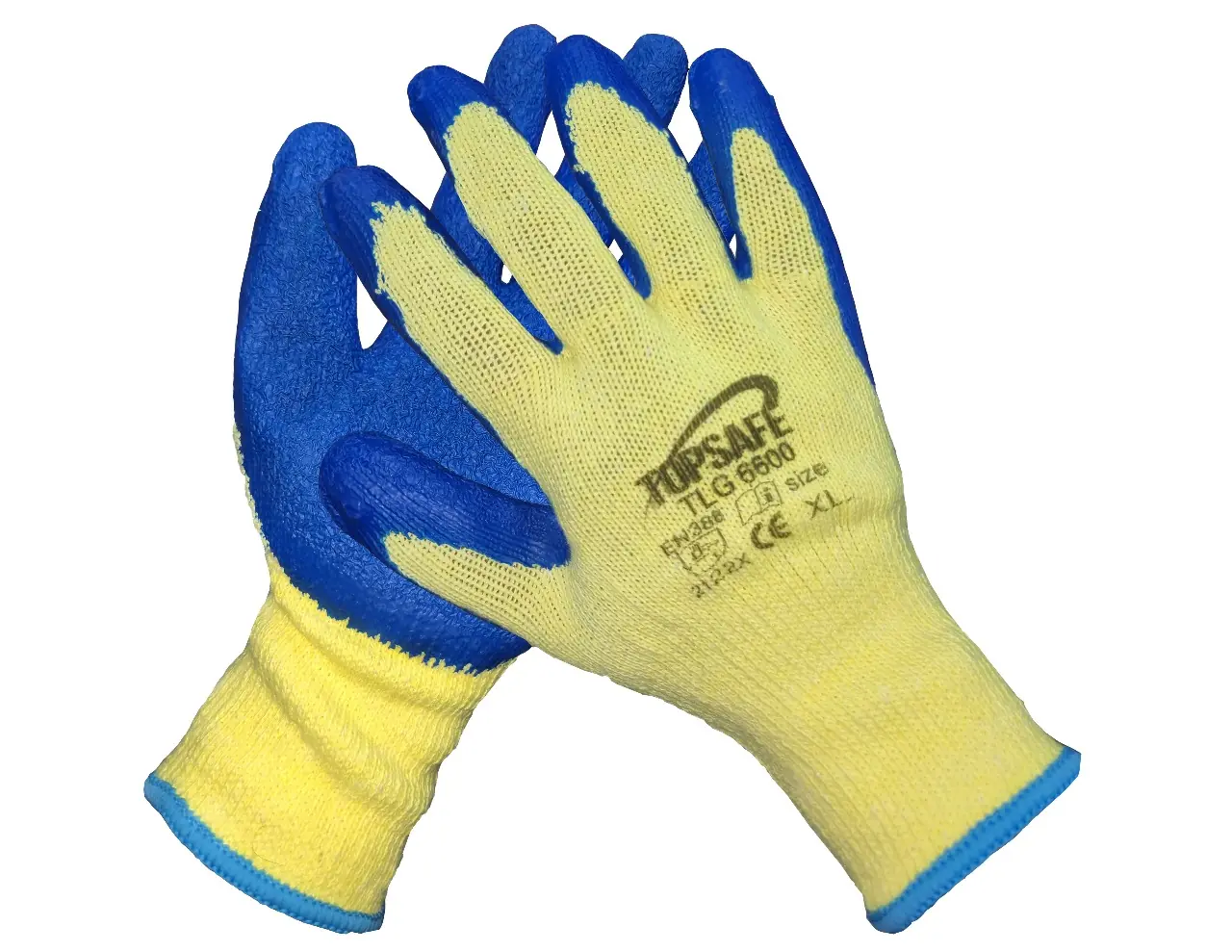
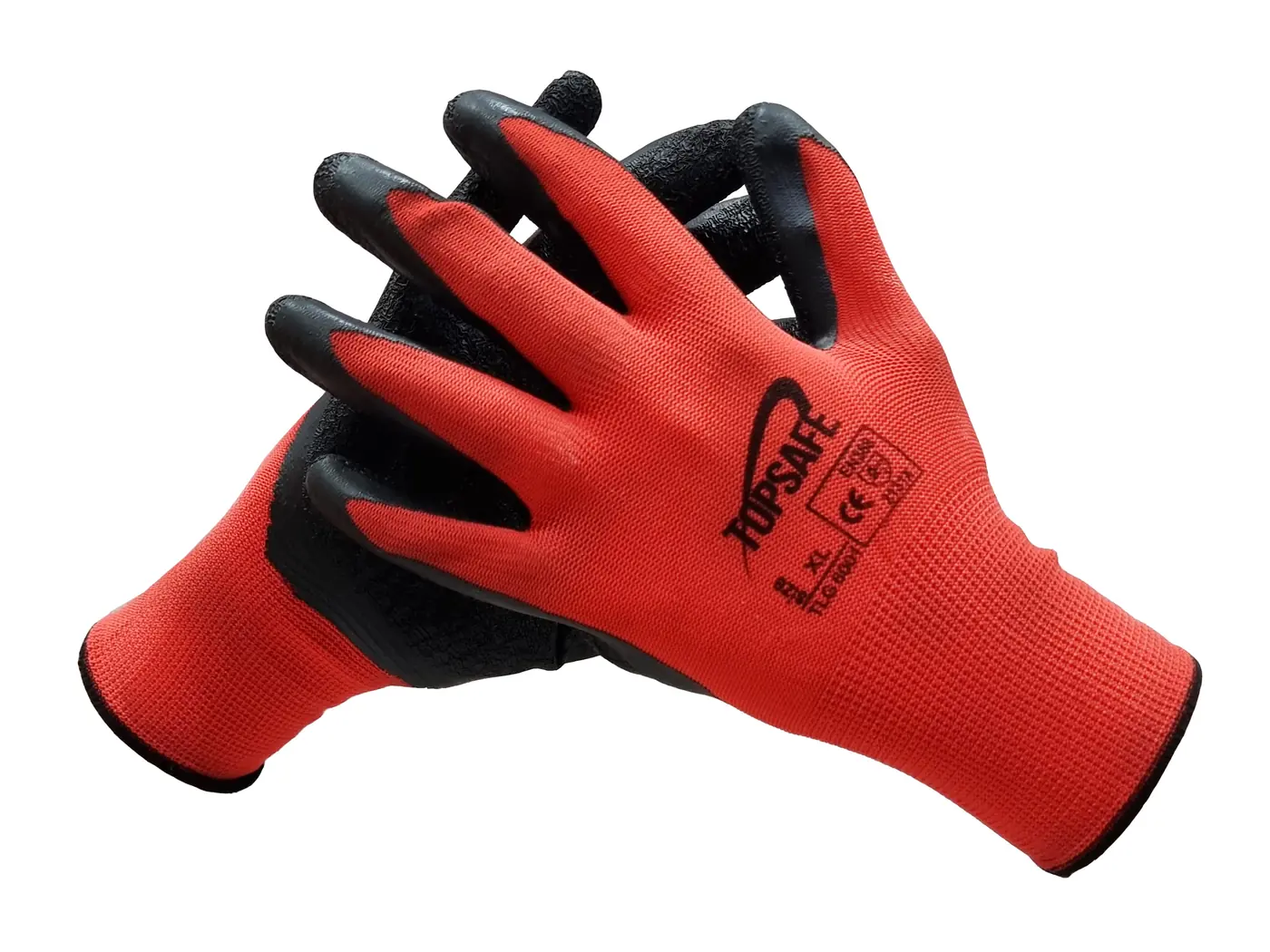
Nitrile coatings hold up well against oil and grease, so they suit maintenance, mechanical and automotive work. Latex coatings are flexible and give strong grip on rough materials such as blocks and timber. Some people are sensitive to natural rubber latex, so nitrile or PU is the safer choice for mixed crews.
Are EN 388 gloves suitable for chemical handling?
Not on the strength of EN 388 alone, as it covers mechanical risks only. Chemical protection is tested under EN ISO 374, so check for that marking and the chemicals listed before using any glove with solvents, acids or alkalis.
Can you supply safety gloves in bulk across the UAE and GCC?
Yes. We supply bulk and repeat glove orders with delivery within 24 hours across the UAE, and ship to Saudi Arabia, Qatar, Oman, Kuwait and Bahrain. Corporate accounts and volume pricing are available, and quotes can be requested through the Add to quote button or WhatsApp.
 Tap to enlarge