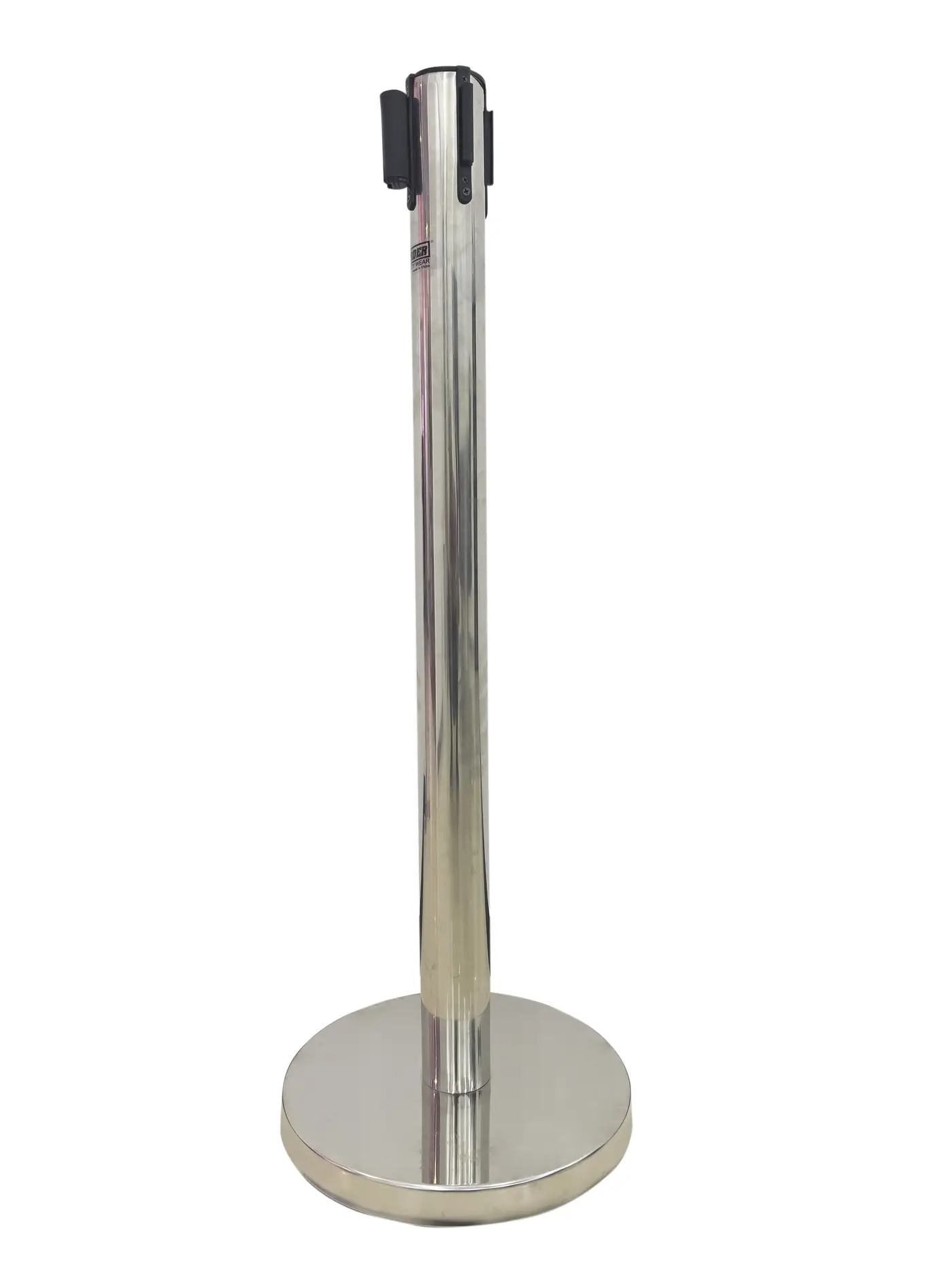
What is the PLASTIC FLEXIBLE BOLLARD | 80CM used for?
It is used for traffic management and road safety applications where a visible physical marker is needed. The flexible bollard format suits guidance and separation in work areas and traffic zones.
What makes this Topsafe Plastic Flexible Bollard different?
This variant is the 80cm size and is identified by product code TPFB 1628. It is supplied under the Topsafe brand and comes in a flexible bollard format.
Is the Topsafe Plastic Flexible Bollard 80cm suitable for site control?
Yes, it is intended for use where controlled guidance or separation is needed in work areas and traffic zones. It is designed for traffic management and road safety use.
What construction or material details are available for this bollard?
The product is described as a flexible bollard, but no further construction, material or colour details are provided. The confirmed specification available is the 80cm size.
Can I request a quote for bulk orders of this bollard?
Yes, bulk and corporate orders are available from Border PPE Trading LLC. You can request a quote through the product page or contact the sales team directly for purchasing support.
What size traffic cone do I need for road works?
Cones of 45 to 50 cm suit car parks, warehouses and low-speed internal roads. Cones of 70 to 75 cm are the usual choice for site roads and urban road works, and 100 cm cones are used on faster roads, long tapers and at night. Your approved traffic management plan has the final say on public roads.
How far apart should traffic cones be placed?
Spacing depends on the speed limit, the type of closure and the part of the layout (taper or straight run), and it is set in the traffic management plan and the road authority's work zone manual. Tapers use closer spacing than the straight run, and spacing is usually reduced at night or in poor visibility.
What is the difference between traffic cones, bollards and barriers?
Cones are portable markers for guiding traffic and showing a hazard. Bollards and traffic posts mark lanes or edges for longer periods, and flexible bollards recover after being hit. Barriers such as folding barricades, cone bars and chains physically close off an area to people, but plastic barriers are not built to stop vehicles.
Are reflective cones necessary for night work?
Yes, cones used at night or in low light should carry reflective collars or tape so they show up in vehicle headlights. Many sites also add solar or battery barricade lights on cones and barriers. Replace cones when the reflective band is faded, scratched or dirty.
Do solar traffic lights work well in the UAE?
Solar barricade lights get plenty of daylight to recharge in the UAE, which makes them practical for long-running road works. Dust and sand on the panel reduce charging, so wipe panels during routine site checks and check the lights at dusk.
Where are rubber speed humps and cable protectors used?
Modular rubber speed humps are used to slow vehicles in car parks, schools, private roads and industrial yards, and can be moved if the layout changes. Cable protectors cover cables and hoses that cross vehicle or pedestrian routes, which protects the cables and reduces trip hazards.

 Tap to enlarge