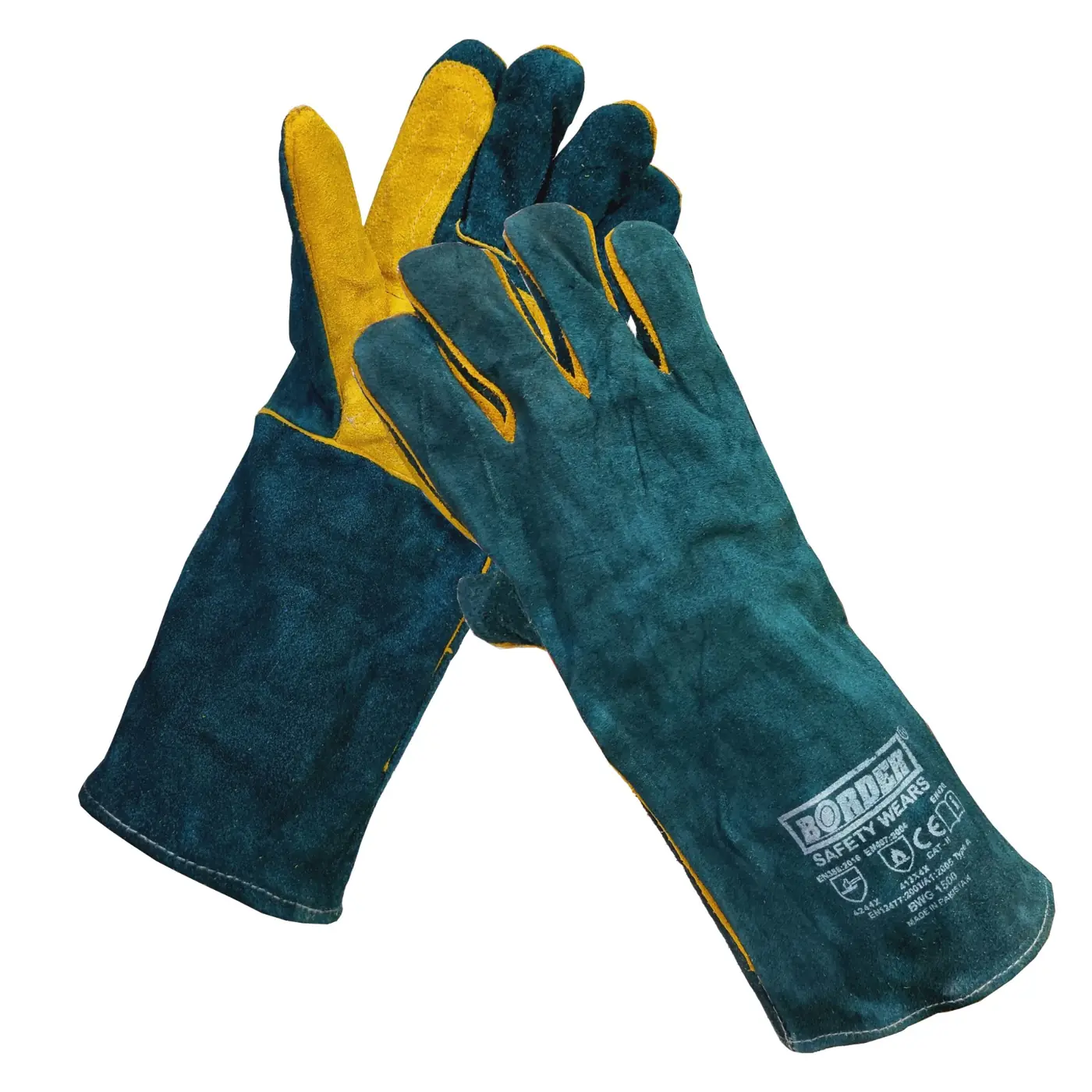
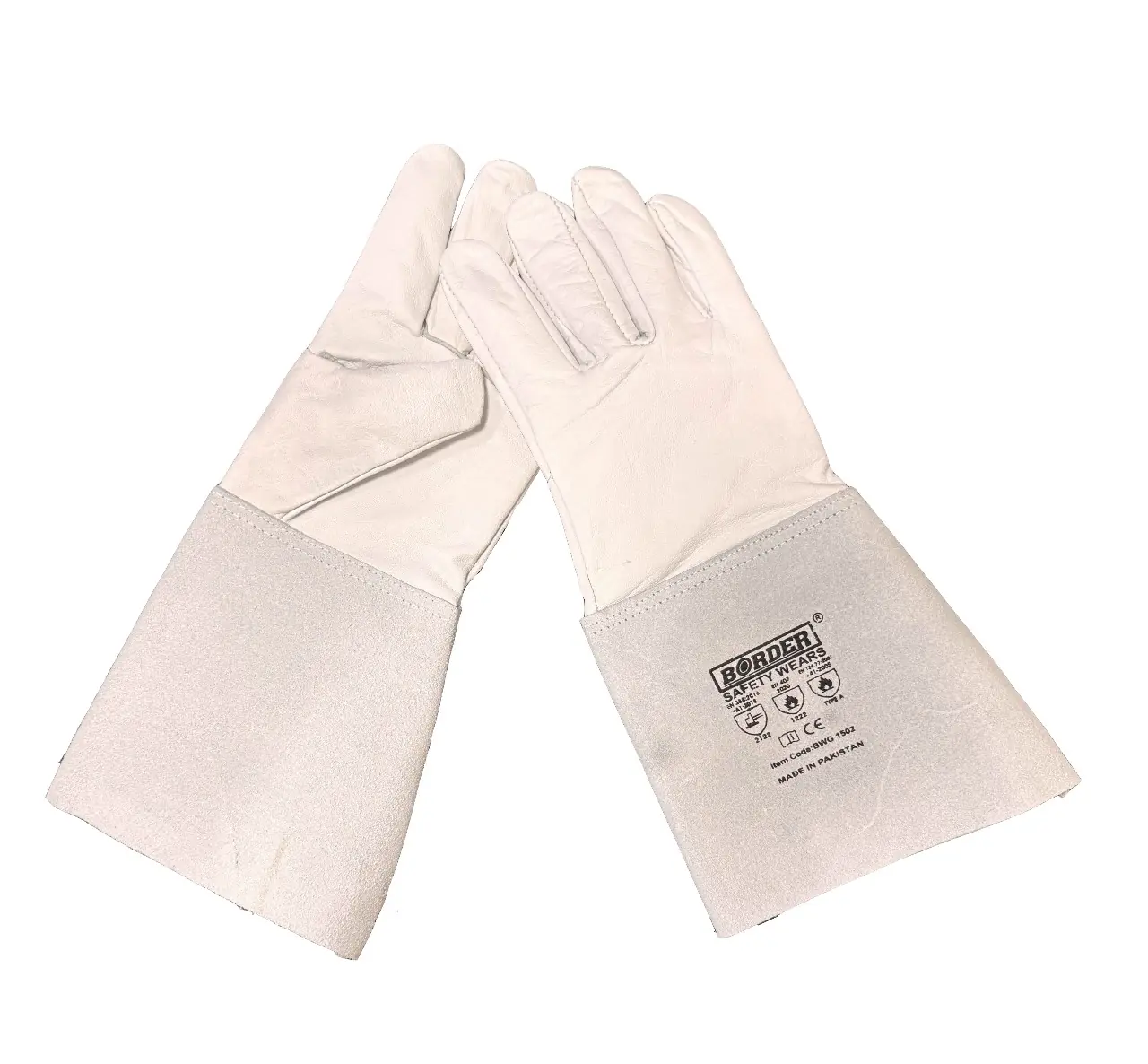
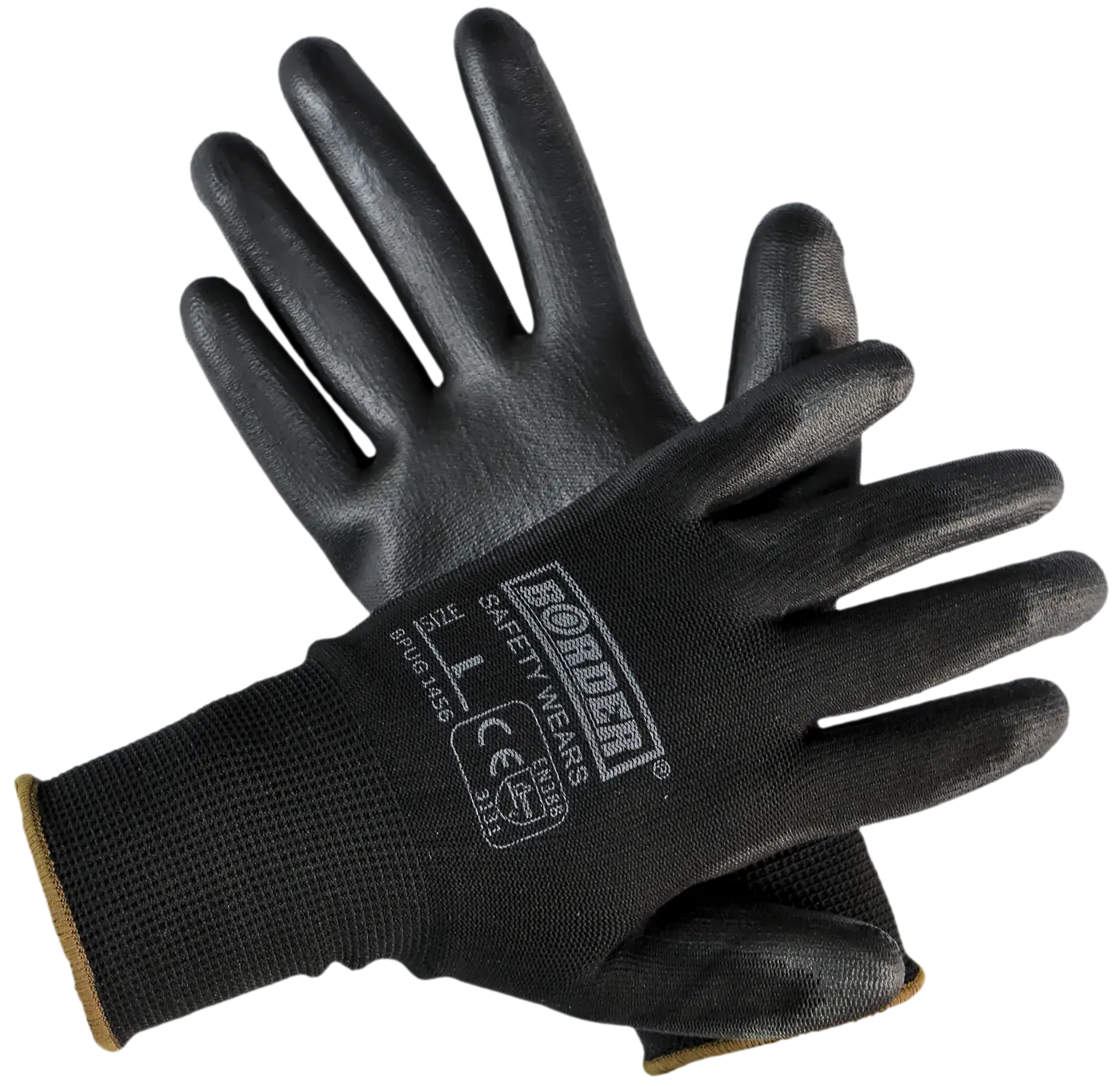
What is the Border Heavy Duty Red Welding Gloves Without Pipin BWG 1503 used for?
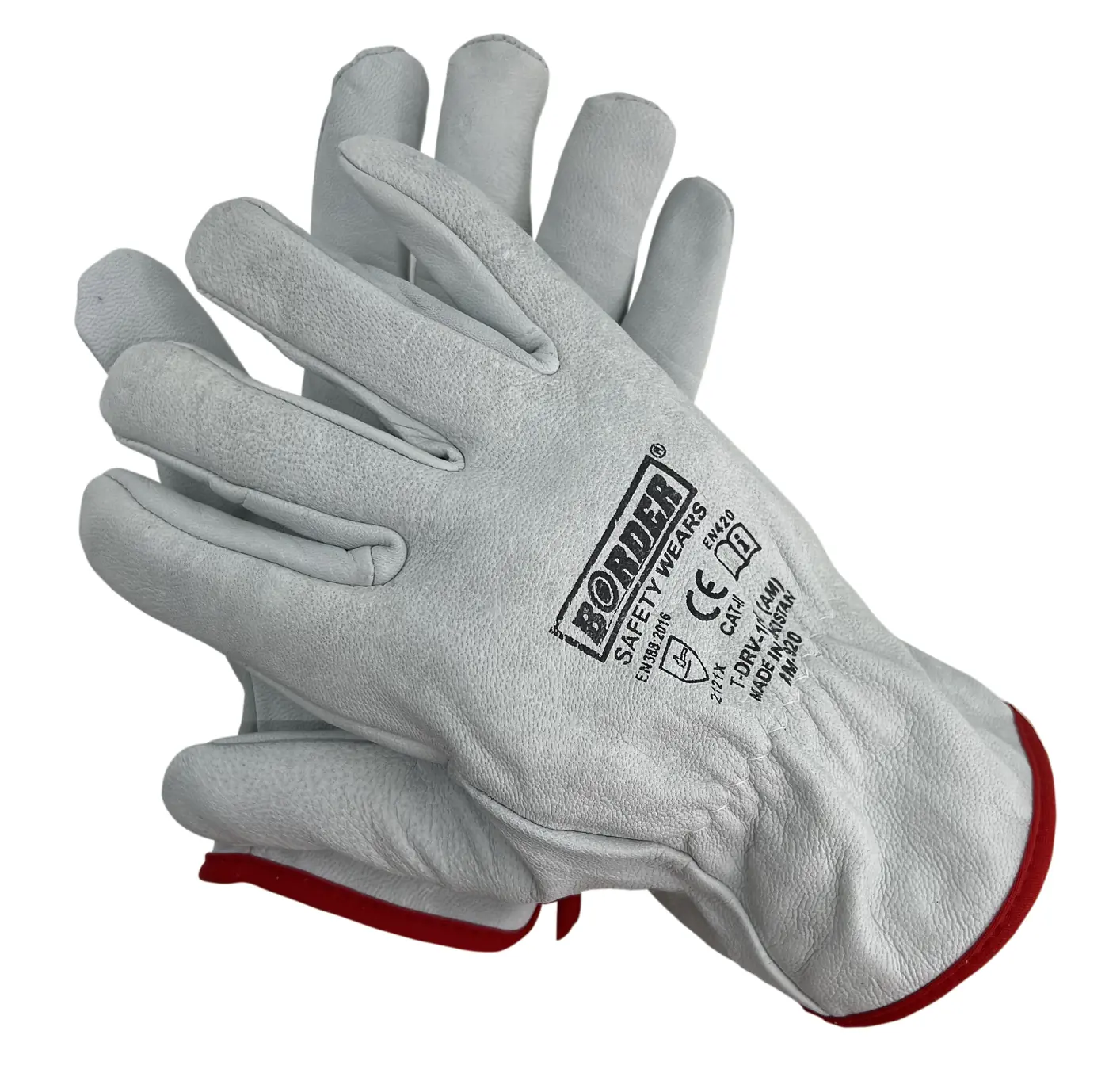
It is designed for industrial welding tasks and general hand protection during welding-related work. The glove is positioned for buyers who need a straightforward welding glove specification without pipin.
What makes this BWG 1503 welding glove variant different?
This variant is identified by its red finish and without pipin design. The product code BWG 1503 also helps procurement teams match the exact glove quickly.
Is the Border Heavy Duty Red Welding Gloves Without Pipin suitable for procurement and repeat orders?
Yes. The clear product name, Border brand and product code BWG 1503 make it easy to match in catalogues and reorder for ongoing site requirements.
Are there any sizes, materials or standards listed for this welding glove?
No sizes, materials or standards are listed for this product. The confirmed details are that it is a heavy duty red welding glove without pipin under the Border brand.
Can I request bulk or corporate orders for this product?
Yes. Border PPE Trading LLC supports bulk and corporate orders, and buyers can request a quote using the Request Quote button on the product page or contact the sales team directly.
What do the numbers on EN 388 gloves mean?
EN 388:2016 gives four digits and a letter. The digits are abrasion (0 to 4), coupe cut (0 to 5), tear (0 to 4) and puncture (0 to 4), and the letter is the ISO 13997 cut level from A to F. An X means that property was not tested, and a P at the end means the glove passed the impact test.
Is cut level 5 the same as cut level F?
No. Level 5 is the top of the older coupe test scale, which is the second digit in the EN 388 code. Level F is the top of the ISO 13997 scale, shown as the letter, and means the material resisted at least 30 newtons. The two tests work differently, so compare gloves using the letter where it is given.
What cut level do I need?
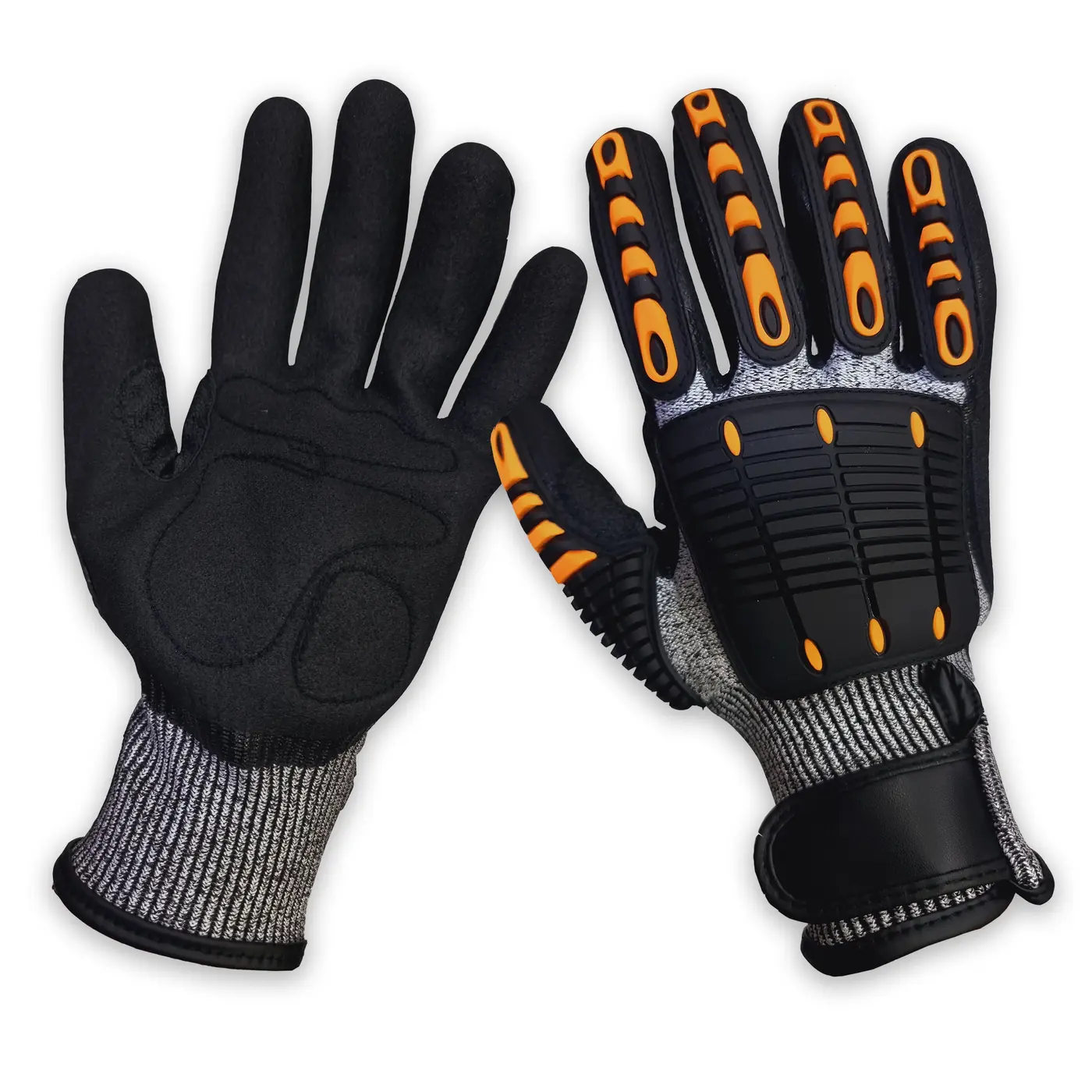
Your risk assessment decides, but as a rough guide general handling and packing need little cut resistance, while sheet metal, glass and sharp-edged steel generally call for level C or higher. Look at the ISO 13997 letter rather than the coupe digit when comparing cut gloves.
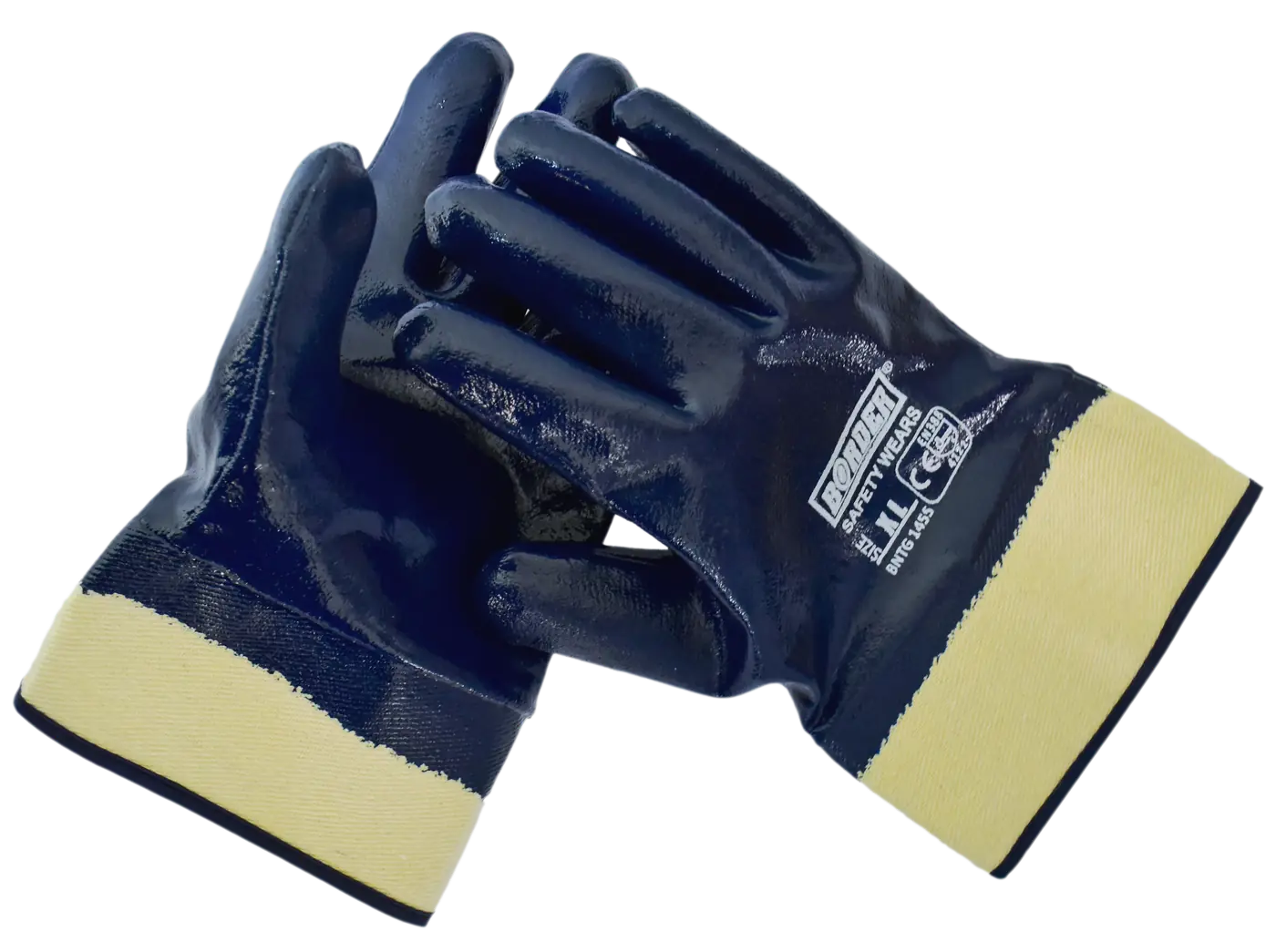
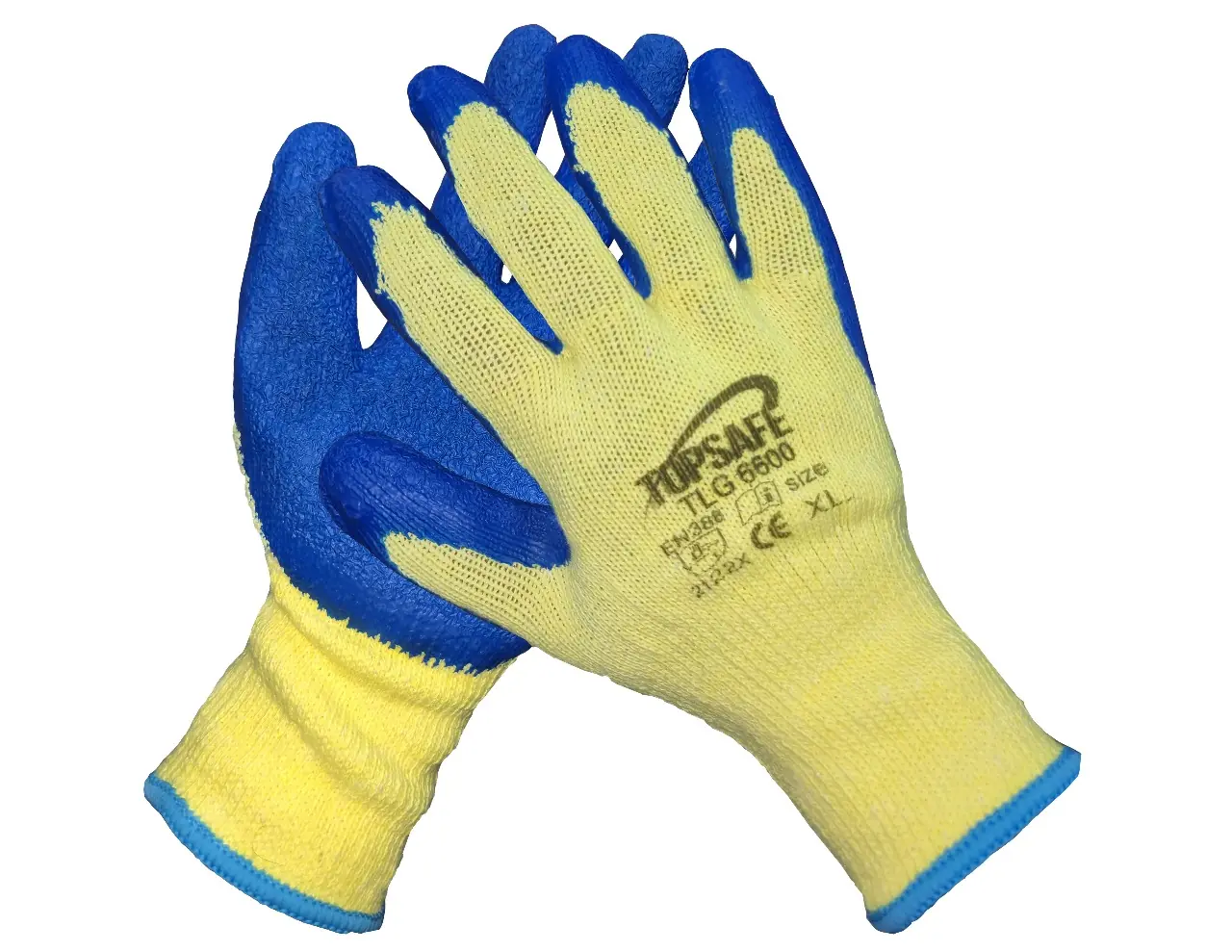
Nitrile or latex coated gloves: which should I choose?
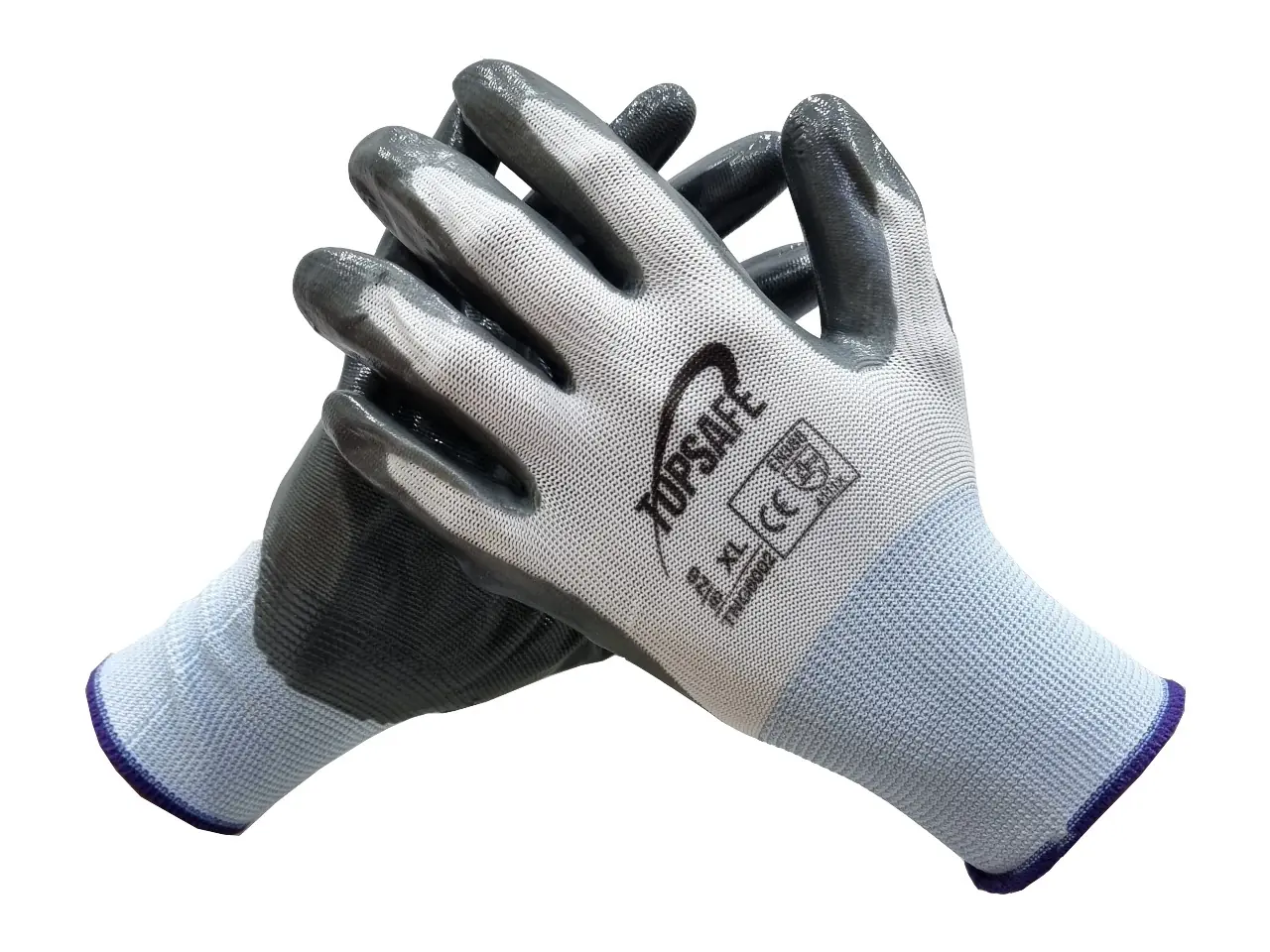
Nitrile coatings hold up well against oil and grease, so they suit maintenance, mechanical and automotive work. Latex coatings are flexible and give strong grip on rough materials such as blocks and timber. Some people are sensitive to natural rubber latex, so nitrile or PU is the safer choice for mixed crews.
Are EN 388 gloves suitable for chemical handling?
Not on the strength of EN 388 alone, as it covers mechanical risks only. Chemical protection is tested under EN ISO 374, so check for that marking and the chemicals listed before using any glove with solvents, acids or alkalis.
Can you supply safety gloves in bulk across the UAE and GCC?
Yes. We supply bulk and repeat glove orders with delivery within 24 hours across the UAE, and ship to Saudi Arabia, Qatar, Oman, Kuwait and Bahrain. Corporate accounts and volume pricing are available, and quotes can be requested through the Add to quote button or WhatsApp.
 Tap to enlarge