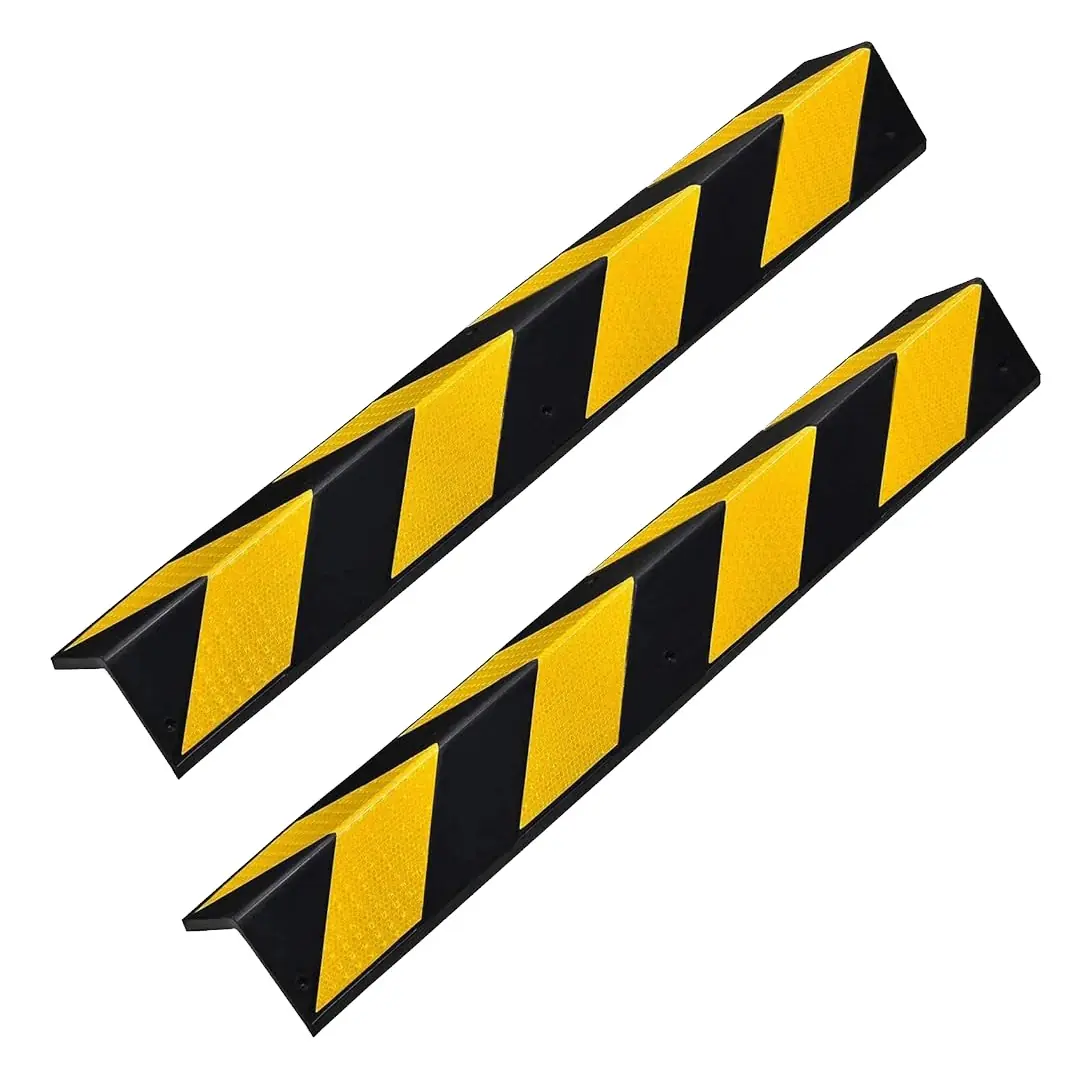
What is Border End Cap BSH 2326 used for?
Border End Cap BSH 2326 is used as the end cap component for a modular heavy-duty rubber speed hump system. It is designed for parking areas, schools and private roads where controlled vehicle movement is required.
How does the End Cap BSH 2326 fit into a speed hump system?
This product is the finishing piece for the ends of the hump section. The end cap measures 17 × 35 × 5 cm, while the matching speed hump section measures 100 × 35 × 5 cm.
What colours are available for Border End Cap BSH 2326?
Border End Cap BSH 2326 is available in Yellow & Black. This colour combination gives the installed traffic safety product clear visual identification on site.
Is End Cap BSH 2326 suitable for schools and parking areas?
Yes, this traffic safety road product is intended for parking areas, schools and private roads. It is suitable where a modular speed hump system is needed to support vehicle speed control.
Can I request a bulk quote for Border End Cap BSH 2326?
Yes, bulk and corporate orders are available through Border PPE Trading LLC. You can request a quote from the product page or contact the sales team directly.
What size traffic cone do I need for road works?
Cones of 45 to 50 cm suit car parks, warehouses and low-speed internal roads. Cones of 70 to 75 cm are the usual choice for site roads and urban road works, and 100 cm cones are used on faster roads, long tapers and at night. Your approved traffic management plan has the final say on public roads.
How far apart should traffic cones be placed?
Spacing depends on the speed limit, the type of closure and the part of the layout (taper or straight run), and it is set in the traffic management plan and the road authority's work zone manual. Tapers use closer spacing than the straight run, and spacing is usually reduced at night or in poor visibility.
What is the difference between traffic cones, bollards and barriers?
Cones are portable markers for guiding traffic and showing a hazard. Bollards and traffic posts mark lanes or edges for longer periods, and flexible bollards recover after being hit. Barriers such as folding barricades, cone bars and chains physically close off an area to people, but plastic barriers are not built to stop vehicles.
Are reflective cones necessary for night work?
Yes, cones used at night or in low light should carry reflective collars or tape so they show up in vehicle headlights. Many sites also add solar or battery barricade lights on cones and barriers. Replace cones when the reflective band is faded, scratched or dirty.
Do solar traffic lights work well in the UAE?
Solar barricade lights get plenty of daylight to recharge in the UAE, which makes them practical for long-running road works. Dust and sand on the panel reduce charging, so wipe panels during routine site checks and check the lights at dusk.
Where are rubber speed humps and cable protectors used?
Modular rubber speed humps are used to slow vehicles in car parks, schools, private roads and industrial yards, and can be moved if the layout changes. Cable protectors cover cables and hoses that cross vehicle or pedestrian routes, which protects the cables and reduces trip hazards.


 Tap to enlarge