Workers engaged in many jobs across different industries are regularly exposed to risks of accidents, injuries, and other hazards. One of the most effective ways to prevent such incidents and protect workers is the use of proper personal protective equipment (PPE).
Using the right PPE not only keeps workers safe and healthy but also enhances their productivity and contributes to the overall profitability of the workplace. This blog discusses the benefits of PPE, the different types of PPE, and the common challenges in implementing PPE usage.
4 Reasons to Use Personal Protective Equipment
The following are some key benefits of PPE for both employers and employees:
1. Reduces Workplace Injuries and Exposure to Hazardous Substances
Correct PPE usage can significantly reduce the risk of workplace injuries and illnesses. It helps prevent life-altering mishaps, minor incidents, and other accidents that could otherwise harm workers.
When workers handle hazardous chemicals, proper PPE prevents burns, skin irritation, and other forms of exposure. With fewer incidents, companies spend less on medical expenses, worker compensation claims, and downtime. Thus, PPE not only keeps workers safe but also helps organizations save time and money.
2. Improves Overall Safety Culture
The requirement to wear personal protective equipment should be supported by regular training sessions for workers. These sessions should cover safety topics, hazard recognition, job-related risks, and emergency procedures. Training must be relevant and engaging to maintain employee interest.
Employees should be clearly informed about the standards expected of PPE and encouraged to report any issues with its effectiveness. A blame-free environment should be fostered so workers feel comfortable reporting inefficiencies or defects in their equipment.
3. Assures Compliance With Safety Regulations
In many jurisdictions, it is a legal requirement for employers to provide suitable PPE to their workers. Beyond protecting employees, PPE also ensures regulatory compliance for employers. Supplying appropriate PPE helps businesses avoid fines and penalties from safety authorities and regulatory bodies.
Maintaining compliance also strengthens a company’s reputation and can attract new clients and customers who value a strong safety culture.
4. Increases Employee Morale and Productivity
Personal protective equipment minimizes physical risks associated with various jobs. When companies prioritize PPE, it creates a safer and more positive work environment.
Workers who feel protected and valued tend to show greater loyalty to their employer, which improves overall productivity and employee retention. A safe workplace also leads to fewer sick days and reduced absenteeism, contributing to a stable and efficient workforce.
Types of Personal Protective Equipment: A Quick Overview
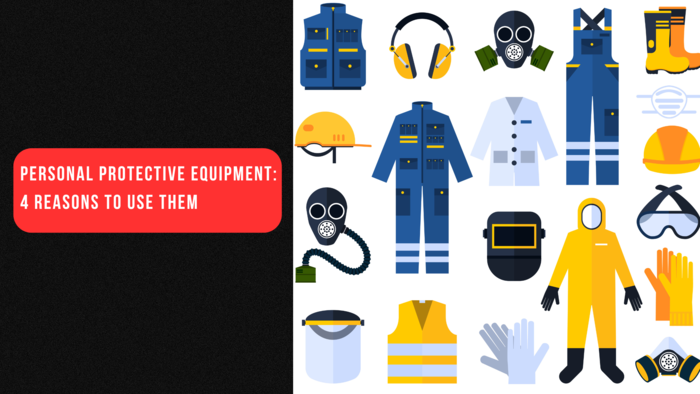
Workers may need different types of personal protective equipment to shield themselves from specific dangers. Some commonly used categories of PPE for workplace safety include:
Head Protection
Protects the head from penetration hazards and impacts.
- Includes helmets, hard hats, and bump caps.
Eye and Face Protection
Protects the eyes and face from chemical splashes, harmful radiation, and flying debris.
- Includes goggles, safety glasses, welding helmets, and face shields.
Hearing Protection
Protects ears from loud noises that could lead to temporary or permanent hearing loss.
- Includes earmuffs and earplugs.
Respiratory Protection
Prevents the inhalation of harmful fumes, dust, gases, and vapors.
- Includes masks and respirators.
Hand and Foot Protection
Protects hands and feet from falling objects, slippery surfaces, electrical hazards, cuts, chemical exposure, punctures, and extreme temperatures.
- Includes protective gloves, boots, safety shoes, and other safety footwear.
Body Protection
Protects the body from extreme weather conditions, hazardous substances, and moving objects.
- Includes aprons, overalls, coveralls, high-visibility clothing, harnesses, and life jackets.
Factors Challenging PPE Usage and Ways to Overcome Them
Ensuring Proper Fit and Comfort
Workers often experience discomfort, fatigue, or irritation when PPE does not fit properly. Ill-fitting PPE can restrict mobility, obscure vision, affect hearing, or cause allergic reactions, especially in humid or hot conditions.
Employers should consult with workers when selecting PPE to ensure it does not interfere with their ability to perform tasks safely. It is important to offer different sizes, styles, and options and, where possible, allow minor customizations. Providing adequate breaks can also reduce discomfort when PPE is worn for long durations.
Addressing Cost Concerns
The cost and availability of PPE can be a significant challenge for many organizations. During pandemics or emergencies, PPE may be scarce or more expensive than usual.
To overcome these challenges, companies should plan ahead by allocating a dedicated PPE budget and exploring bulk purchase options or negotiated discounts with reliable suppliers. Establishing relationships with multiple vendors can also reduce supply risks.
Training Employees to Use PPE Properly
Proper training is essential for employees to wear, adjust, and fit PPE correctly. They must also know how to handle, clean, and store PPE after each use.
Training should be provided using a variety of methods and materials to suit different learning styles. It is equally important to assess understanding, collect feedback, and reinforce learning through regular refresher sessions and updated training modules.
How Border PPE Helps Companies Maintain Workplace Safety
Since 2006, Border PPE Trading LLC Dubai has been committed to delivering high-quality traffic safety products and PPE to major corporates in the UAE, Kingdom of Saudi Arabia, and Qatar.
Our strong understanding of the importance of personal protective equipment in the workplace is matched by our dedication to supplying PPE and safety products that meet global standards of comfort and quality. This approach has helped us earn several loyal customers in sectors such as construction, development, and oil & gas.
Our wide range of safety aids includes:
- Coveralls
- Work suits
- Safety shoes
- Safety gloves
- Safety helmets
- Safety glasses
- Ear safety products
- Traffic safety products
- Safety vests
- Fall protection products
- Fire safety products
Closing Thoughts
Personal protective equipment plays a crucial role in ensuring the safety and health of workers by protecting them from potential hazards. It is the responsibility of employers to partner with a reliable PPE supplier in Dubai and other regions, select the right equipment, and train their staff to use it correctly.
Ultimately, the importance of personal protective equipment in the workplace extends beyond protecting workers. Proper PPE usage also helps employers fulfil their ethical and legal obligations, maintain compliance with regulations, and build a sustainable, safety-focused work culture.


